What Makes a Home Timeless? A Nashville Perspective
Morrell Property Collective August 13, 2026
MPC Expertise
Morrell Property Collective August 13, 2026
MPC Expertise
Every few years, a design trend arrives promising to be the new standard — all-white kitchens, barn doors, a single accent wall in a color that already feels dated by the time the paint dries. Meanwhile, a handful of neighborhoods in Nashville have homes built a century ago that still show beautifully, command strong prices, and never seem to need a "refresh" to stay relevant.
That contrast is worth paying attention to, whether you're touring homes with resale in mind or planning a renovation you don't want to redo in a decade. Timelessness isn't about avoiding style altogether — it's a specific, learnable set of choices about proportion, restraint, and material quality that happen to outlast whatever's trending.
This post breaks down what actually makes a home timeless, using some of Nashville's oldest and most enduring architecture — particularly in Belle Meade and Franklin — as the proof.
Key takeaways:
Long before "timeless" became a design buzzword, classical architecture had already worked out why certain buildings feel right regardless of era: a systematic set of proportions — the relationship between a window's height and width, or a room's length to its width — creates visual harmony that doesn't depend on decoration or trend. Georgian architecture, which shaped much of early American residential design, leaned on exactly this: symmetry and mathematical ratios borrowed from classical Greek and Roman precedent, applied even to modest homes built in wood rather than stone.
The practical takeaway: a well-proportioned room with dated finishes is a cosmetic fix. A poorly proportioned room with beautiful finishes is a much harder problem — no amount of styling corrects for scale that feels wrong.
One consistent thread across enduring architectural styles is restraint. Georgian design, for instance, is typically "restrained, and sometimes almost completely absent" in exterior ornament — the elegance comes from proportion and material, not decoration piled on top. That's the opposite instinct from most trend-driven renovations, which tend to reach for a bold, of-the-moment statement that reads as fresh today and dated within a few years.
This doesn't mean a timeless home is a boring home. It means the boldest choices tend to be structural or material — a floor plan, a ceiling height, a genuinely well-chosen stone — rather than a finish that could just as easily be replaced next season.
Trend-driven materials are often chosen because they look new. Timeless materials are chosen because they look better after decades of use — original hardwood that develops a deeper patina, natural stone, plaster, real masonry. These materials don't just resist becoming dated; they visibly improve with age in a way that manufactured, trend-driven finishes typically can't replicate.
This is part of why older homes with original materials intact often command a premium over newer construction with comparable square footage — the materials themselves are doing work that can't be bought new.
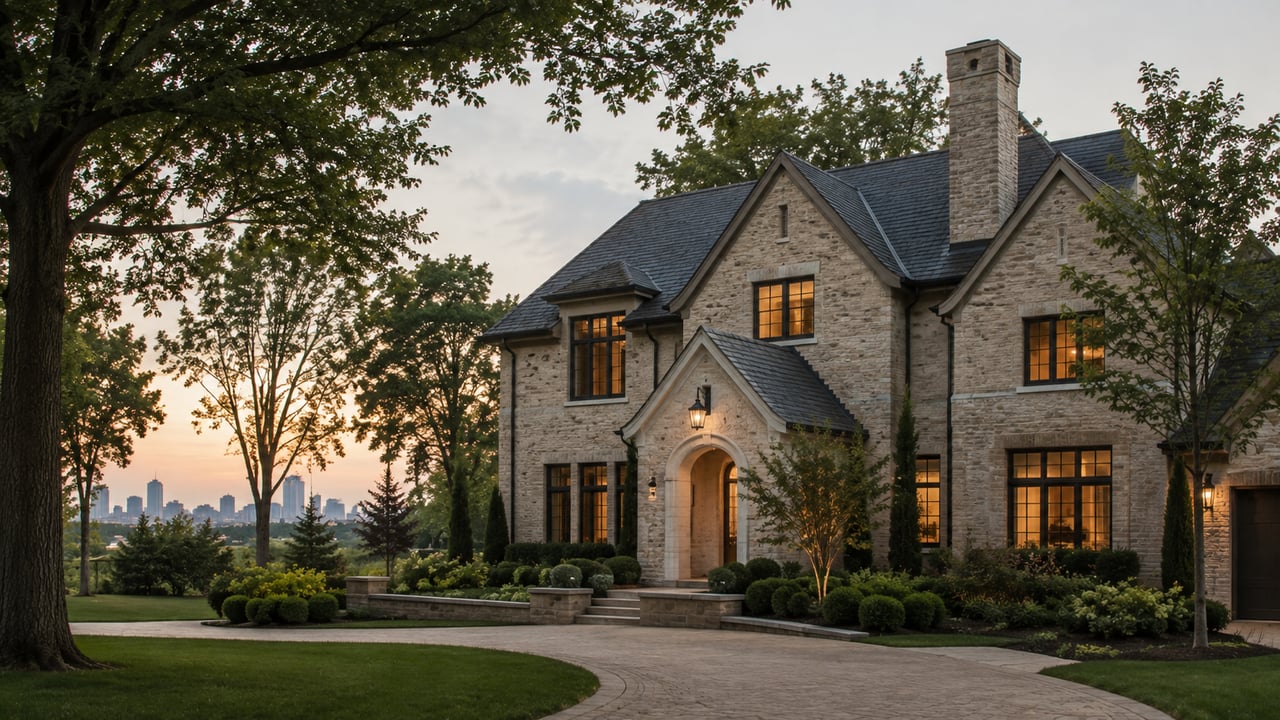
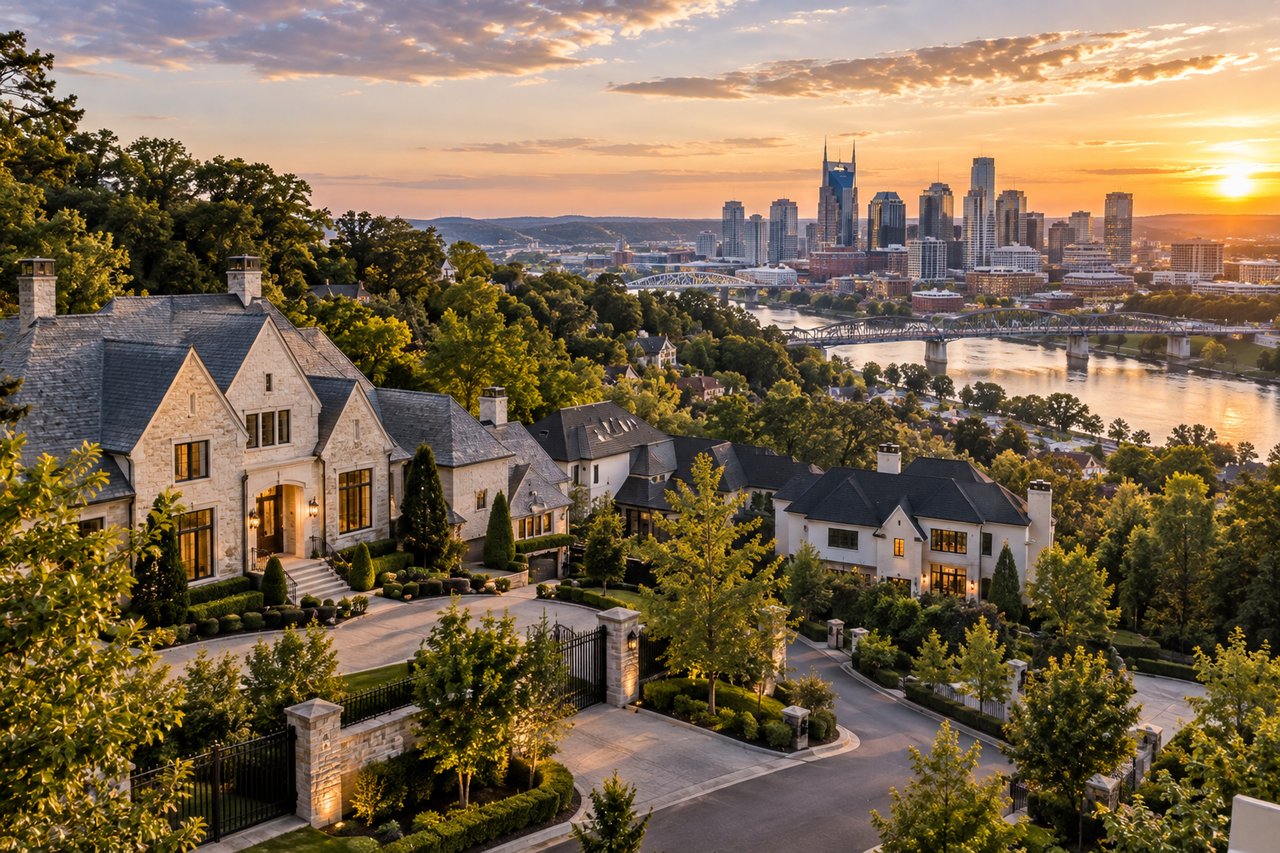
Belle Meade offers a clear example. Many of its homes have been listed on the National Register of Historic Places since July 2004, and the neighborhood's development — including a "garden suburb" layout designed by landscape architect O.C. Simonds in the 1910s — was built around proportion and restraint rather than passing style. A century later, it's still one of the most sought-after addresses in the state.
Franklin tells a similar story at a broader scale: the city maintains five historic districts on the National Register, protected by city ordinance, alongside landmark structures like the Carter House and Carnton. Franklin has also shown that timeless design isn't only about preservation — the restored Dortch Stove Works factory, now home to offices, restaurants, and retail, is considered a model of adaptive reuse, proving that good bones from any era can be given new purpose without losing what made them work in the first place.
It's worth separating two ideas that often get conflated: "timeless" and "traditional." A traditional home follows a specific historical style — Georgian, Greek Revival, Federal. A timeless home simply follows the underlying principles that made those styles endure: proportion, restraint, and quality materials. A well-designed contemporary home can be just as timeless as a historic one if it applies those same principles instead of chasing a current look.
Traditional design follows a specific historical style, like Georgian or Greek Revival. Timeless design follows the underlying principles that made those styles endure — proportion, restraint, and quality materials — and can apply just as well to a well-designed contemporary home.
Homes in neighborhoods like Belle Meade were built on proportion, restraint, and materials that improve with age rather than trend-driven finishes. Many are recognized on the National Register of Historic Places, and that combination of design discipline and preservation continues to support strong, lasting value.
Can a modern home be timeless, or does it have to be historic? A modern home can absolutely be timeless if it's built on strong proportion, restraint, and quality materials rather than current trends — timelessness is a set of principles, not a specific era or style.
What renovation choices are safest for long-term value? Structural and material decisions — layout, ceiling height, genuine stone or wood — tend to hold value best, while easily replaced finishes like paint colors or hardware are lower-risk places to experiment with trends.
Is timeless design more expensive than trend-driven design? Not necessarily upfront, but it tends to cost less over time, since quality materials and good proportion don't need to be redone every time a trend passes, unlike surface-level trend choices.
Does buying an older home mean sacrificing modern comfort? Not in practice — many owners update systems and layouts while preserving the proportion and materials that make the home feel timeless, which is exactly what adaptive projects like Franklin's Dortch Stove Works demonstrate on a larger scale.
Why work with an agent who understands both historic and new construction? Evaluating whether a property's "bones" are genuinely timeless — versus simply old — takes an eye trained on both historic architecture and current construction quality, which shapes both what you pay and what you can expect to hold.
Trends will keep cycling through — that's what makes them trends. What makes a home timeless is simpler and harder to fake: proportion, restraint, and materials built to age well. Nashville's own oldest neighborhoods have been proving that for over a century.
If you're evaluating a home's design for lasting value — or planning a renovation you want to still love in twenty years — Morrell Property Collective is glad to help you think it through. Reach out at (615) 593-3103.
Featured Listing
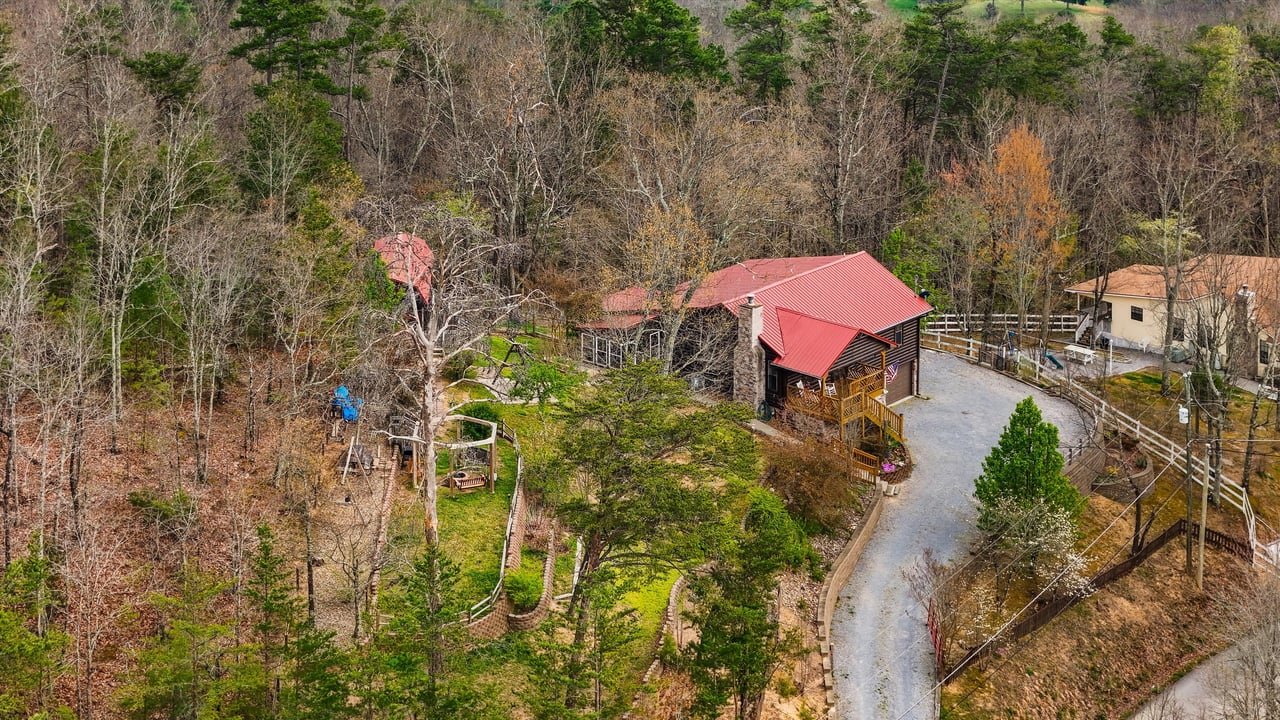
A furnished, proven Airbnb cabin with mountain views, priced at $525,000
Featured Listing
Why Old Hickory Lake's south shore is drawing buyers who want lake life without leaving Nashville behind
Neighborhood
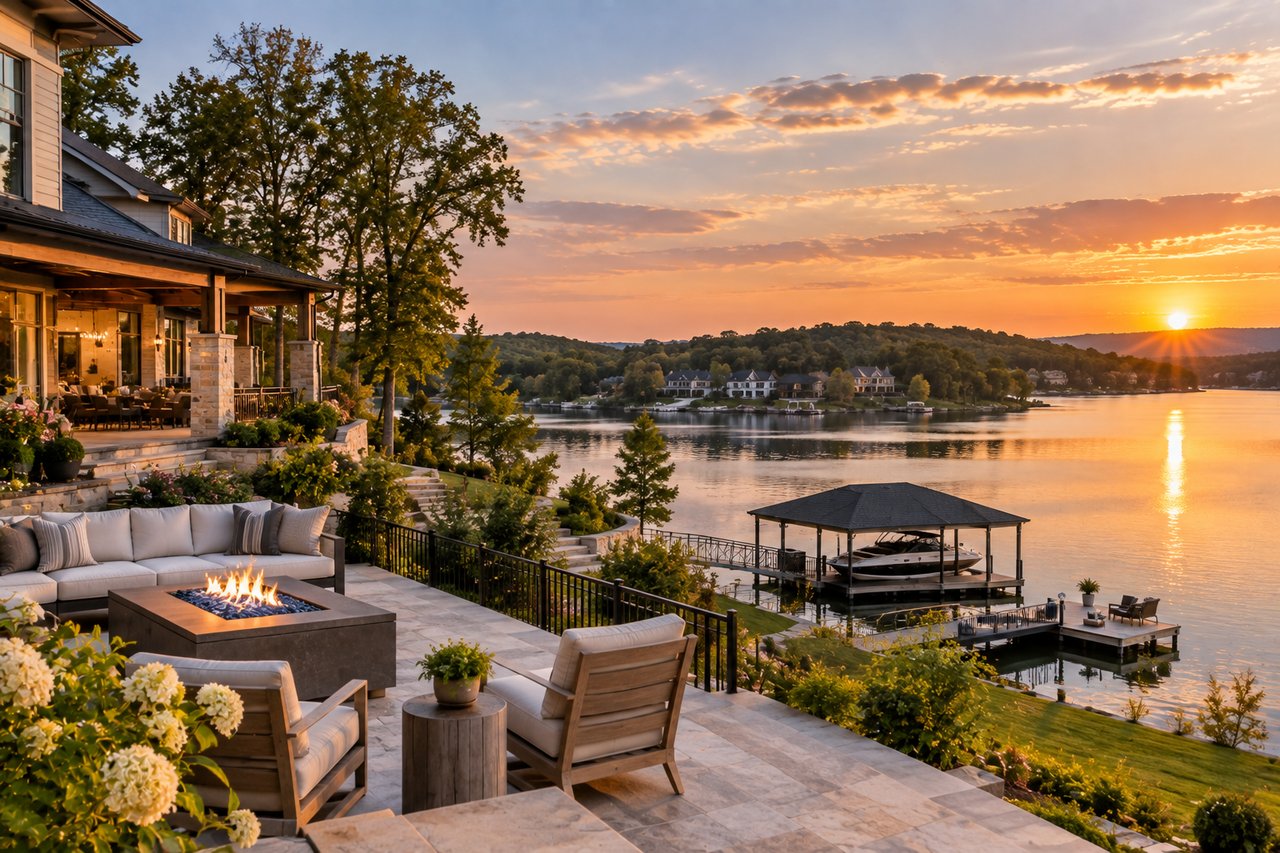
Why Old Hickory Lake's south shore is drawing buyers who want lake life without leaving Nashville behind
Featured Listing
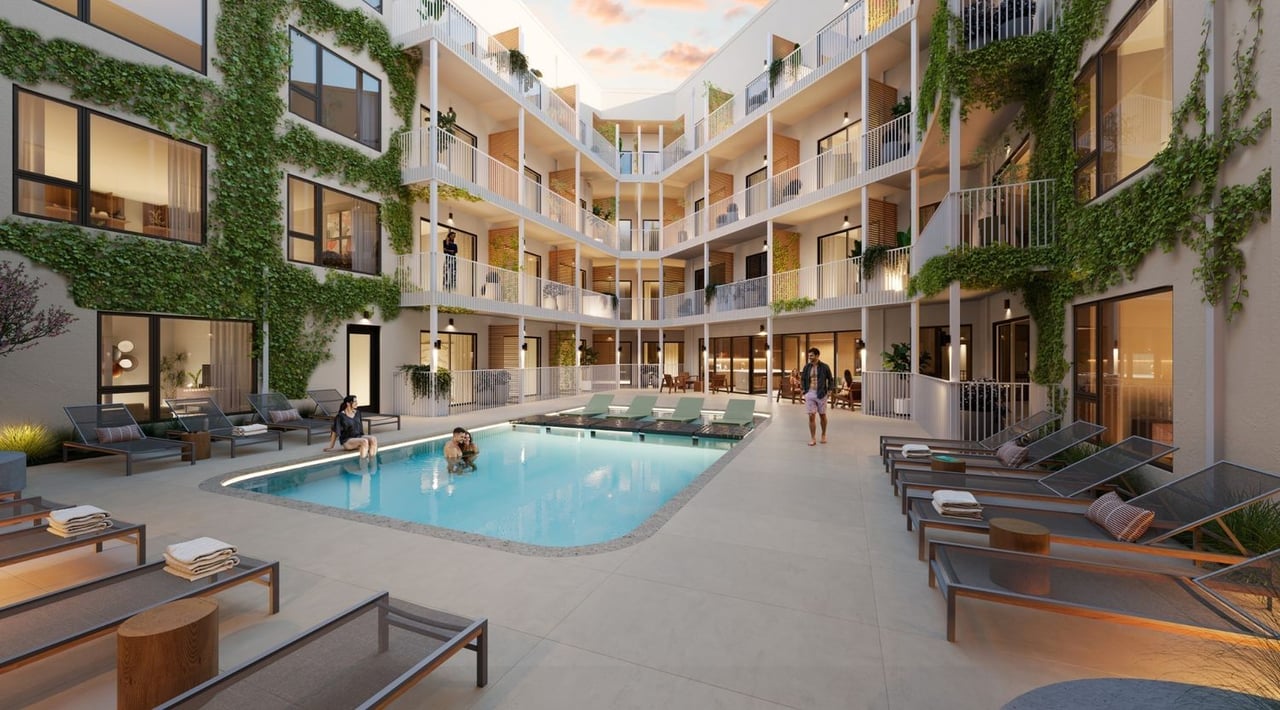
Inside The Modernest WeHo's current lineup, from a $309,900 studio to a $1.3 million three-bedroom
Buyers
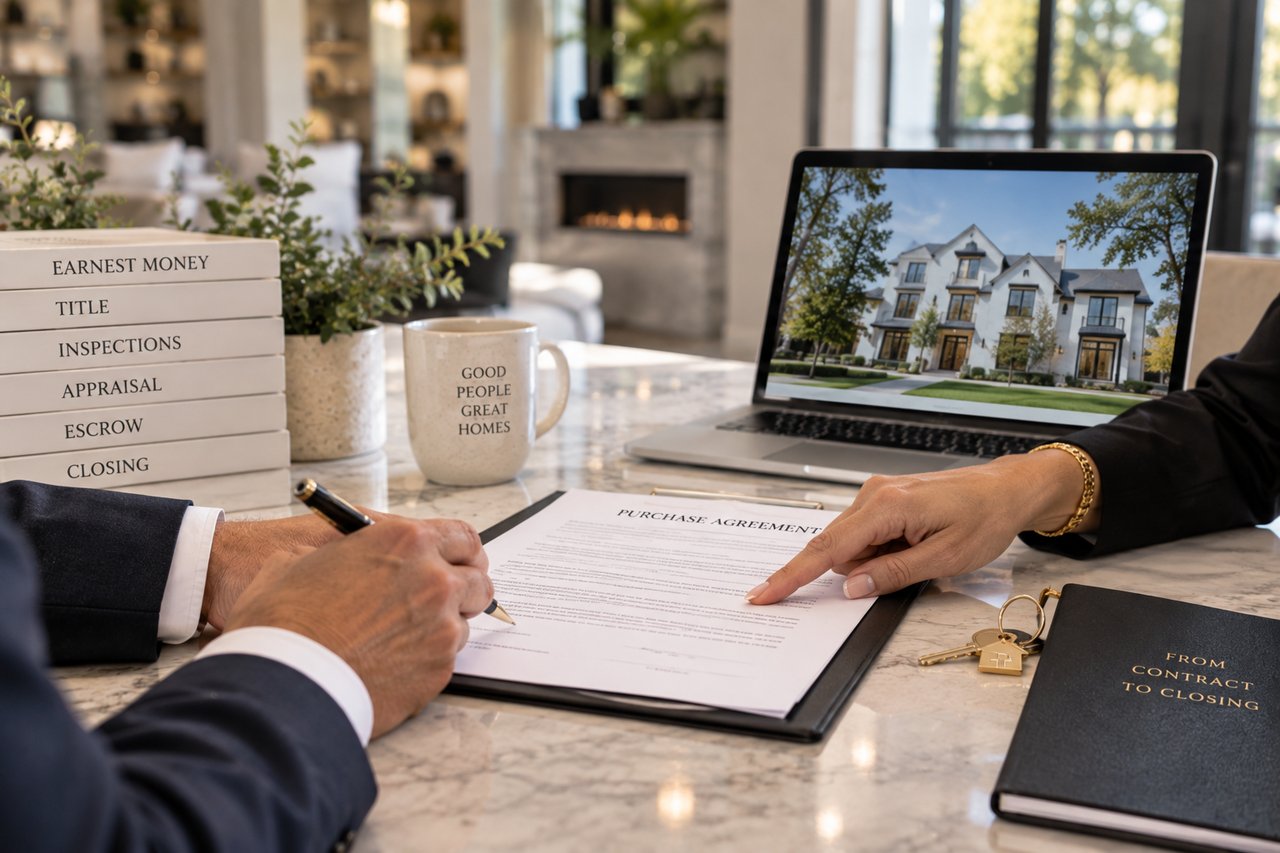
A step-by-step look at the weeks between a signed Tennessee contract and closing day
Featured Listing
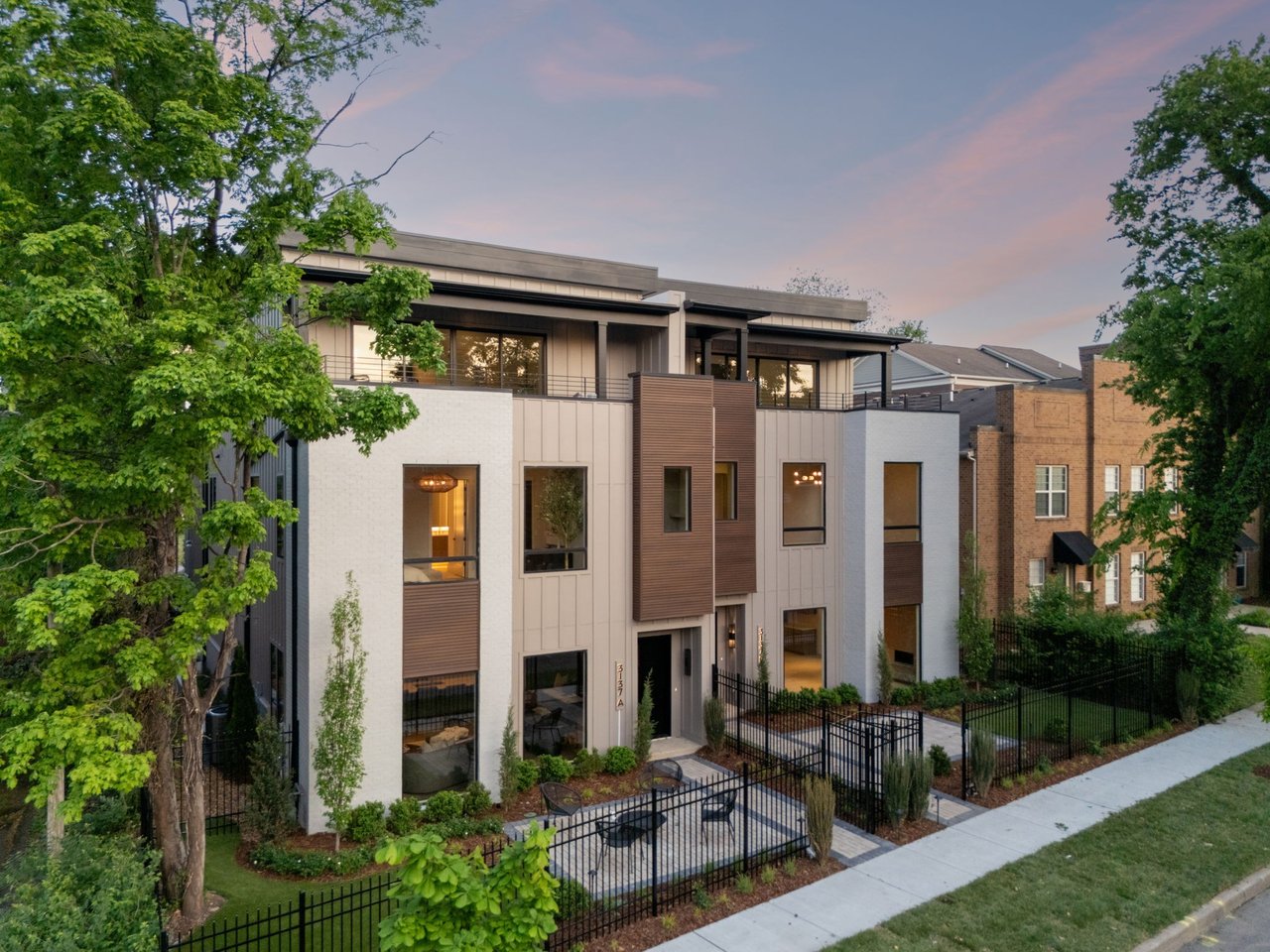
Two mirror-image luxury homes steps from Vanderbilt, Centennial Park, and West End's best dining
MPC Expertise
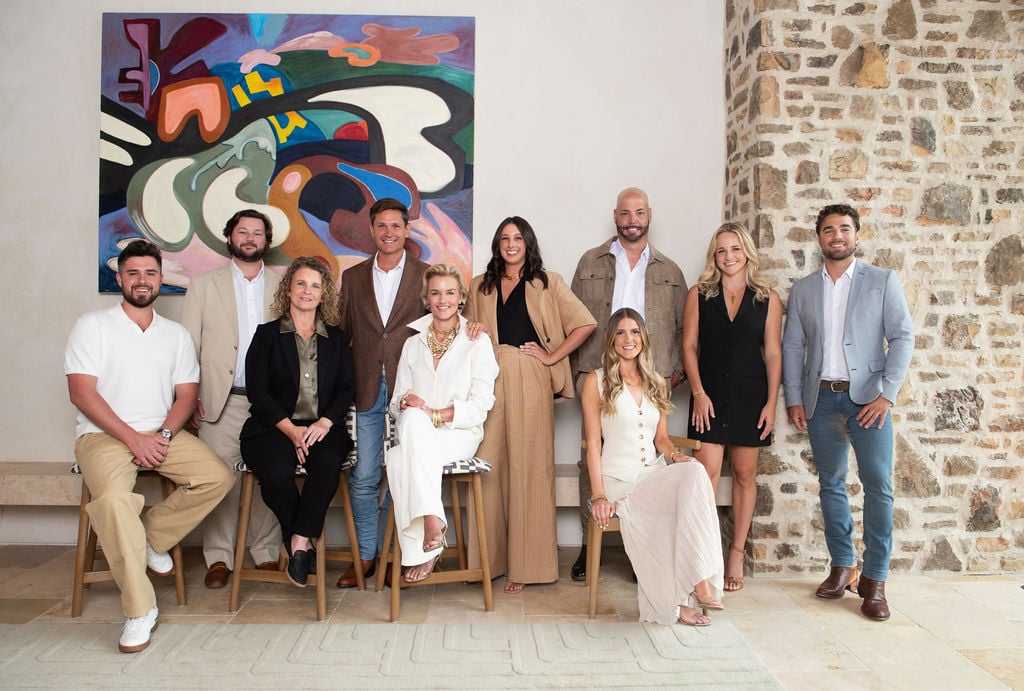
The licensed brokers, operations, and marketing team behind every transaction
Neighborhood
Where home values concentrate across Music City, from Green Hills to Berry Hill

Real Estate Market
What the September rate increase and today's mortgage rates mean for luxury buyers
The client deserves the full service and attention that only a team of experts can consistently provide. Working with us, you will have the personal attention traditionally associated with the client-agent relationship improved by the professionalism and consistency of a thoughtful business model. And yes, superior results will follow!
MORRELL PROPERTY COLLECTIVE
(615) 593-3103
[email protected]
ADDRESS
3990 Hillsboro Pike, #320
Nashville, TN 37215