Vacation Home vs. Investment Property: Which One Are You Actually Buying?
Morrell Property Collective August 12, 2026
Buyers

Morrell Property Collective August 12, 2026
Buyers
A lot of buyers use "vacation home" and "investment property" interchangeably. Lenders, the IRS, and local zoning ordinances don't. The category you fall into determines the interest rate you'll be offered, how the property is taxed, and — depending on where in Tennessee you're buying — whether you can legally rent it out at all.
That distinction plays out very differently depending on the market. In Nashville, short-term rental rules have gotten considerably stricter over the past several years, especially for non-owner-occupied properties in residential neighborhoods. In the Smokies — Sevier County communities like Gatlinburg, Pigeon Forge, and Sevierville — the opposite is true: entire neighborhoods are zoned and built around vacation rental income, with an established management infrastructure to support it.
This post breaks down what actually separates the two categories, how financing and taxes differ between them, and what that means practically whether you're eyeing a getaway near Nashville or a cabin near the national park.
The core difference isn't the property itself — it's how you use it. A vacation home is one you occupy personally for a meaningful part of the year, even if you rent it out occasionally. An investment property is one held primarily to generate rental income, with the owner's personal use being minimal or nonexistent.
The IRS draws this line with a personal-use test: if you use the home yourself for more than 14 days a year (or more than 10% of the days it's rented, whichever is greater), it's treated as a personal residence for tax purposes, with rental deductions limited. Cross below that threshold, and it's treated as a rental property, with fuller ability to deduct expenses against rental income. Your mortgage doesn't decide this — your actual usage pattern does.
Second-home and investment-property loans are underwritten differently because they carry different risk profiles. Second-home mortgages generally require the borrower to personally occupy the property for part of the year and typically restrict putting it into a rental pool or handing it to a property manager as a full-time rental. Investment-property loans assume the home is a business asset generating rental income, and lenders price that added risk in with higher down payment requirements and higher interest rates than a comparable second-home loan.
Telling your lender the true intended use matters — occupancy fraud on a mortgage application is a real legal exposure, not just a technicality.
Metro Nashville distinguishes between owner-occupied and non-owner-occupied short-term rental permits, and non-owner-occupied rentals face significantly more restriction in residential zones than owner-occupied ones. If your plan for a Nashville-area property depends on operating it as a full-time, non-owner-occupied short-term rental, that plan needs to be checked against current Metro permitting rules and the property's zoning before you buy — not after.
That doesn't mean a Nashville-area home can't work as an investment property. Long-term rental, or an owner-occupied arrangement where you live there part-time and rent the rest, both remain workable strategies. It just means the short-term-rental-as-passive-income model that works easily in other markets needs more diligence here.
Sevier County's Gatlinburg, Pigeon Forge, Sevierville, and Wears Valley sit at the doorstep of Great Smoky Mountains National Park, one of the most-visited national parks in the country, and much of the area's housing stock and zoning is built specifically to support vacation rentals. Established property management companies, rental-ready cabin communities, and tourism-driven demand make this one of the more straightforward markets in Tennessee for buying a property with rental income as the primary goal.
The tradeoff is that a cabin bought purely for rental income there is functionally a business asset, with the tax and financing treatment that implies — not a personal getaway with occasional rental upside.
A vacation home is a property you use personally for a meaningful part of the year, with occasional rental income treated as secondary. An investment property is held primarily to generate rental income, with owner use minimal or absent. The IRS and most lenders base the distinction on actual usage patterns, not the buyer's intent alone.
Generally, yes. Investment-property loans typically require a larger down payment and carry a higher interest rate than second-home loans, since lenders view rental-income-dependent properties as higher risk. Some buyers use rental income projections to help qualify, but the underwriting bar is still higher than for a second home you'll occupy yourself.
Can I rent out my vacation home occasionally without it becoming an investment property? Yes, within limits. As long as your personal use stays above the IRS threshold (more than 14 days a year, or more than 10% of rental days), it's still treated as a personal residence for tax purposes, even with some rental income.
Are short-term rentals still allowed in Nashville? Owner-occupied short-term rentals remain more broadly permitted than non-owner-occupied ones, but rules vary by zone and have tightened over time. Confirm the specific property's zoning and permit status with Metro before assuming a rental strategy will work.
Is a cabin in the Smokies a good rental investment? It can be, given the area's established tourism demand and rental infrastructure, but returns depend on the specific property, management costs, and how it's financed. Running the numbers with a local property manager before buying gives a far more accurate picture than a general answer.
What's considered a luxury vacation home in the Nashville or Smokies area? Definitions vary, but luxury vacation properties typically combine premium finishes, standout views or acreage, and a location that supports either strong personal enjoyment or strong rental demand — sometimes both.
Why work with a specialist for a second-home purchase? Vacation home and investment property purchases carry financing, tax, and zoning considerations that a standard primary-residence purchase doesn't. An agent familiar with both the Nashville and Smokies markets can help you match the right property to your actual goals before you're under contract.
Whether a property is a vacation home or an investment property comes down to how you actually use it — and that answer shapes your financing, your taxes, and in some cases whether your rental plans are even legal where you're buying. Nashville and the Smokies sit at opposite ends of that spectrum, which makes getting clear on your goals before you shop even more important.
If you're weighing a second home near Nashville or a rental property in the Smokies and want help matching the right property — and the right financing strategy — to what you actually want from it, Morrell Property Collective is glad to walk through it with you. Reach out anytime at (615) 593-3103.
Featured Listing
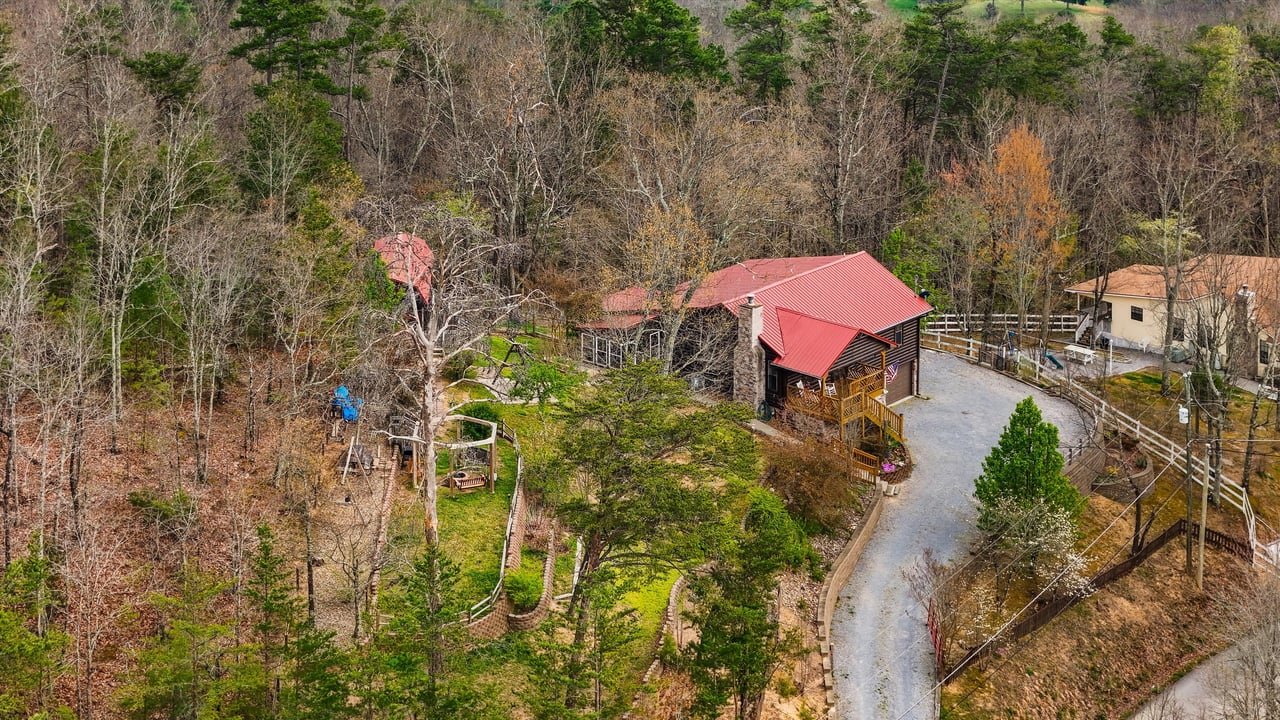
A furnished, proven Airbnb cabin with mountain views, priced at $525,000
Featured Listing
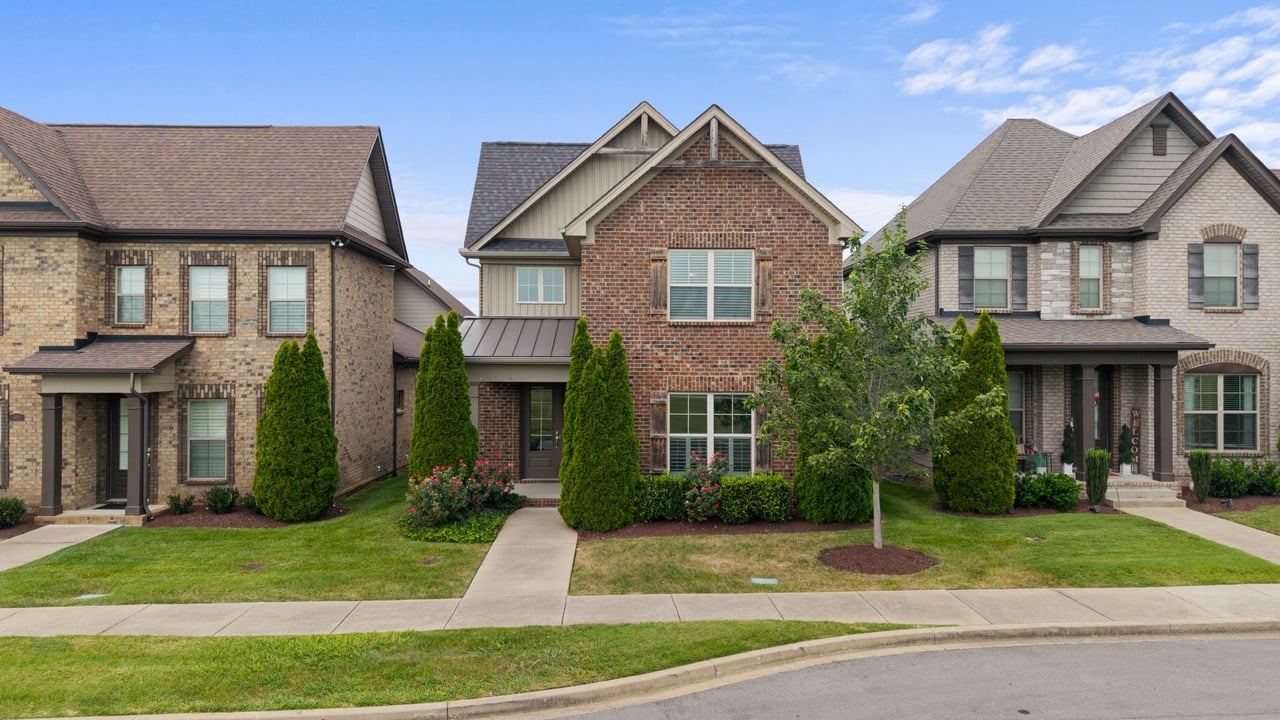
Why Old Hickory Lake's south shore is drawing buyers who want lake life without leaving Nashville behind

Neighborhood
Why Old Hickory Lake's south shore is drawing buyers who want lake life without leaving Nashville behind

Featured Listing
Inside The Modernest WeHo's current lineup, from a $309,900 studio to a $1.3 million three-bedroom

Buyers
A step-by-step look at the weeks between a signed Tennessee contract and closing day
Featured Listing
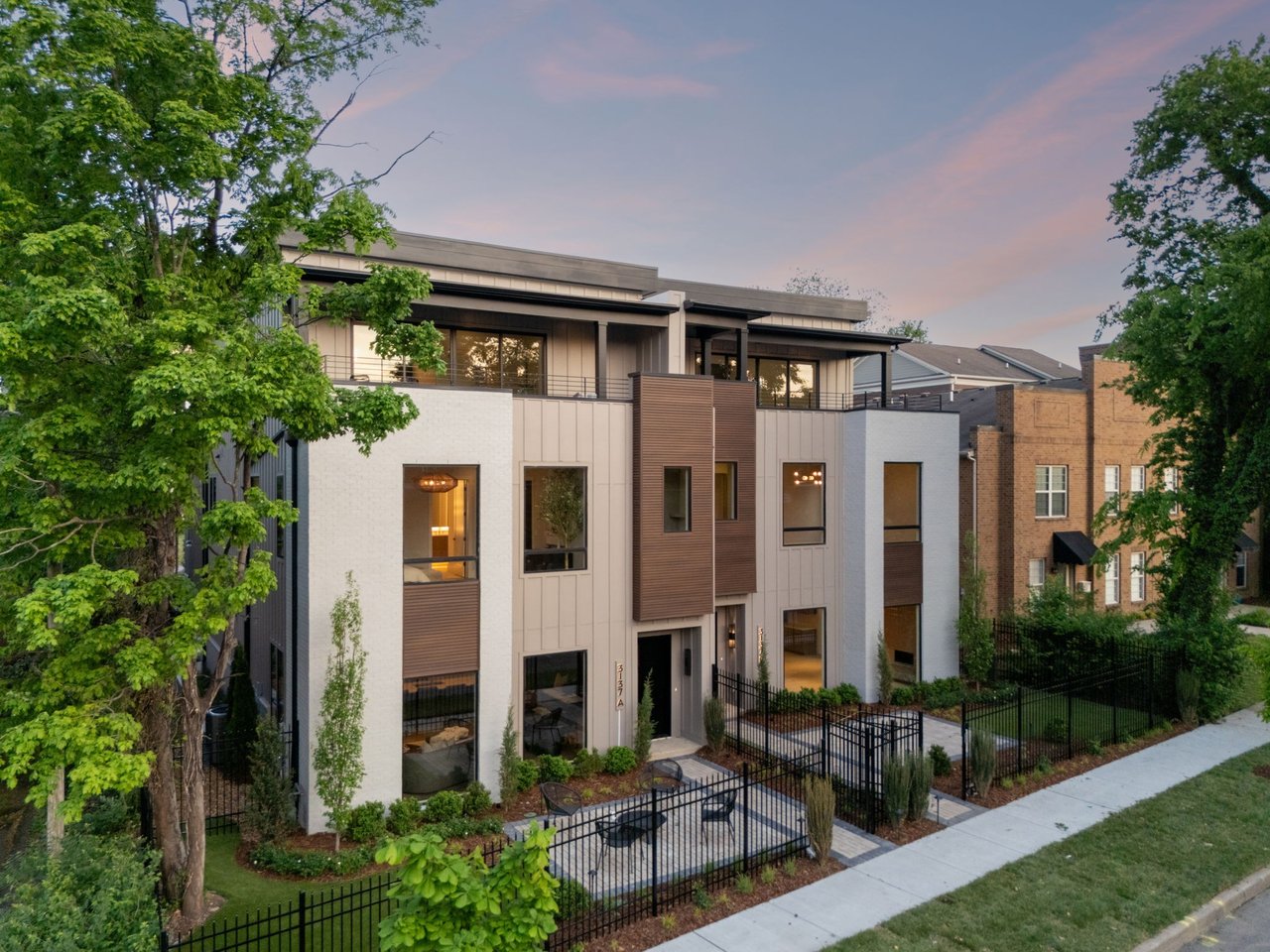
Two mirror-image luxury homes steps from Vanderbilt, Centennial Park, and West End's best dining

MPC Expertise
The licensed brokers, operations, and marketing team behind every transaction

Neighborhood
Where home values concentrate across Music City, from Green Hills to Berry Hill

Real Estate Market
What the September rate increase and today's mortgage rates mean for luxury buyers
The client deserves the full service and attention that only a team of experts can consistently provide. Working with us, you will have the personal attention traditionally associated with the client-agent relationship improved by the professionalism and consistency of a thoughtful business model. And yes, superior results will follow!
MORRELL PROPERTY COLLECTIVE
(615) 593-3103
[email protected]
ADDRESS
3990 Hillsboro Pike, #320
Nashville, TN 37215