The Psychology Behind Luxury Home Buying Decisions
Morrell Property Collective August 10, 2026
Buyers
Morrell Property Collective August 10, 2026
Buyers
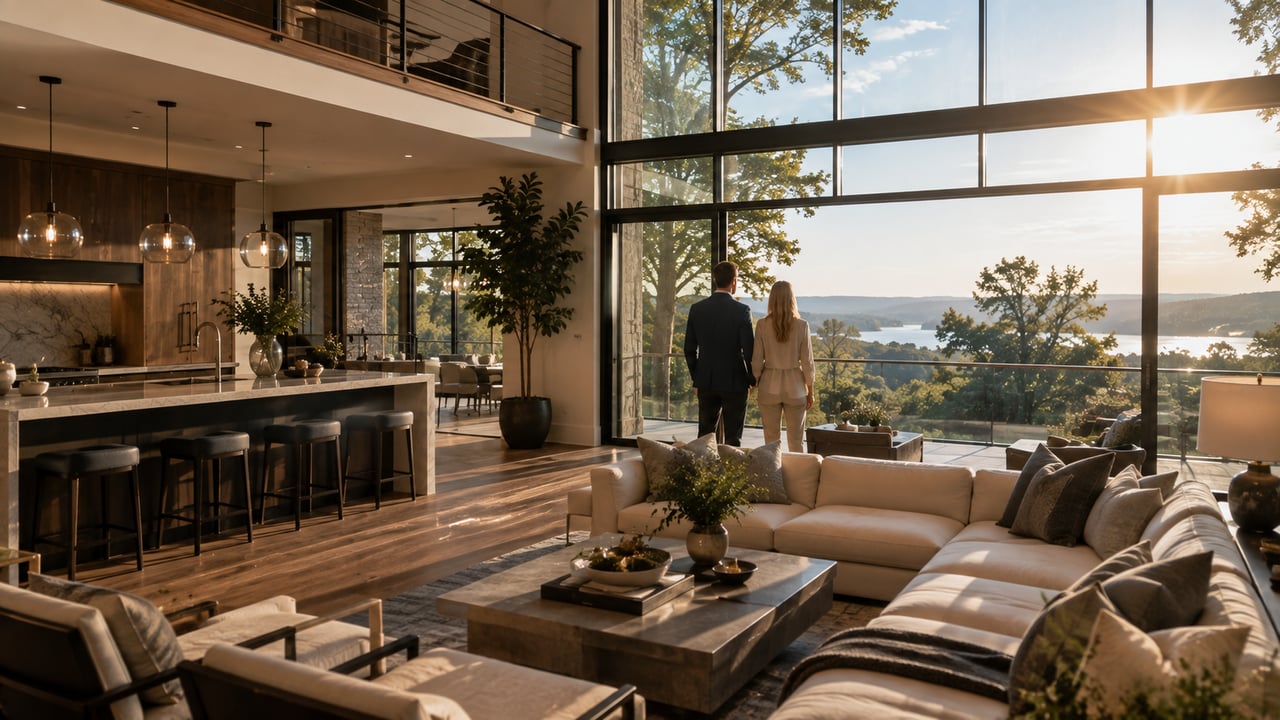
Luxury buyers tend to think of themselves as careful, deliberate, and unemotional about money — and by most measures, they are. Yet ask any agent who's worked at the top of the market, and they'll tell you the same thing: the decision to buy a specific home is rarely made with a spreadsheet. It's made in a hallway, standing in a kitchen, or looking out a particular window, and the spreadsheet shows up afterward to justify it.
That gap between how buyers think they decide and how they actually decide matters in Nashville's luxury market, where inventory in neighborhoods like Belle Meade, Forest Hills, and Franklin is limited enough that competing offers often come down to more than just price. Understanding the psychology at play — for both buyers and the sellers marketing to them — helps explain why two nearly identical homes can sell for very different amounts, and why "the numbers made sense" is rarely the whole story.
This post looks at the psychological patterns behind high-end home buying: what actually drives the decision, where it can go wrong, and how buyers can use that awareness to make a choice they won't second-guess.
Key takeaways:
Behavioral research on decision-making consistently finds that people rely on a mix of intuition and analysis, especially under the pressure of a major choice — and that personal biases in that process are often unconscious rather than deliberate, according to Psychology Today's overview of decision science. For a luxury home purchase, that means the "gut feeling" a buyer gets walking through a property is doing real work before any comparison spreadsheet gets opened.
This isn't irrational so much as it's how people are wired to handle complex, high-stakes decisions. The practical implication for buyers: it's worth noticing when a decision is being driven by a feeling versus a fact, and building in a pause before acting on either alone.
One of the more interesting shifts in luxury buying is how much a property's history and authenticity now factor into perceived value. Luxury Portfolio International's recent analysis of buyer behavior points to a move away from valuing homes purely for scale or amenities, toward valuing "a kind of authenticity that newness simply cannot counterfeit" — original architecture, a documented past, ties to a place's history.
This plays out naturally in Nashville's older luxury corridors, where homes with a known architect or a place on the National Register of Historic Places aren't just marketing details — they're speaking directly to a psychological preference buyers may not consciously name but respond to strongly.
Homes have always done more than shelter people — they signal something about who owns them, a pattern economists have studied since Thorstein Veblen's writing on conspicuous consumption over a century ago. At the luxury level, this shows up less as overt flash and more as subtle signaling: a specific neighborhood's reputation, a lot size that guarantees privacy, or architectural restraint that reads as "old money" rather than "new build."
For buyers, it's worth being honest about which parts of a decision are about how a home will function for daily life, and which parts are about how it will be perceived — both are valid, but conflating them can lead to overpaying for signaling value that doesn't hold up at resale.
A well-established finding in behavioral economics is that people feel the pain of losing something more strongly than the pleasure of gaining something of equal value — a concept often called loss aversion. In a competitive luxury listing, this can push a buyer who was previously cautious into moving quickly, raising an offer, or waiving a contingency, not because the numbers changed but because the prospect of losing the home suddenly became real.
This is one of the more useful things for buyers to recognize about themselves in the moment: a competing offer changes the emotional stakes of a decision even when it shouldn't change the underlying value of the property.
Ironically, having more choices can make a decision harder, not easier. Psychology Today notes that when consumers face too many options, they often "waste time and mind-space second-guessing themselves" rather than reaching a confident decision. Touring a dozen luxury homes over a few weekends can leave a buyer more exhausted than clear-headed — and exhausted buyers tend to default to whichever property left the strongest recent impression, rather than the one that objectively fit best.
Both — research on decision-making shows major purchases typically involve a mix of intuition and analysis, with emotional impressions often forming first and rational justification following. For luxury buyers, the practical takeaway is to notice which is driving a given moment and build in time before acting on either alone.
A documented history or architectural pedigree increasingly reads as authenticity that new construction can't replicate, according to Luxury Portfolio International's analysis of buyer trends. For many luxury buyers, that story has become a genuine driver of perceived value, not just a marketing detail.
Why do luxury buyers sometimes pay above asking price? Competitive situations activate loss aversion — the fear of losing a home that already feels emotionally "claimed" — which can outweigh a buyer's original price ceiling, especially for a property with a strong story or scarce comparable inventory.
Can sellers use buyer psychology to their advantage? Yes — presenting a home's authentic story, staging for an emotional first impression, and avoiding over-touring a property (which can dull its impact) all work with, rather than against, how buyers actually decide.
What is buyer's remorse, and how can luxury buyers avoid it? Buyer's remorse often follows decisions made under emotional pressure without a pause to check them against practical criteria. Building in a short cooling-off period — even a single night — before finalizing an offer can meaningfully reduce it.
Does touring more homes lead to a better decision? Not necessarily. Decision fatigue from touring too many similar properties can lead buyers to choose based on whichever home they saw most recently, rather than the one that's the best overall fit — a curated shortlist often serves buyers better than an exhaustive one.
Why work with an agent who understands both the market and buyer psychology? An experienced agent can help separate a genuine gut reaction worth trusting from a pressure-driven one worth pausing on — perspective that's difficult to have for yourself in the moment of a big decision.
None of this makes luxury buying irrational — it makes it human. The buyers who end up happiest with their decision aren't the ones who removed emotion from the process entirely; they're the ones who understood which parts of their reaction to trust and built in enough space to check the rest.
If you're navigating a luxury purchase in Nashville and want a second perspective — on the numbers or on the moment — Morrell Property Collective is glad to help you think it through before you decide. Reach out at (615) 593-3103.
Featured Listing
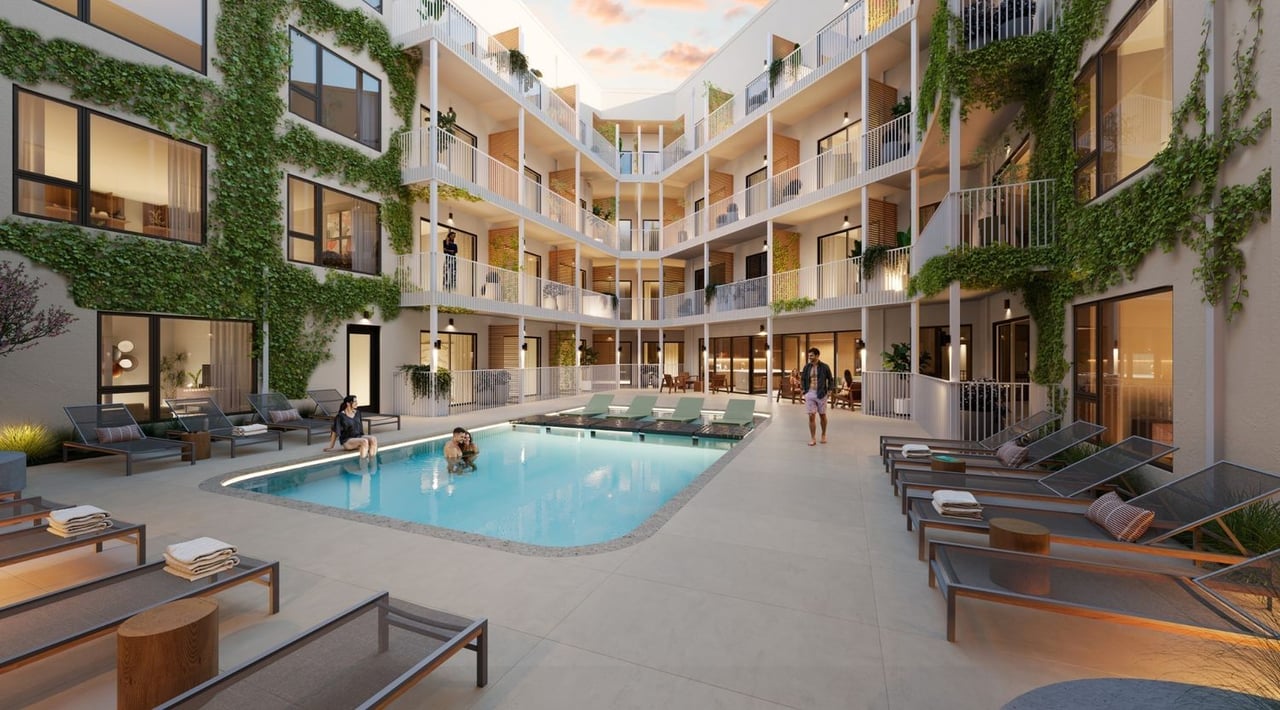
Inside The Modernest WeHo's current lineup, from a $309,900 studio to a $1.3 million three-bedroom
Buyers
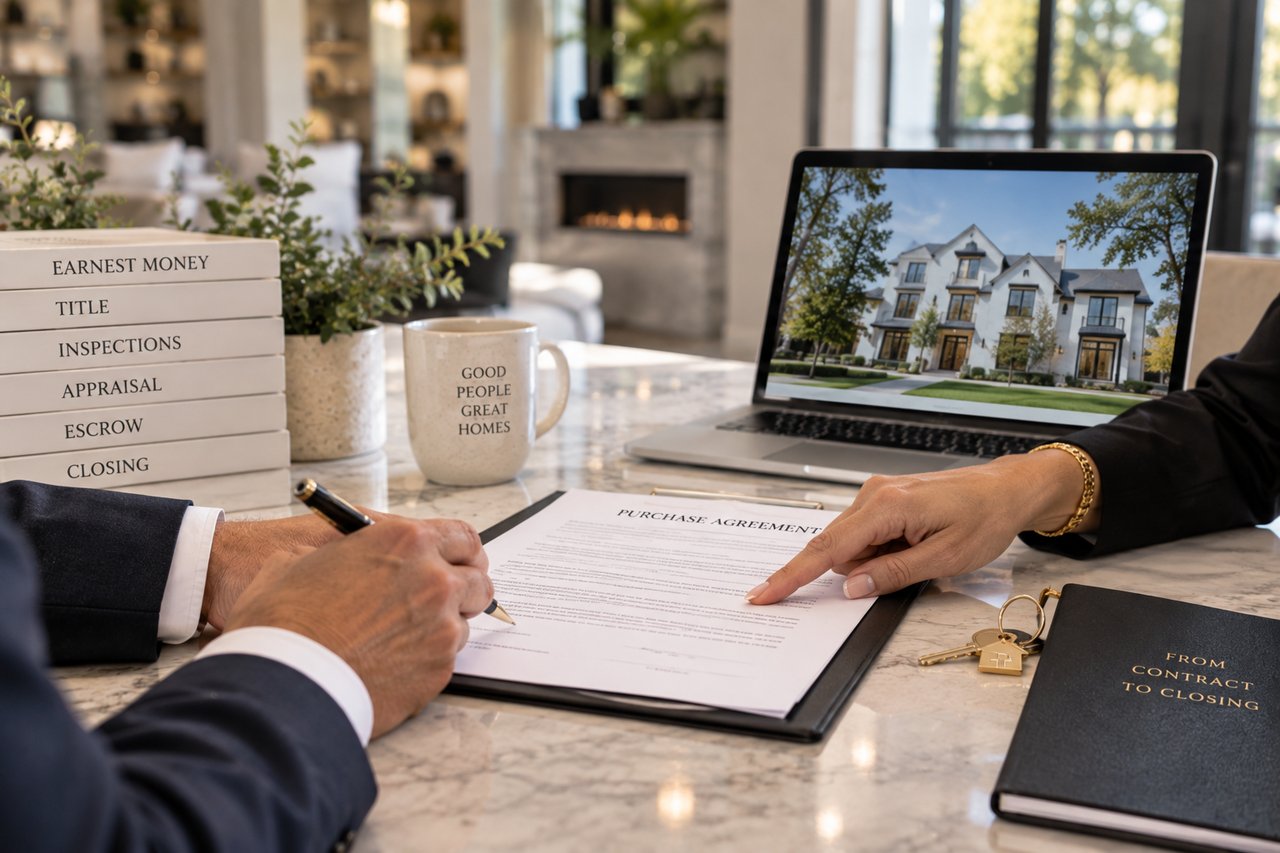
A step-by-step look at the weeks between a signed Tennessee contract and closing day
Featured Listing
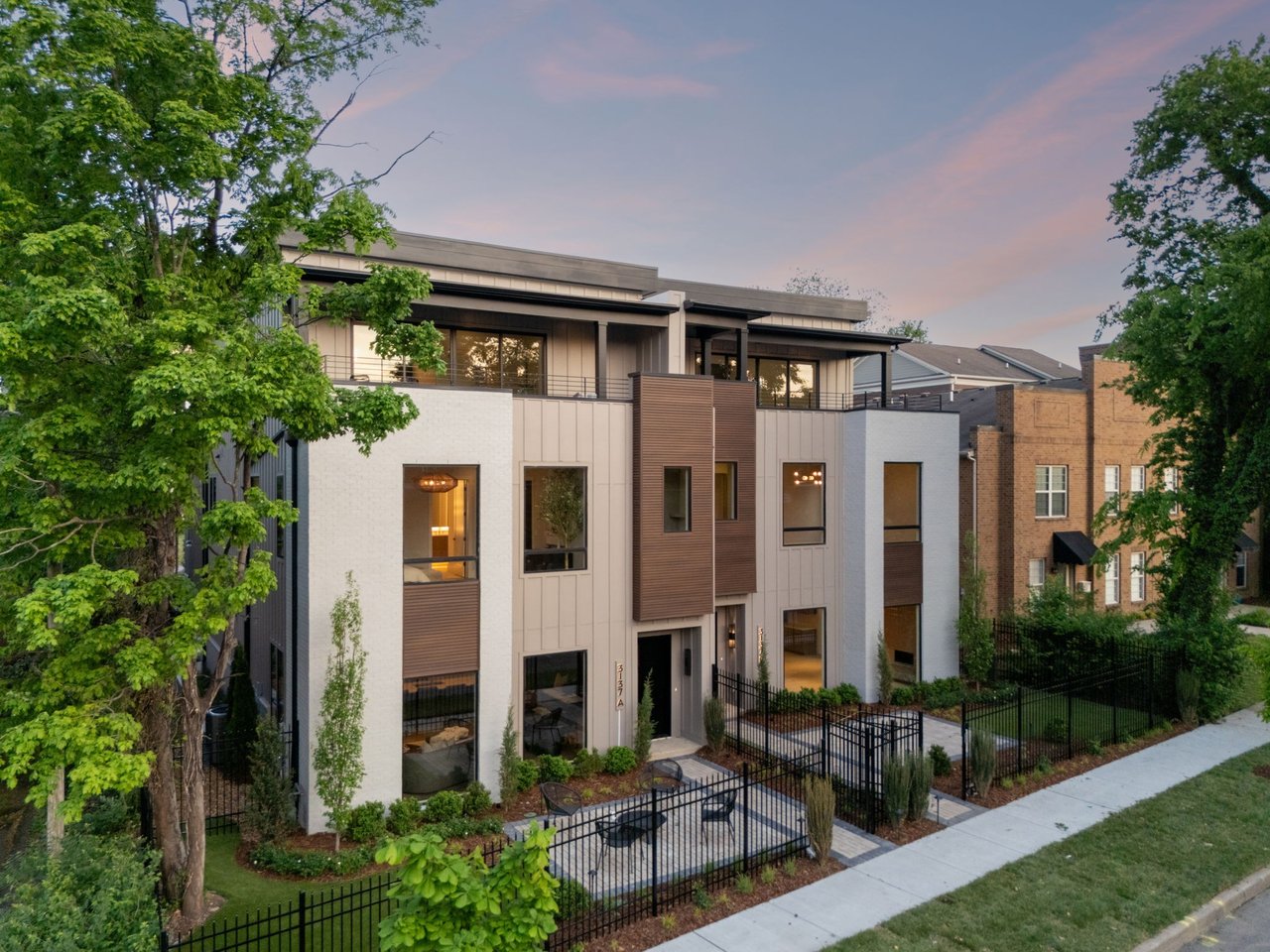
Two mirror-image luxury homes steps from Vanderbilt, Centennial Park, and West End's best dining

MPC Expertise
The licensed brokers, operations, and marketing team behind every transaction

Neighborhood
Where home values concentrate across Music City, from Green Hills to Berry Hill
Real Estate Market
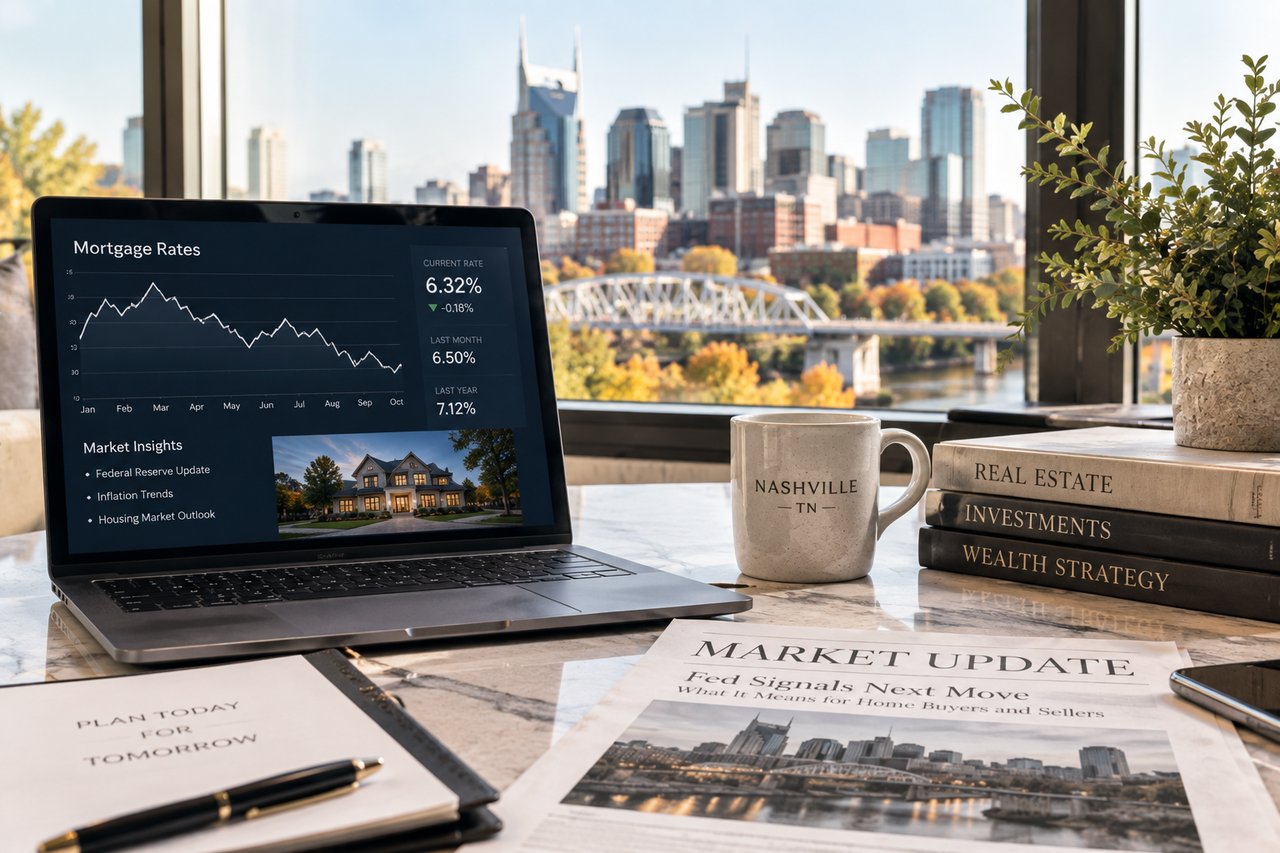
What the September rate increase and today's mortgage rates mean for luxury buyers

Neighborhood
Where the season actually shows up in Middle Tennessee

Featured Listing
A room-by-room look at life above downtown Nashville

Real Estate Market
Concierge service, skyline views, and two decades as a downtown fixture
The client deserves the full service and attention that only a team of experts can consistently provide. Working with us, you will have the personal attention traditionally associated with the client-agent relationship improved by the professionalism and consistency of a thoughtful business model. And yes, superior results will follow!
MORRELL PROPERTY COLLECTIVE
(615) 593-3103
[email protected]
ADDRESS
3990 Hillsboro Pike, #320
Nashville, TN 37215