Luxury Homes with Home Offices: What Buyers Want
Morrell Property Collective August 12, 2026
Buyers
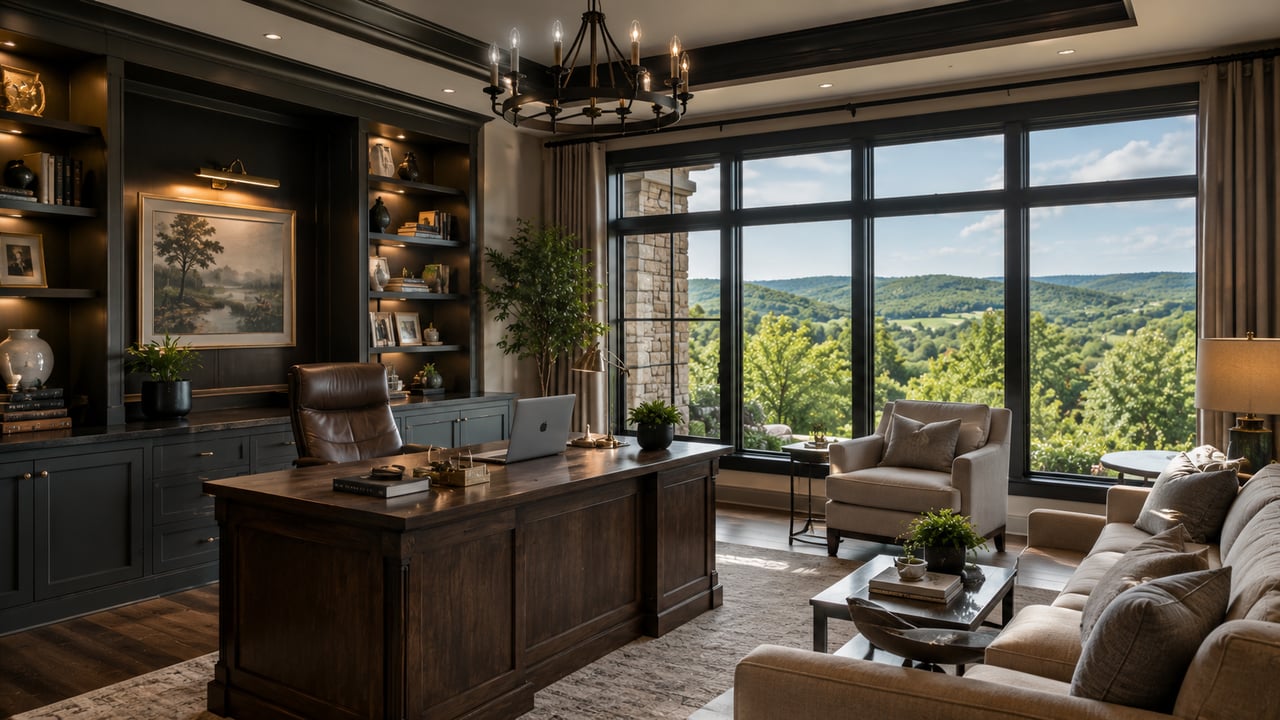
Morrell Property Collective August 12, 2026
Buyers
Remote and hybrid work didn't just change where people work — it changed what they expect from the home itself. For luxury buyers especially, a home office is no longer a nice-to-have tucked into a spare bedroom. It's often near the top of the list, right alongside the primary suite and the kitchen.
That shift matters in Nashville's luxury market, where a meaningful share of buyers are executives, entrepreneurs, and business owners who run part or all of their work from home. A home office that actually functions — with privacy, good light, and real separation from the rest of the house — reads very differently to these buyers than a converted closet with a desk pushed against the wall.
This post covers what actually distinguishes a good home office from an afterthought, why dual offices are showing up more often in luxury listings, and what to look for whether you're touring existing homes or considering new construction.
The shift toward remote and hybrid work pushed the home office from optional to essential for a large segment of luxury buyers. Business owners, executives, and professionals who split time between home and office need a space that can genuinely support client calls, focused work, and long stretches at a desk — not a room that doubles as a guest bedroom and loses its purpose the moment someone visits.
For relocating executives in particular, a well-built home office is often one of the first things they evaluate in a listing, sometimes before the primary suite.
Square footage matters less than a handful of specific qualities. Buyers evaluating a home office should look for:
A room that checks these boxes will function well regardless of its exact square footage; a large room without them often still feels like a workaround.
As more households have two people working from home — sometimes on calls at the same time — a single shared office increasingly doesn't cut it. Buyers are asking specifically about second offices, whether that's a formal study plus a smaller flex room, or two similarly sized spaces on opposite ends of the home.
This is showing up more in how luxury homes are being renovated and built in the Nashville area, where larger footprints in neighborhoods like Franklin, Brentwood, and Forest Hills make room for this kind of dual setup more easily than in tighter urban floor plans.
Formal dining rooms and formal living rooms — spaces that see less daily use in a lot of households — are frequently the first candidates for conversion into a home office when a dedicated study isn't already part of the floor plan. Finished basements and detached structures like pool houses or casitas are also increasingly being finished out as offices, giving buyers a genuinely separate space rather than a converted bedroom.
For buyers touring homes without an obvious dedicated office, it's worth evaluating these convertible spaces with the same criteria as a purpose-built one: light, separation, and whether wiring or built-ins are already in place.
A home office won't appear as its own line item on an appraisal the way a bedroom or bathroom count does. But with hybrid and remote work now a durable feature of how many professionals operate, a genuinely functional office has become something buyers actively weigh when comparing similar homes — and its absence can be a point of friction during a showing.
A good home office combines real separation from the main living areas, natural light that doesn't create glare on video calls, reliable connectivity, and enough built-in storage to avoid clutter. Square footage matters less than whether the space can function as a true workday environment rather than a converted spare room.
Home offices don't show up as a distinct line item in most appraisals, but they've become a meaningful factor in how buyers compare similar listings. A well-designed, private office space can make a home more competitive with move-in-ready remote-work buyers, even though it isn't reflected as a specific dollar premium.
Should I convert a bedroom into a home office, or look for a home that already has one? Either can work, but a home with a purpose-built office usually has better light placement, wiring, and separation already in place — conversions can work well too, but budget for the adjustments (doors, outlets, lighting) that make a converted room function like a real office.
What's the ideal home office size in a luxury home? There's no fixed number — a smaller room with good light and real separation often outperforms a larger one without those qualities. Focus on function first, then evaluate whether the size supports the furniture and equipment you actually need.
Are two home offices common in luxury listings? They're becoming more common, especially in dual-career households, though it varies by home and neighborhood. Larger floor plans in areas like Franklin and Brentwood tend to accommodate this more naturally than more compact layouts.
What's considered a luxury home in the Nashville area? Definitions vary by neighborhood, but luxury listings here are typically distinguished by premium finishes, larger lots, and locations in sought-after areas like Belle Meade, Forest Hills, Franklin, and Brentwood.
Why work with a specialist if a home office is a priority for me? An agent who understands what makes a workspace actually function — not just whether a listing has an extra room — can help you prioritize homes that fit how you work, and flag convertible spaces worth considering when a dedicated office isn't already built in.
A home office stopped being a throwaway room the moment remote and hybrid work became permanent for so many professionals. For luxury buyers, the difference between a workable office and an afterthought comes down to separation, light, and connectivity — not just square footage on a floor plan.
If a functional home office is high on your list, Morrell Property Collective can help you evaluate listings — and convertible spaces — with that priority in mind from the first tour. Reach out anytime at (615) 593-3103.

Featured Listing
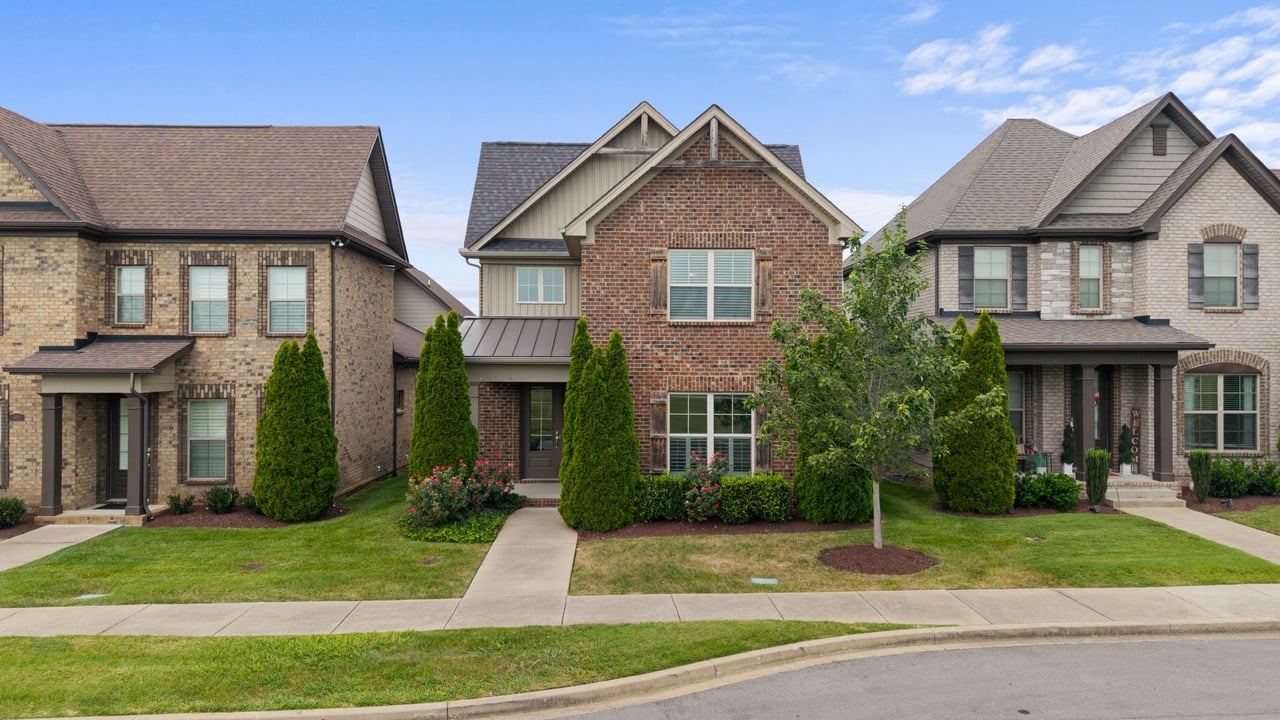
A furnished, proven Airbnb cabin with mountain views, priced at $525,000
Featured Listing
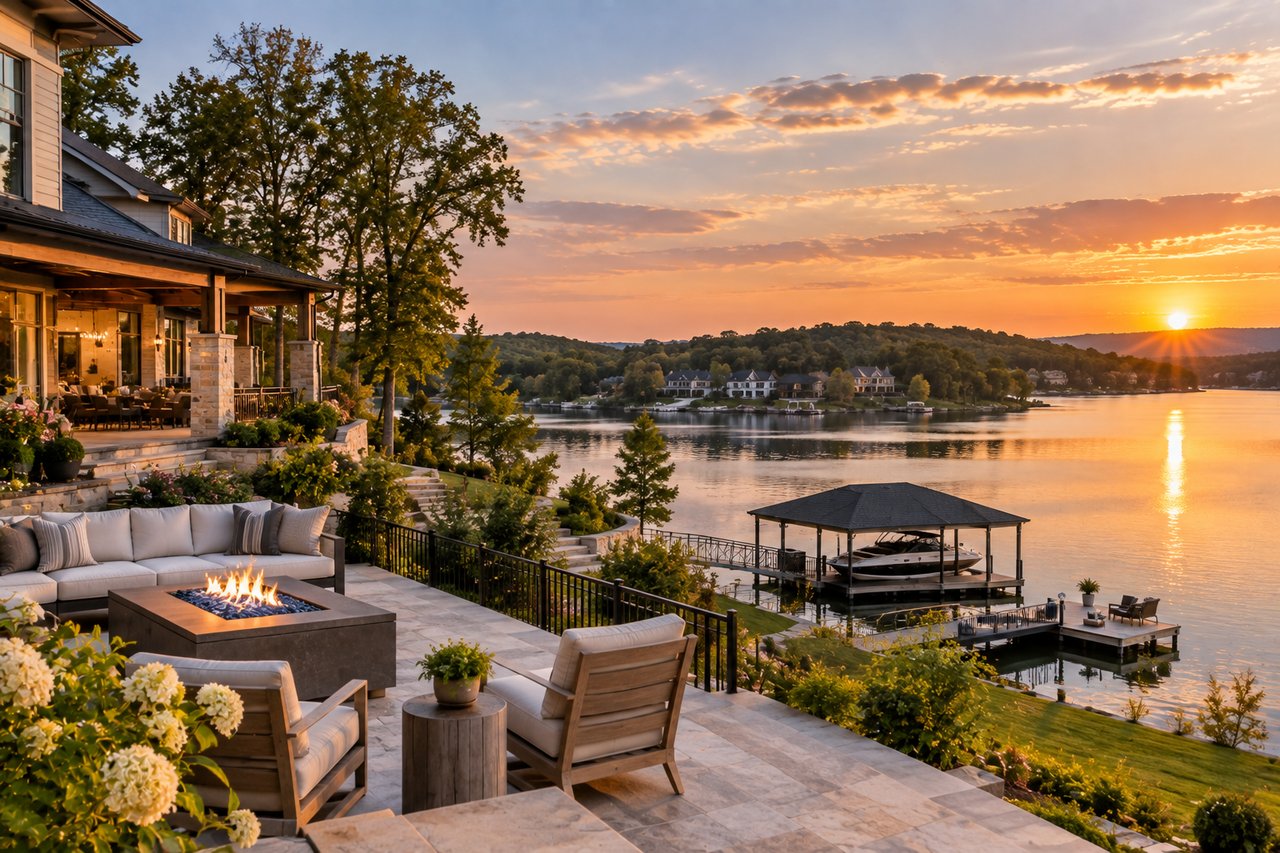
Why Old Hickory Lake's south shore is drawing buyers who want lake life without leaving Nashville behind
Neighborhood
Why Old Hickory Lake's south shore is drawing buyers who want lake life without leaving Nashville behind
Featured Listing
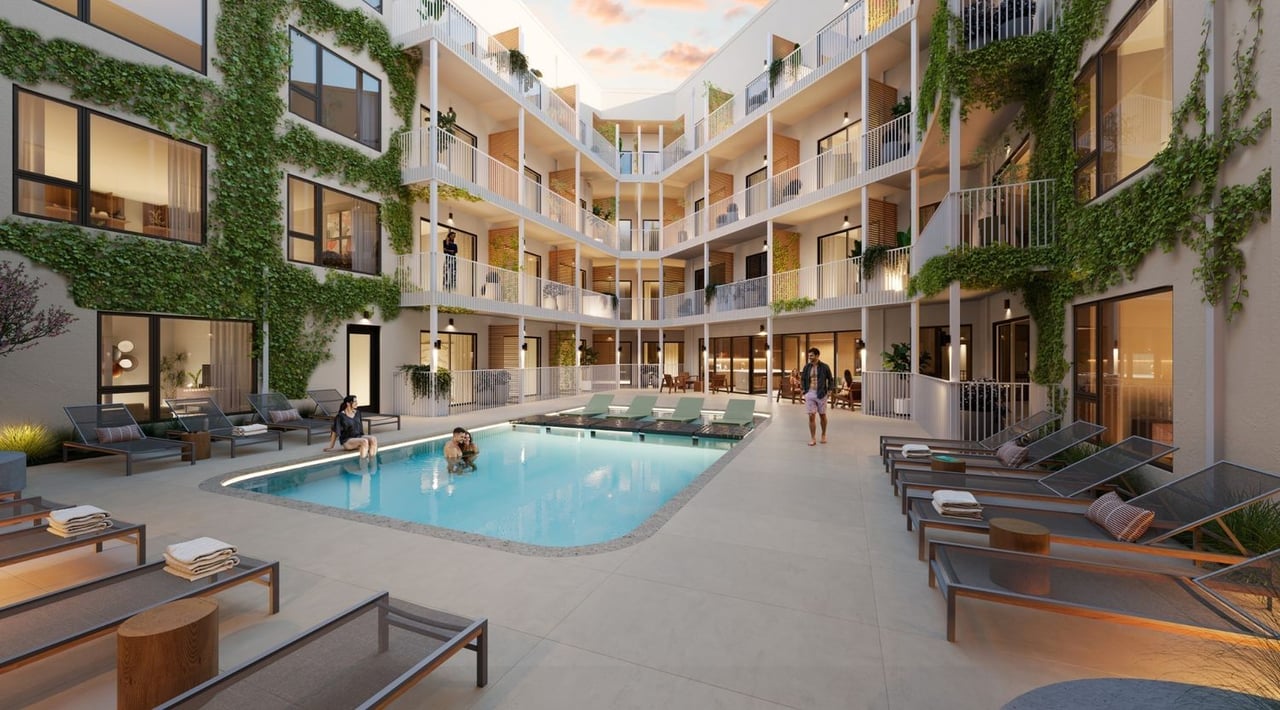
Inside The Modernest WeHo's current lineup, from a $309,900 studio to a $1.3 million three-bedroom
Buyers
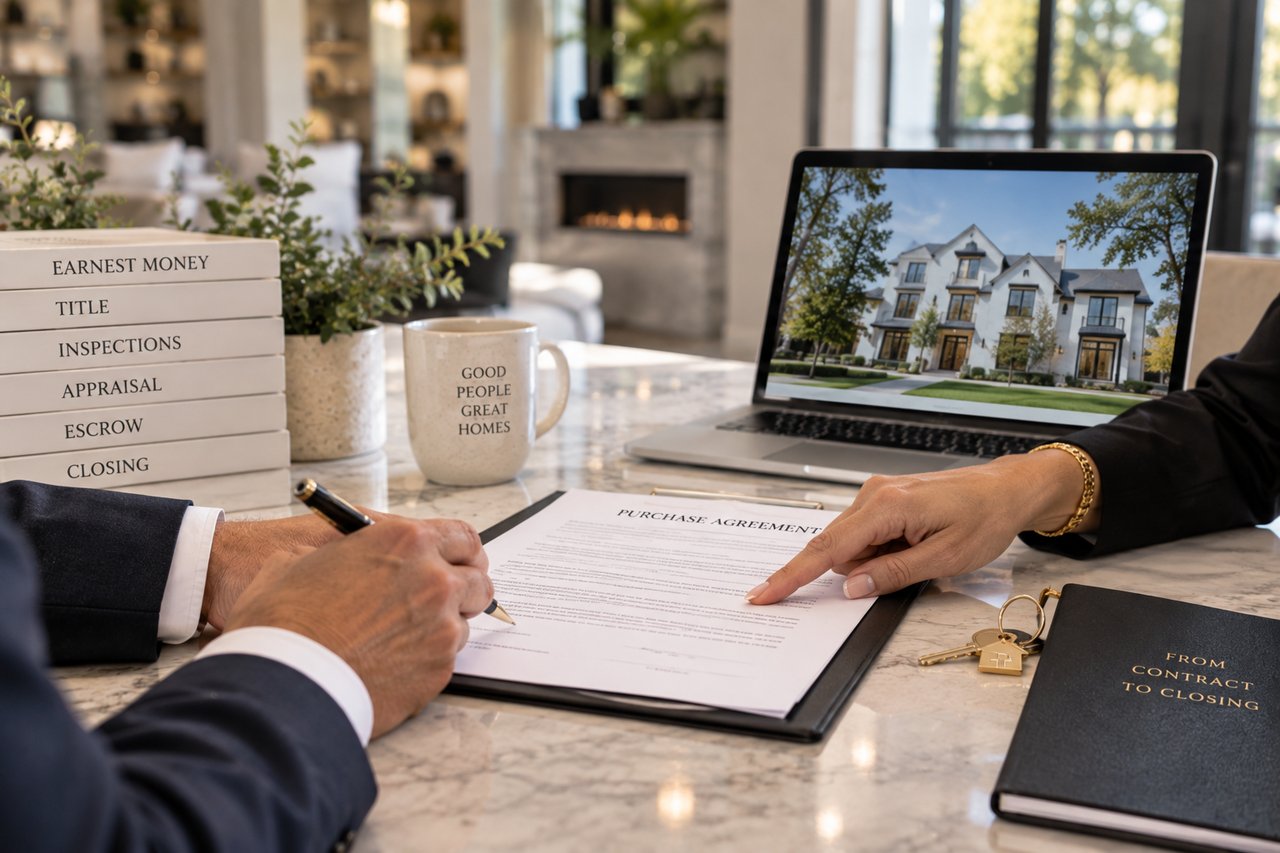
A step-by-step look at the weeks between a signed Tennessee contract and closing day
Featured Listing
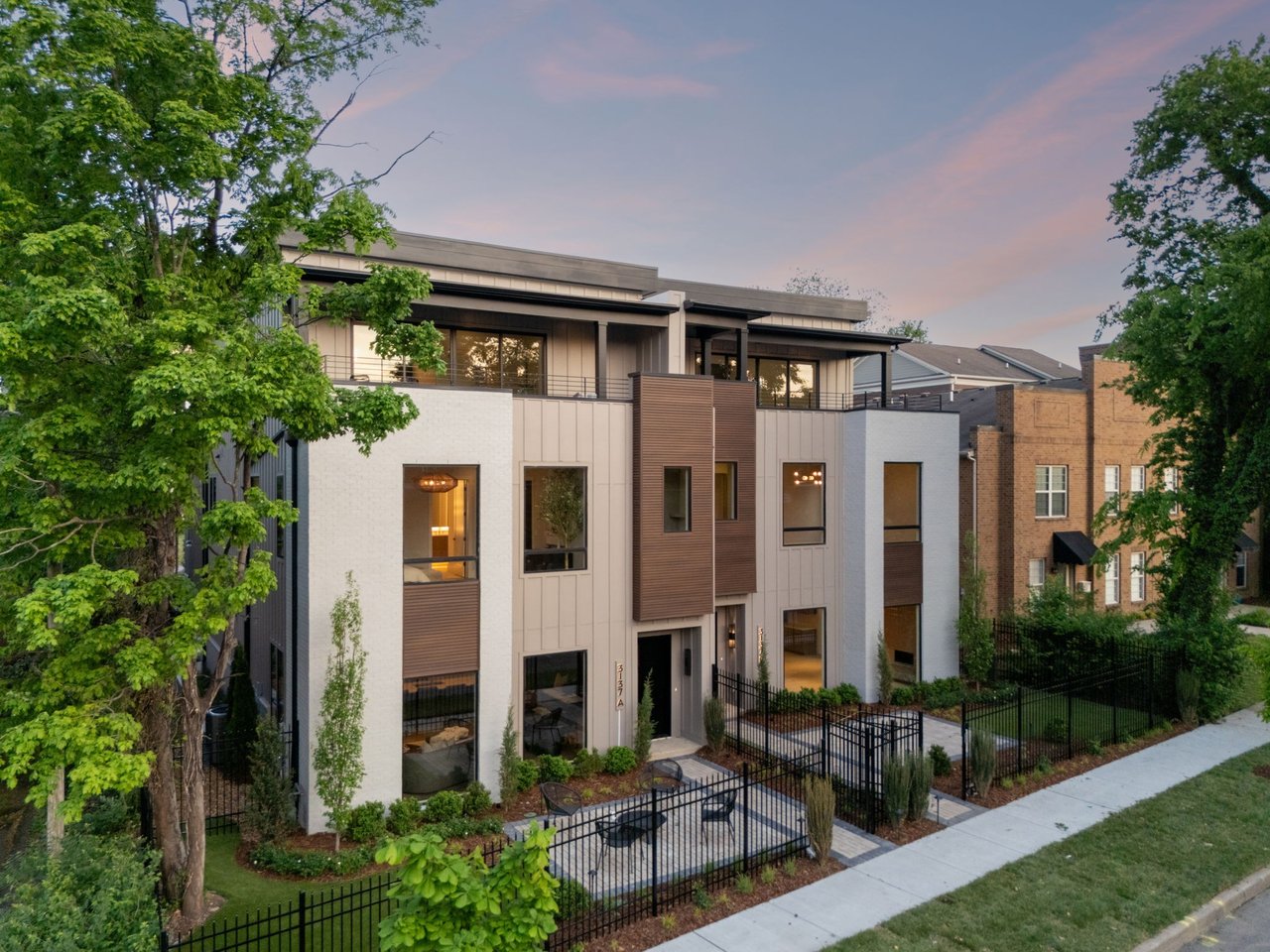
Two mirror-image luxury homes steps from Vanderbilt, Centennial Park, and West End's best dining

MPC Expertise
The licensed brokers, operations, and marketing team behind every transaction

Neighborhood
Where home values concentrate across Music City, from Green Hills to Berry Hill
Real Estate Market
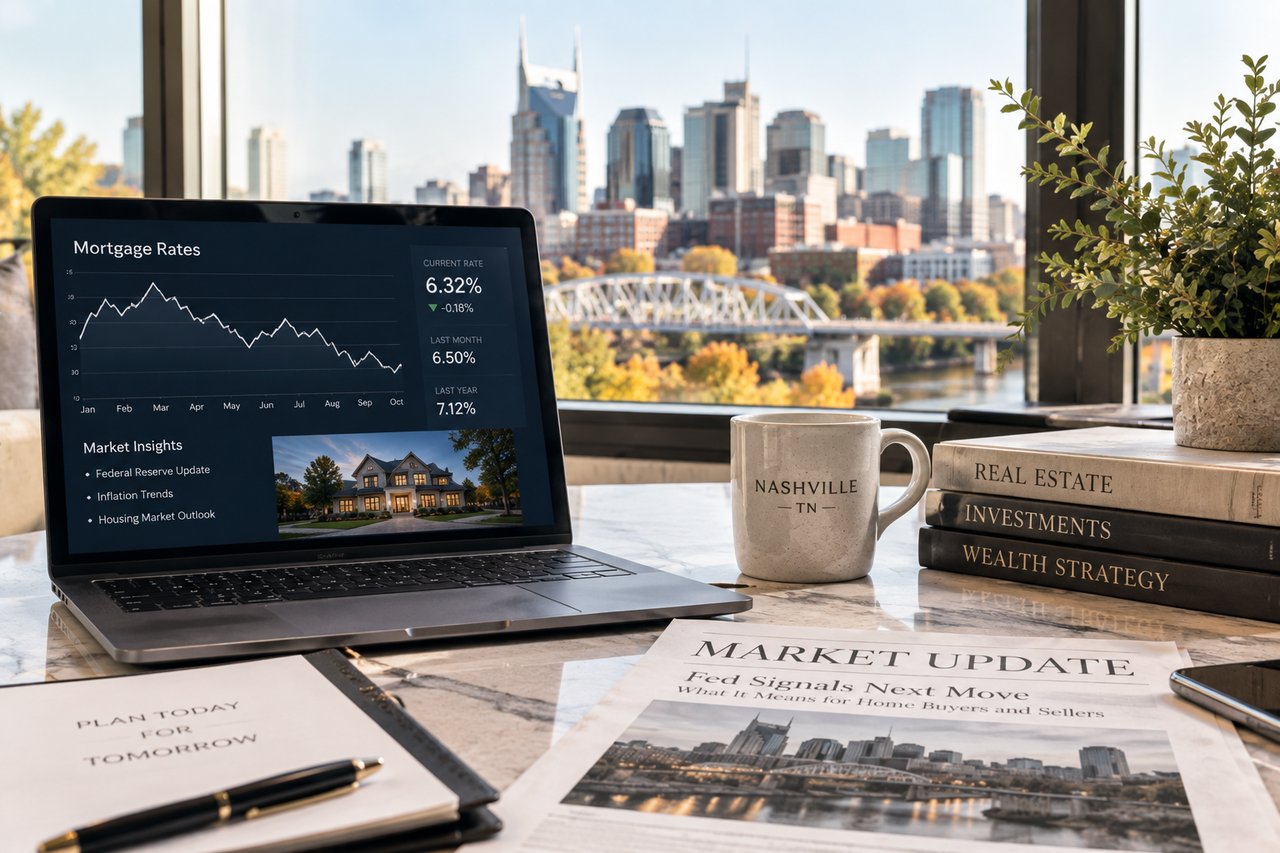
What the September rate increase and today's mortgage rates mean for luxury buyers
The client deserves the full service and attention that only a team of experts can consistently provide. Working with us, you will have the personal attention traditionally associated with the client-agent relationship improved by the professionalism and consistency of a thoughtful business model. And yes, superior results will follow!
MORRELL PROPERTY COLLECTIVE
(615) 593-3103
[email protected]
ADDRESS
3990 Hillsboro Pike, #320
Nashville, TN 37215