How Much Cash You Need Before Buying a Luxury Home
Morrell Property Collective August 11, 2026
Buyers

Morrell Property Collective August 11, 2026
Buyers
Buyers often anchor on the down payment as "the number" they need to save, but that's only one piece of what's due at and after closing. Closing costs, prepaid items like property taxes and insurance, and any reserve requirements your lender sets can add a meaningful amount on top of the down payment itself.
At the luxury price point, these categories tend to scale up alongside the purchase price, which is why it's worth mapping out the full picture early rather than assuming a percentage of the sale price covers everything.
Most luxury home purchases are financed with a jumbo loan, since the loan amount typically exceeds the conforming loan limits that apply to standard mortgages. Jumbo loans commonly come with larger down payment expectations than conforming loans, and requirements can vary significantly from one lender and loan program to the next.
Because these thresholds and terms shift over time and by lender, the most reliable move is to get a specific down payment requirement in writing from a lender who works regularly with jumbo loans, rather than assuming a standard percentage applies.
Closing costs typically include categories like the loan origination fee, appraisal, title insurance, attorney or closing agent fees, recording and transfer costs, and prepaid property tax and homeowners insurance placed into escrow. On a higher-value property, several of these costs (title insurance and transfer-related fees especially) scale with the purchase price, so they can add up to a significant sum.
Ask your lender for a loan estimate early in the process — it will break down these costs specifically for your loan amount and give you a real number instead of a rule of thumb.
Many jumbo loan programs require borrowers to show liquid reserves — money in accessible accounts beyond the down payment and closing costs — often equal to several months of mortgage payments. This is meant to demonstrate you could continue covering the mortgage even after an unexpected disruption to income.
Reserve requirements vary by lender, loan size, and borrower profile, so it's worth asking early in the process how many months of reserves a specific loan program will require, since this can meaningfully affect how much cash you need to have accessible before you're ready to make an offer.
Some luxury buyers are in a position to pay cash outright, which can simplify a transaction and strengthen an offer in a competitive situation. Others prefer to finance even when they could pay cash, in order to keep liquidity available for other investments or expenses.
There's no universally right answer here — it depends on your broader financial picture, investment goals, and comfort with liquidity, which is exactly the kind of decision worth discussing with a financial advisor or CPA rather than deciding based on general guidance alone.
Beyond the purchase itself, luxury properties often carry higher ongoing costs: property taxes tied to a higher assessed value, insurance premiums that reflect the home's size and features, and maintenance on things like pools, extensive landscaping, or larger square footage. Homes in a planned community may also carry HOA dues.
Budgeting for these ongoing costs before you buy, rather than discovering them after closing, helps ensure the home fits your actual monthly budget, not just your closing-day cash position.
It depends on your lender and loan program, but luxury purchases financed with a jumbo loan often require a larger down payment than a conforming loan would, sometimes significantly more. Get a specific figure from a jumbo-loan lender rather than assuming a standard percentage.
Often, yes. Many jumbo loan programs require borrowers to show several months of liquid reserves beyond the down payment and closing costs, though the exact requirement varies by lender, loan size, and your financial profile.
Should I pay all-cash for a luxury home if I'm able to? It depends on your broader financial goals — paying cash can simplify and strengthen an offer, but financing may make more sense if you'd rather keep that cash available for other investments. This is worth discussing with a financial advisor familiar with your full picture.
What counts as a jumbo loan? A jumbo loan is a mortgage that exceeds the conforming loan limits set for conventional financing, which is common for luxury home purchases. Because those limits are updated periodically, ask your lender whether your target loan amount currently falls into jumbo territory.
How long does it typically take to get pre-qualified for a jumbo loan? Timelines vary by lender and how quickly you can provide documentation, but starting the conversation early — before you're seriously touring homes — gives you time to understand reserve and down payment requirements without time pressure.
Why work with an agent who understands luxury and jumbo financing? Luxury transactions often involve financing nuances, appraisal considerations, and negotiation dynamics that differ from a standard home sale, and an agent experienced in this price range can help you navigate those alongside your lender.
Do luxury homes typically take longer to close than standard purchases? Financing complexity and appraisal requirements can sometimes extend timelines for jumbo-financed purchases compared to conventional loans, though this varies by lender and transaction. Your lender can give you a realistic timeline once your loan details are set.
Talk to a lender who regularly handles jumbo loans early, before you start touring homes, so you understand current down payment and reserve requirements for your target price range.
Ask for a detailed closing cost estimate specific to your loan amount rather than relying on a general percentage.
Map out likely ongoing costs (property tax, insurance, maintenance, HOA dues) for properties you're considering, not just the purchase price.
Discuss the cash vs. financing decision with a financial advisor or CPA who understands your full financial picture, not just the home purchase.
Build in a cushion beyond the minimum required cash, so you're not stretched thin the moment you close.
The real cash needed to buy a luxury home is almost always more than the down payment alone — closing costs, lender reserve requirements, and ongoing expenses all factor into the true picture. Getting a clear, lender-specific number early means you can shop with confidence instead of guessing.
If you're planning a luxury home purchase in Nashville or Knoxville, Morrell Property Collective can connect you with lenders experienced in jumbo financing and help you understand what a realistic cash picture looks like for the properties you're considering. Call us at (615) 593-3103 to start the conversation.
Featured Listing
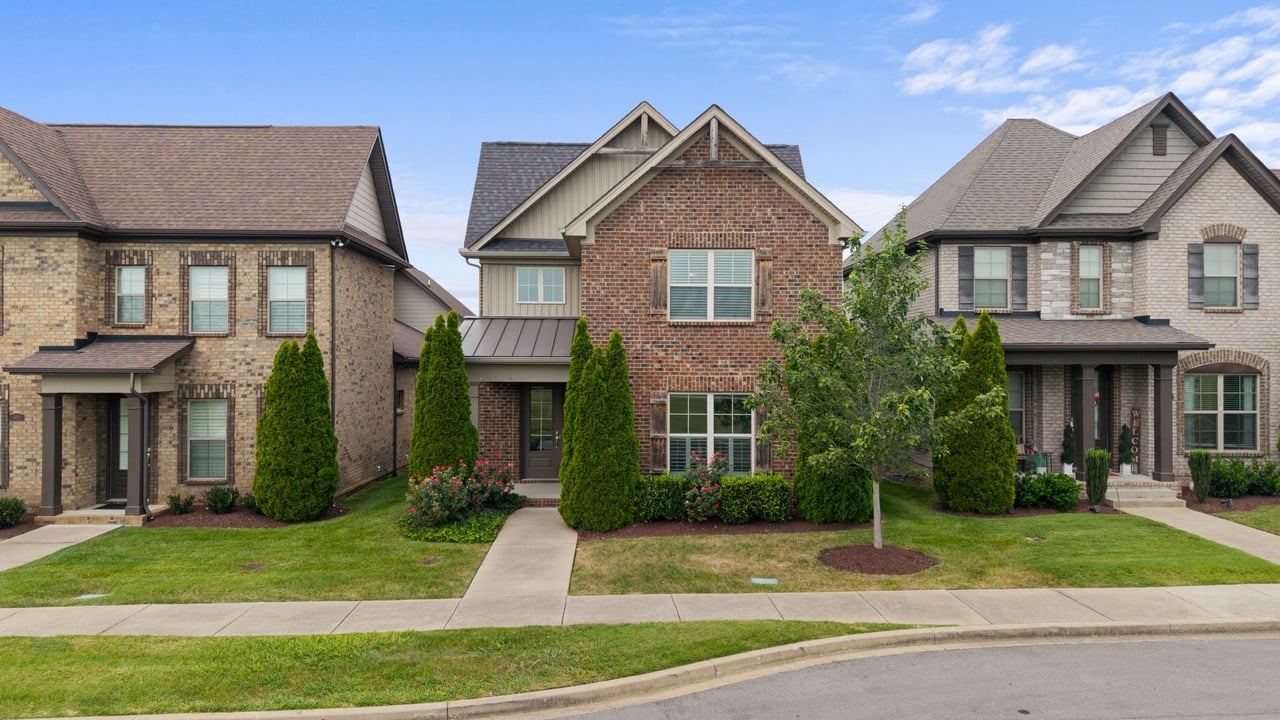
Why Old Hickory Lake's south shore is drawing buyers who want lake life without leaving Nashville behind

Neighborhood
Why Old Hickory Lake's south shore is drawing buyers who want lake life without leaving Nashville behind

Featured Listing
Inside The Modernest WeHo's current lineup, from a $309,900 studio to a $1.3 million three-bedroom

Buyers
A step-by-step look at the weeks between a signed Tennessee contract and closing day
Featured Listing
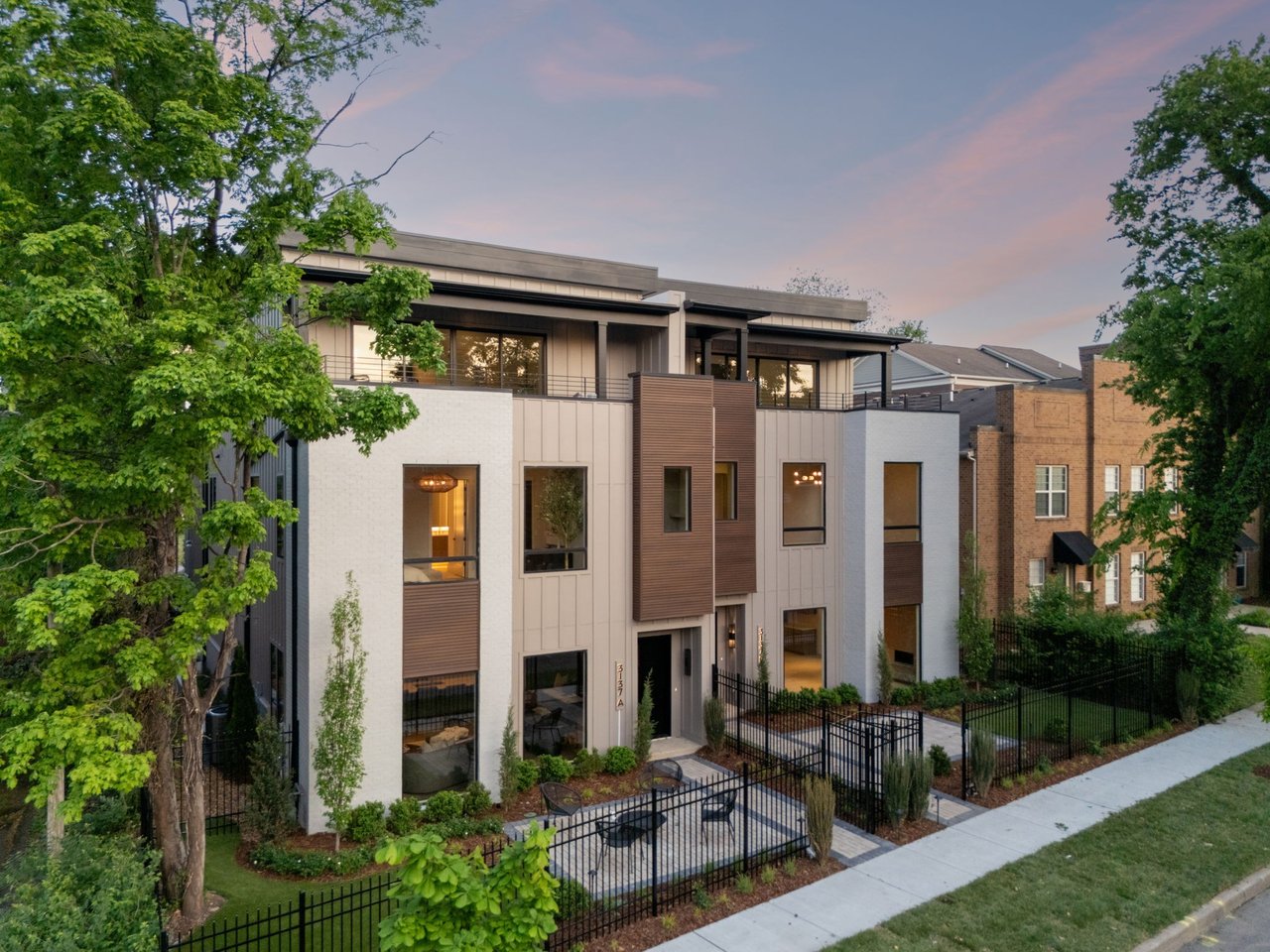
Two mirror-image luxury homes steps from Vanderbilt, Centennial Park, and West End's best dining

MPC Expertise
The licensed brokers, operations, and marketing team behind every transaction

Neighborhood
Where home values concentrate across Music City, from Green Hills to Berry Hill
Real Estate Market
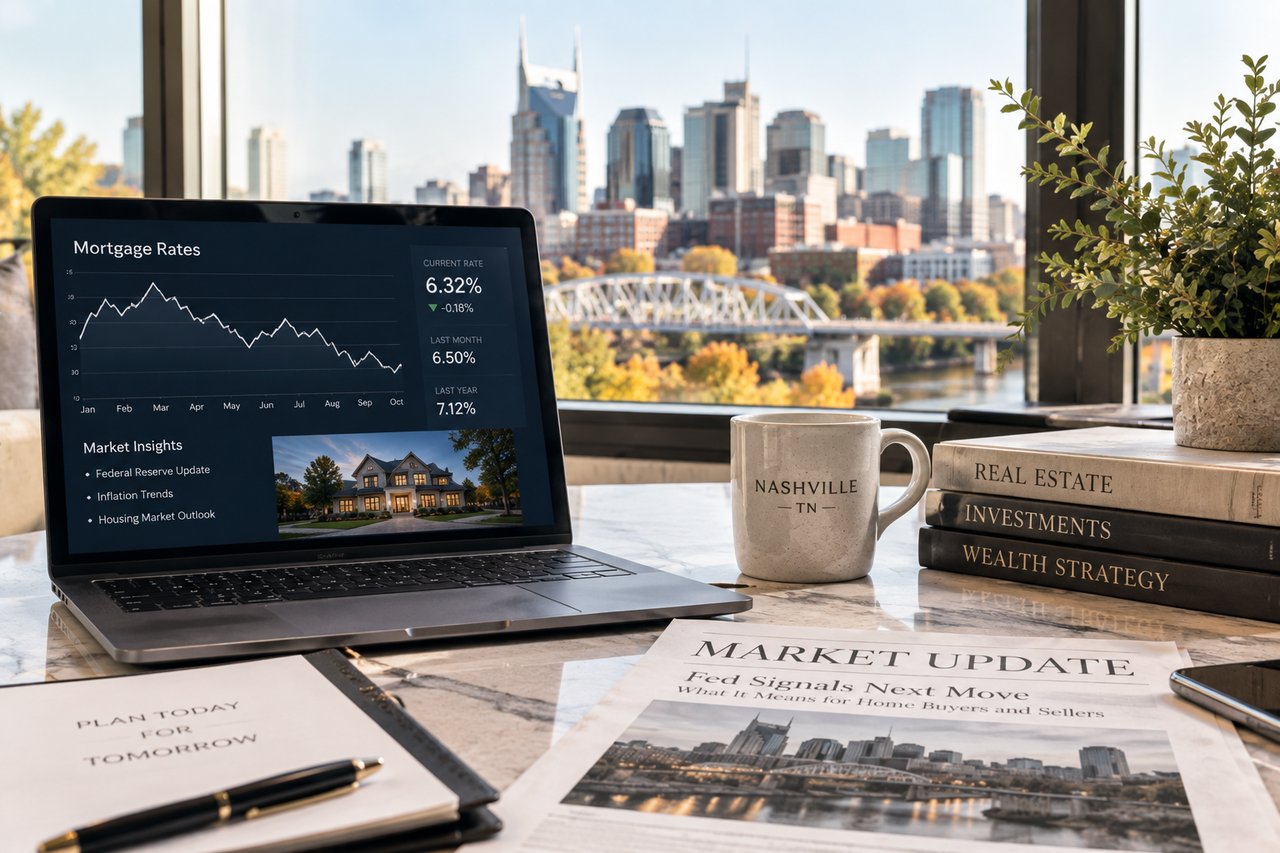
What the September rate increase and today's mortgage rates mean for luxury buyers

Neighborhood
Where the season actually shows up in Middle Tennessee
The client deserves the full service and attention that only a team of experts can consistently provide. Working with us, you will have the personal attention traditionally associated with the client-agent relationship improved by the professionalism and consistency of a thoughtful business model. And yes, superior results will follow!
MORRELL PROPERTY COLLECTIVE
(615) 593-3103
[email protected]
ADDRESS
3990 Hillsboro Pike, #320
Nashville, TN 37215