How Luxury Buyers Evaluate a Home in Nashville
Morrell Property Collective August 10, 2026
Buyers

Morrell Property Collective August 10, 2026
Buyers
Most listing photos are built to sell the same story: chef's kitchen, spa bath, resort-style pool. But buyers shopping at the top of the Nashville market rarely make a decision based on those photos alone. They're evaluating something harder to stage — how a property was built, how it sits on its land, and whether it will hold its value and its appeal a decade from now.
That distinction matters right now in neighborhoods like Belle Meade, Forest Hills, Green Hills, and Franklin, where architectural quality and lot character vary enormously even within the same price band. Two homes listed a half-mile apart can look similar online and evaluate completely differently in person.
This post walks through the criteria experienced luxury buyers actually use — the things worth checking before you fall for a listing photo, and the things a good buyer's agent should be flagging during a showing.
Key takeaways:
At the luxury level, location isn't just "which zip code" — it's how a specific lot relates to the street, its neighbors, and the topography around it. Buyers touring Belle Meade or Forest Hills are often comparing homes on similarly sized lots, so the real variable becomes setback, tree cover, and how exposed the home feels from the road or adjacent properties.
Forest Hills, for example, was built out on steep, wooded terrain that limited early development — most homes there still sit on one- to two-acre parcels with meaningful tree buffer between neighbors. That kind of natural privacy is difficult to recreate on a flatter, more recently subdivided lot, even with landscaping.
A home's footprint tells only part of the story. Serious buyers walk the grounds and ask how the house is oriented to sun, whether the topography drains well, and whether the "usable" acreage is actually usable — or mostly a steep slope. In Nashville's hillier luxury enclaves, a listed lot size can be misleading if much of it isn't buildable or livable.
Buyers also increasingly evaluate outdoor living space as seriously as interior square footage: covered porches, pool placement relative to neighboring sightlines, and whether a yard can accommodate a future addition, guest house, or sport court if zoning allows it.
Cosmetic finishes — paint, light fixtures, even kitchen cabinetry — are the easiest and least expensive things to change after closing. Buyers who've been through this before tend to look past them and evaluate what's underneath: solid millwork versus MDF trim, original hardwood versus engineered flooring, plaster versus builder-grade drywall, and whether structural elements like beams, staircases, and masonry were built to last.
This is especially relevant in Franklin's historic core and in older sections of Belle Meade and Forest Hills, where homes built decades ago often used materials and construction methods that are difficult or prohibitively expensive to replicate today.
None of it shows up in listing photos, but HVAC age and zoning, roof condition, foundation health, and electrical capacity are exactly what separates a luxury home that's move-in ready from one that looks finished but needs six figures of deferred maintenance. Buyers at this level typically bring in specialized inspectors — not just a general home inspector — for older or larger properties, particularly anything with a pool, elevator, or extensive smart-home wiring.
One shift worth watching: according to Luxury Portfolio International's recent analysis of buyer behavior, affluent buyers are increasingly drawn to a home's documented history and authenticity over scale or amenity count — what the firm calls "a kind of authenticity that newness simply cannot counterfeit." A home with a known architect, a original ownership story, or ties to the surrounding community's history can command a premium that has little to do with square footage.
This plays directly into Nashville's older luxury corridors, where several homes carry National Register of Historic Places status or documented architectural pedigree — details worth highlighting in a listing, not burying.
Finally, luxury buyers are evaluating fit: commute to downtown or the airport, proximity to private schools, walkability to Green Hills or downtown Franklin, and whether the floor plan will still work in fifteen years — aging in place, multigenerational living, or a home office that needs to function as real workspace.
In Nashville, a luxury home is defined less by a specific price point and more by the combination of exceptional land, superior construction, and a location with limited comparable inventory — commonly found in enclaves like Belle Meade, Forest Hills, and Franklin's historic and master-planned communities.
Beyond size, luxury buyers prioritize privacy and lot quality, original construction materials and craftsmanship, the condition of major systems, a home's documented history or architectural pedigree, and how well the property will hold its value over time.
A documented history — original architect, notable ownership, or ties to a historic district — has become a genuine value driver for luxury buyers, not just a marketing detail, as buyers increasingly favor authenticity over newly built scale and amenities.
Is a bigger home always a better luxury investment? Not necessarily. A well-sited, well-built home on a smaller footprint often outperforms a larger home with a compromised lot, poor privacy, or deferred maintenance — both in day-to-day livability and long-term resale.
How long do luxury homes typically take to sell in Nashville? Timelines vary significantly by price point, neighborhood, and how a home is positioned and marketed, so current figures should be confirmed against active market data rather than assumed. [VERIFY CURRENT DATA]
Should I get a specialized inspection for a luxury home? Yes — beyond a standard home inspection, older or larger luxury properties often warrant separate evaluations for the roof, foundation, HVAC zoning, and any pools, elevators, or extensive smart-home systems.
Why work with an agent who specializes in luxury properties? Luxury transactions involve more nuance — from evaluating construction quality and land use to navigating off-market opportunities and coordinating specialized inspections — where local, hands-on experience makes a measurable difference.
What should relocating buyers know about Nashville's luxury neighborhoods? Each established enclave has a distinct character, from Belle Meade's larger historic estates to Forest Hills' wooded privacy to Franklin's blend of historic downtown and newer master-planned luxury communities — worth touring in person before narrowing a search.
The best luxury purchases aren't decided in the kitchen — they're decided on the land, in the details of construction, and in a property's ability to hold both its character and its value over time. A trained eye on all three makes the difference between a home that photographs well and one that's genuinely worth the price.
If you're evaluating a luxury property in Nashville or Franklin and want a second, experienced set of eyes on the land, the construction, or the long-term value, Morrell Property Collective is glad to help you look past the listing photos. Reach out at (615) 593-3103.
Featured Listing
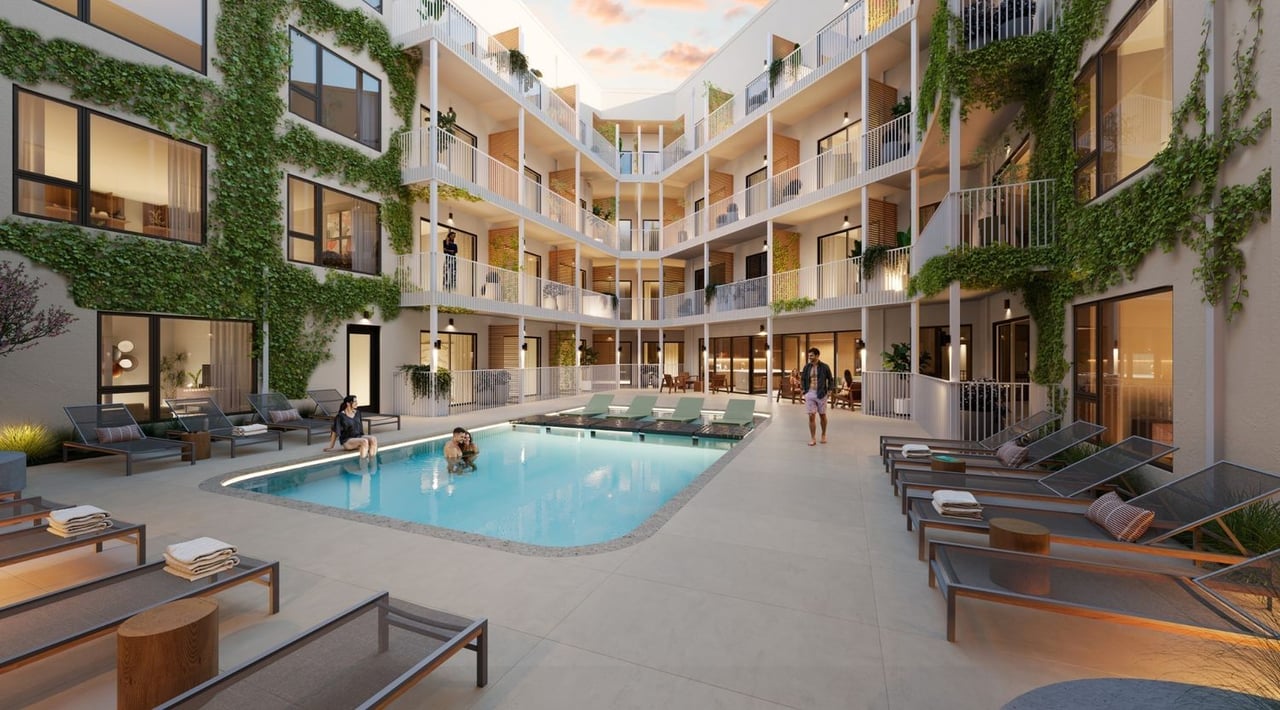
Inside The Modernest WeHo's current lineup, from a $309,900 studio to a $1.3 million three-bedroom
Buyers
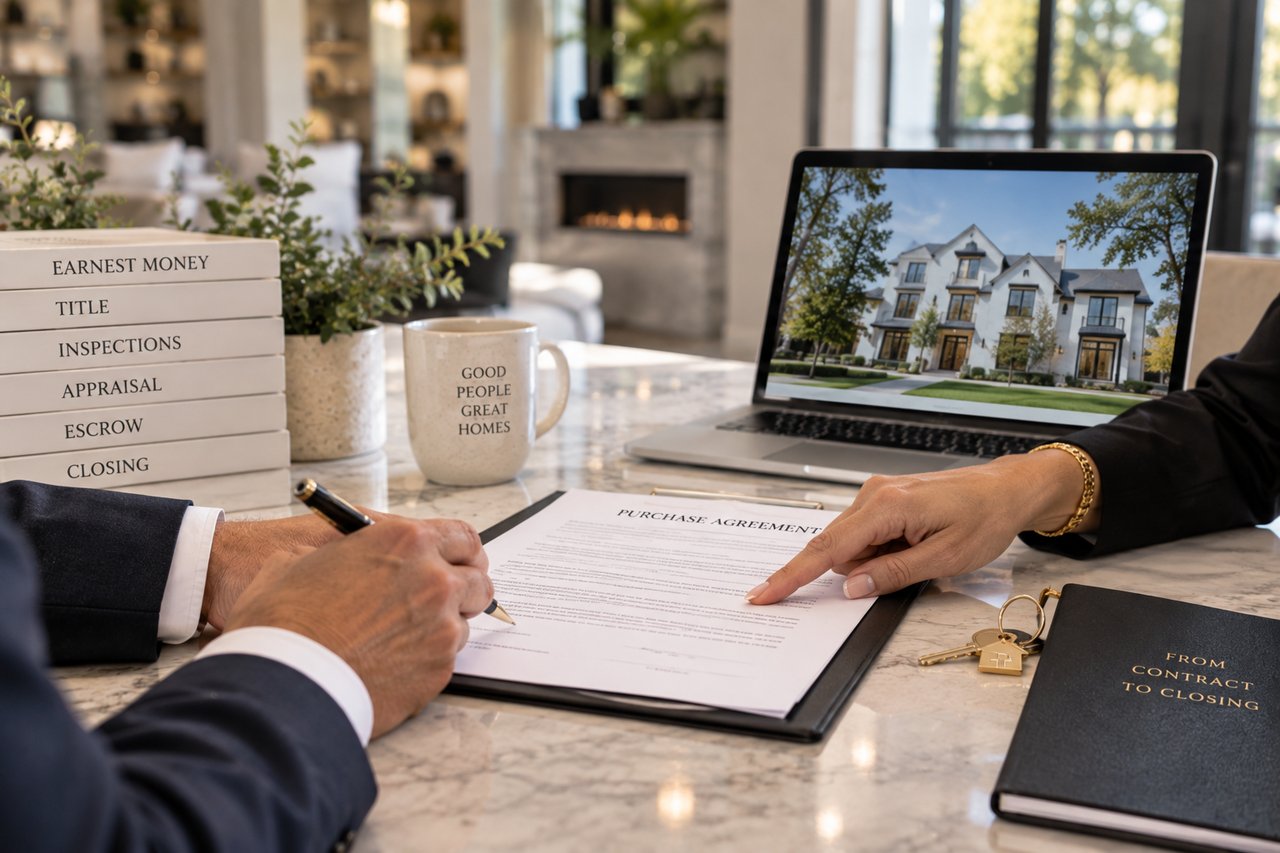
A step-by-step look at the weeks between a signed Tennessee contract and closing day
Featured Listing
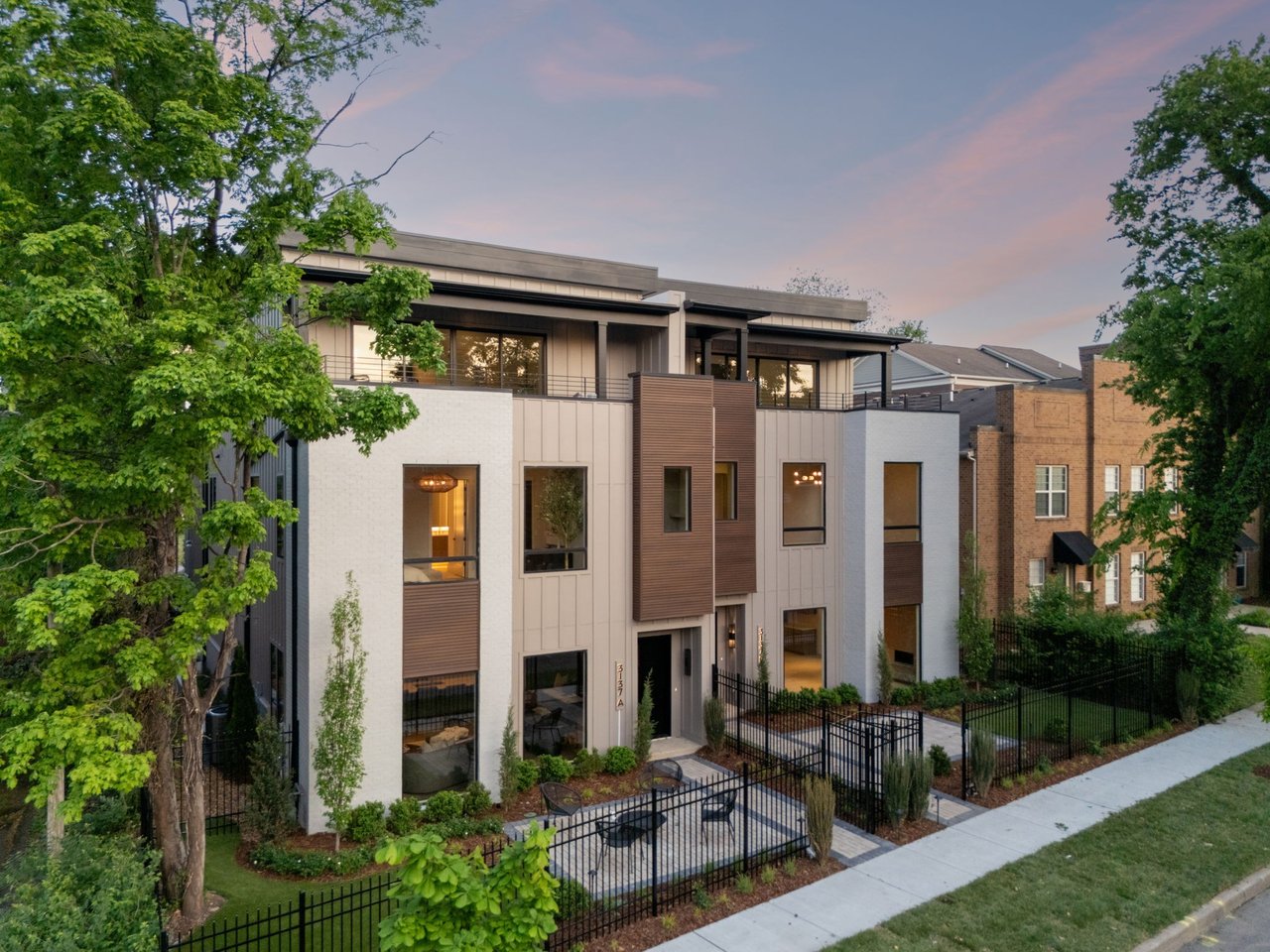
Two mirror-image luxury homes steps from Vanderbilt, Centennial Park, and West End's best dining

MPC Expertise
The licensed brokers, operations, and marketing team behind every transaction
Neighborhood
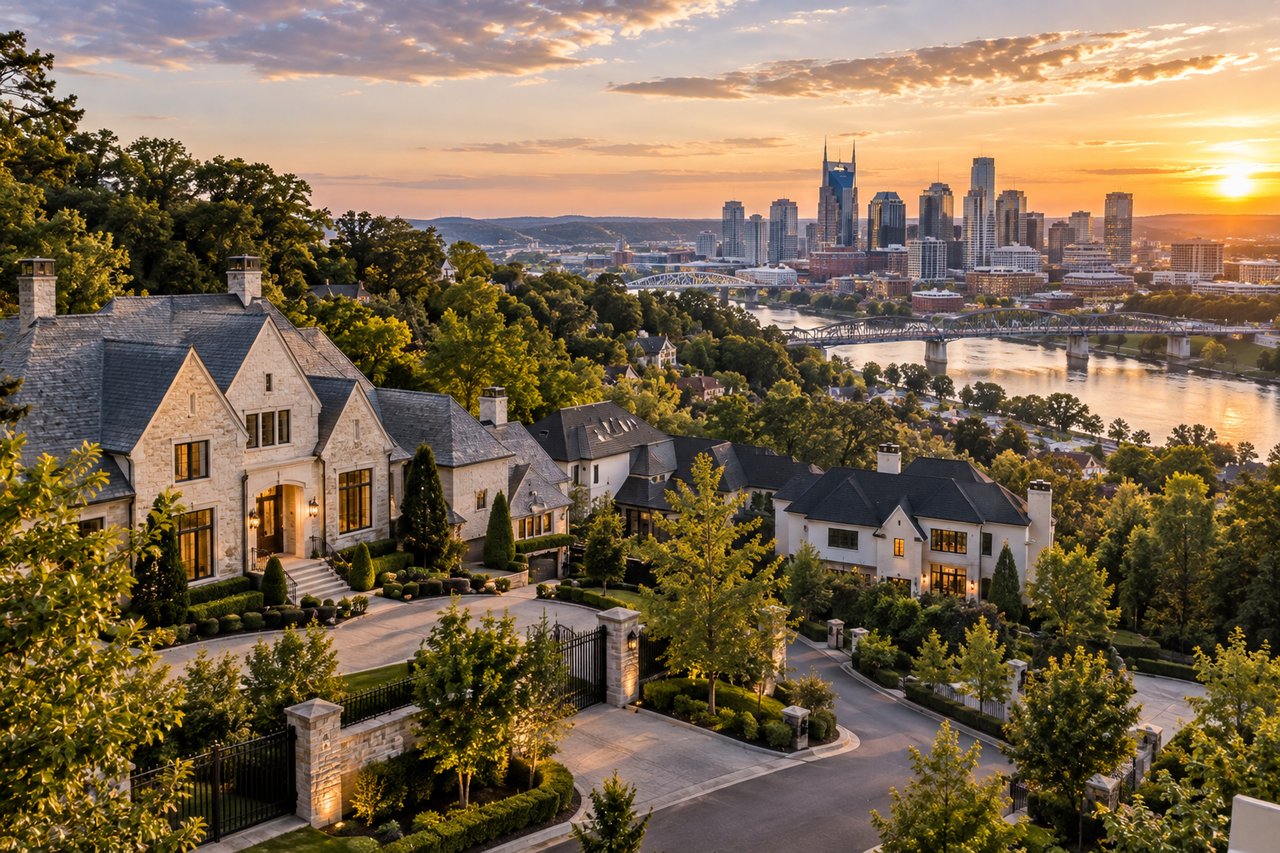
Where home values concentrate across Music City, from Green Hills to Berry Hill

Real Estate Market
What the September rate increase and today's mortgage rates mean for luxury buyers
Neighborhood
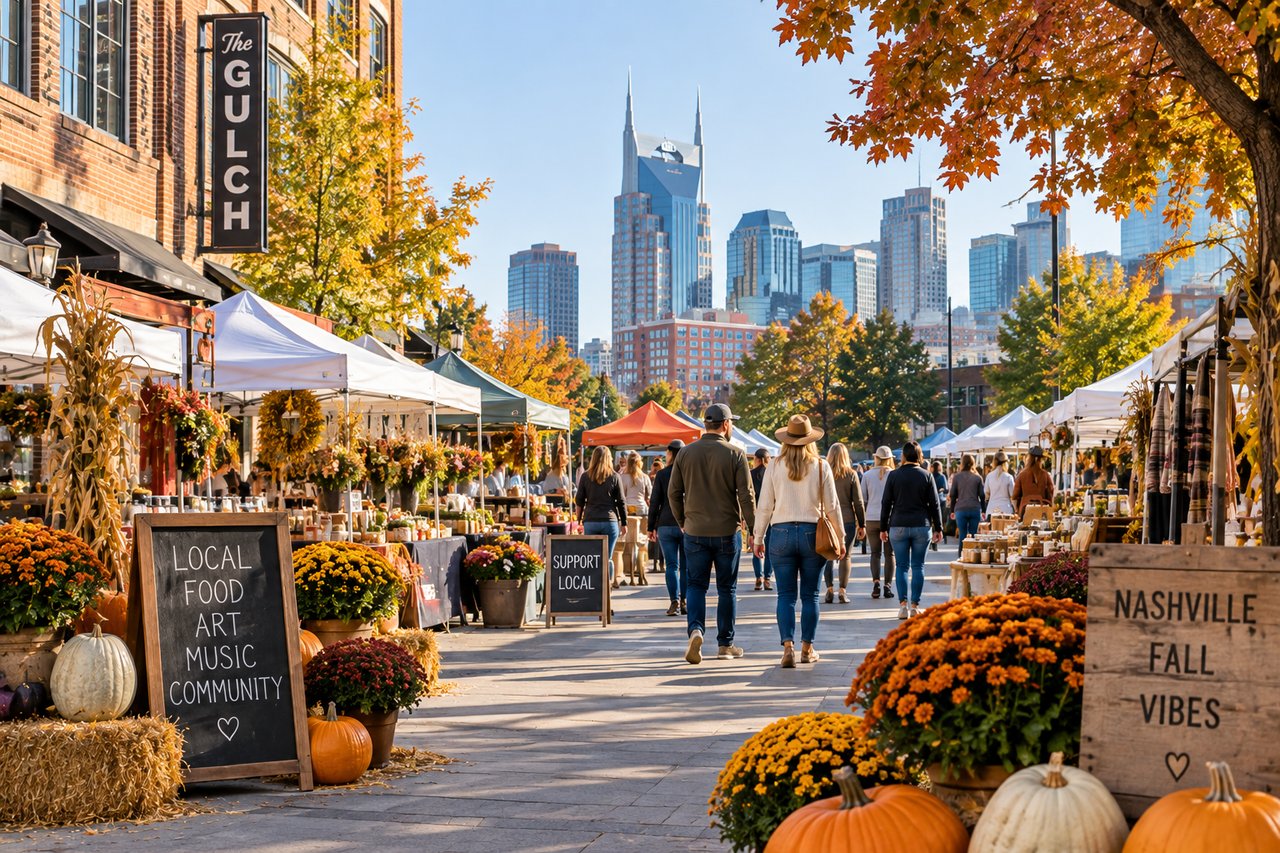
Where the season actually shows up in Middle Tennessee

Featured Listing
A room-by-room look at life above downtown Nashville
Real Estate Market
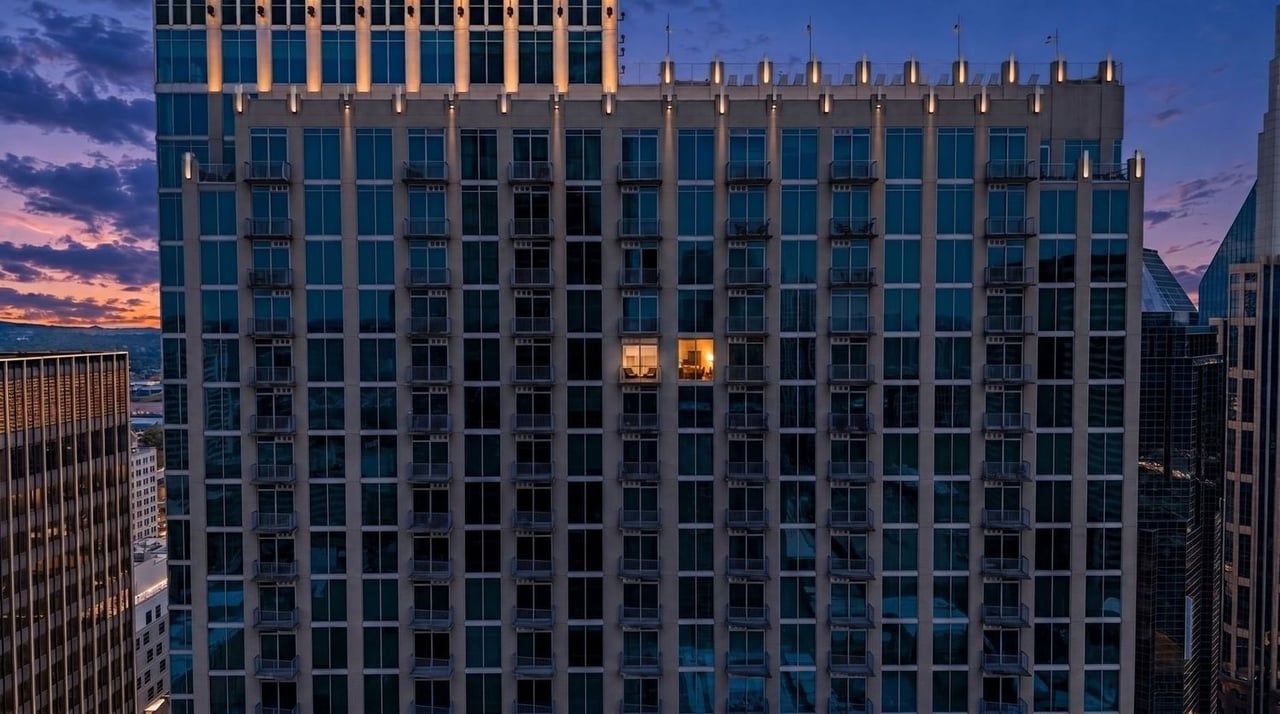
Concierge service, skyline views, and two decades as a downtown fixture
The client deserves the full service and attention that only a team of experts can consistently provide. Working with us, you will have the personal attention traditionally associated with the client-agent relationship improved by the professionalism and consistency of a thoughtful business model. And yes, superior results will follow!
MORRELL PROPERTY COLLECTIVE
(615) 593-3103
[email protected]
ADDRESS
3990 Hillsboro Pike, #320
Nashville, TN 37215