Buying a Second Home in Tennessee: Nashville or Knoxville?
Morrell Property Collective August 10, 2026
Buyers

Morrell Property Collective August 10, 2026
Buyers
A second home in Tennessee usually starts as a simple idea — a place to escape to, a smart addition to a portfolio, or a soft landing before a full relocation. The harder question is where, and what the rules actually are once you own it. Nashville and Knoxville both draw serious second-home interest, but they offer genuinely different experiences and are governed by different local rules, especially around rental income.
This matters more than it might seem. A second home purchased with an eye toward short-term rental income, for example, can run into very different zoning restrictions depending on which city — and even which zoning district — the property sits in. Financing terms also differ from a primary residence in ways worth understanding before you write an offer.
This post compares what Nashville and Knoxville each offer a second-home buyer, walks through the tax and financing basics that apply statewide, and flags the local rental rules that catch buyers off guard most often.
Key takeaways:
Tennessee has no state income tax on wages or investment income, which is one of the most consistent draws for second-home and relocating buyers statewide.
Nashville and Knoxville serve very different second-home buyers — one urban and culture-driven, the other lake- and mountain-adjacent.
Short-term rental rules differ sharply by city and by zoning district, and can determine whether a property can legally generate rental income at all.
Second-home mortgages carry different requirements than a primary residence loan, including how the property can and cannot be used.
The most consistent draw across both markets is statewide, not local: Tennessee has no state income tax on wages, salaries, or investment income. The state fully repealed its Hall Income Tax — which had taxed interest and dividend income — effective for tax periods beginning January 1, 2021, according to the Tennessee Department of Revenue. For buyers relocating from higher-tax states or building a second-home strategy around eventual full-time residency, that's a meaningful, durable factor rather than a market-cycle perk.
A Nashville second home tends to appeal to buyers who want culture, connectivity, and proximity to a major airport — frequent business travelers, buyers splitting time between cities, or those testing the waters before a full move. The appeal is concentrated in and around neighborhoods like Franklin, Brentwood, and Green Hills, where established luxury inventory sits alongside newer construction, and downtown is a short drive away rather than a plane ride.
Nashville's growth has also made resale and long-term value a real part of the second-home calculus here — buyers aren't just choosing a retreat, they're choosing an asset in one of the region's more closely watched markets.
Knoxville's second-home appeal is a different proposition entirely: it's the gateway to the Great Smoky Mountains and a cluster of TVA-managed lakes that have long attracted vacation and retirement buyers. McGhee-Tyson Airport sits about 45 miles from the Gatlinburg entrance to Great Smoky Mountains National Park, according to the National Park Service — close enough that a lake or mountain property near Knoxville can function as a genuine weekend retreat, not just an aspirational one.
Lake communities like Tellico Village, about 30 miles southwest of Knoxville on the Tellico Reservoir, illustrate the draw: planned amenities (golf, marina access) built around water, in a setting that reads more retreat than suburb.
If rental income is part of the plan, this is the section to read closely — the rules are not interchangeable between the two cities.
In Nashville, Metro Codes requires a permit before any property can be listed on a short-term rental platform, and the type of permit available depends heavily on zoning:
Owner-occupied permits are available in single- and two-family residential zoning, limited to one per lot, and require the owner to be a natural person living on-site.
Non-owner-occupied permits are prohibited outright in standard residential zoning districts (including R, RS, RM, and AR2A) and are only permitted in commercial or mixed-use zones — meaning a typical single-family second home in most Nashville neighborhoods cannot be legally rented short-term unless the owner lives there.
In Knoxville, the structure is different: a Type 1 (owner-occupied) permit is available in residential zoning to individual owners living on-site, while a Type 2 (non-owner-occupied) permit is available only in non-residential districts that still allow residential use — and any single person or entity is capped at holding two Type 2 permits citywide.
The takeaway for buyers: don't assume a property can be Airbnb'd just because similar homes nearby are listed. Zoning and permit type should be confirmed with the relevant city department before a purchase that depends on rental income.
Second-home mortgages are underwritten differently than primary-residence loans. Lenders generally require the property to be suitable for year-round occupancy, reasonably accessible from the buyer's primary residence, and used exclusively by the owner — not managed as a rental or handed to a property management company as the primary use case. Down payment and rate requirements for second homes are also typically less favorable than for a primary residence, and current terms should be confirmed directly with a lender rather than assumed. [VERIFY CURRENT DATA]
Only if the zoning and permit type allow it. Non-owner-occupied short-term rental permits are prohibited in Nashville's standard residential zoning districts, so most single-family second homes can only be rented short-term if the owner lives there; otherwise, the property would need to sit in a qualifying commercial or mixed-use zone.
No. Tennessee has no state income tax on wages, salaries, or investment income. The state's Hall Income Tax, which previously taxed interest and dividends, was fully repealed effective for tax periods beginning January 1, 2021.
Is Tennessee a good state to buy a second home? For buyers prioritizing no state income tax, geographic variety between mountains, lakes, and a major city, and generally strong long-term demand, Tennessee is a frequently considered option — though the right fit depends on whether you want an urban base or a lake/mountain retreat.
What's the real difference between Nashville and Knoxville for a second home? Nashville suits buyers who want culture, airport access, and urban connectivity; Knoxville suits buyers drawn to the Great Smoky Mountains and TVA lake communities. The lifestyle and rental-rule differences are significant enough to weigh carefully.
Can I rent my second home out part of the year to offset costs? Possibly, but only within the rules of the specific city and zoning district — confirm the permit type available for the property before assuming rental income is an option.
How much down payment do I need for a second home in Tennessee? Requirements vary by lender and loan product and are generally higher than for a primary residence; a current lender quote is the only reliable source, since guidelines and rates change. [VERIFY CURRENT DATA]
Why work with a specialist who knows both Nashville and Knoxville? The two markets have different inventory patterns, zoning rules, and buyer profiles — a team active in both can help you evaluate which market, and which specific property, actually fits your goals before you commit.
Decide what the second home is primarily for — retreat, eventual relocation, or income — since that answer should drive the market and property type you target.
If rental income matters, confirm the specific zoning and permit type for any property you're considering before making an offer.
Talk to a lender early about second-home loan terms, since they differ from a primary-residence mortgage in ways that affect budget and timeline.
Compare carrying costs — property taxes, insurance, and any HOA or community fees — for specific properties in each market rather than assuming they're similar.
Visit both markets in person if you're undecided; Nashville and Knoxville reward very different lifestyles.
A second home in Tennessee can be a retreat, an investment, or a bridge to full relocation — but Nashville and Knoxville aren't interchangeable answers to that question, and neither are their rules once you own the property. The right choice comes down to matching the market to what you actually want the home to do.
If you're weighing Nashville against Knoxville for a second home — or want a clear read on what a specific property's zoning would allow — Morrell Property Collective works both markets and can help you compare them directly. Reach out at (615) 593-3103.
Featured Listing
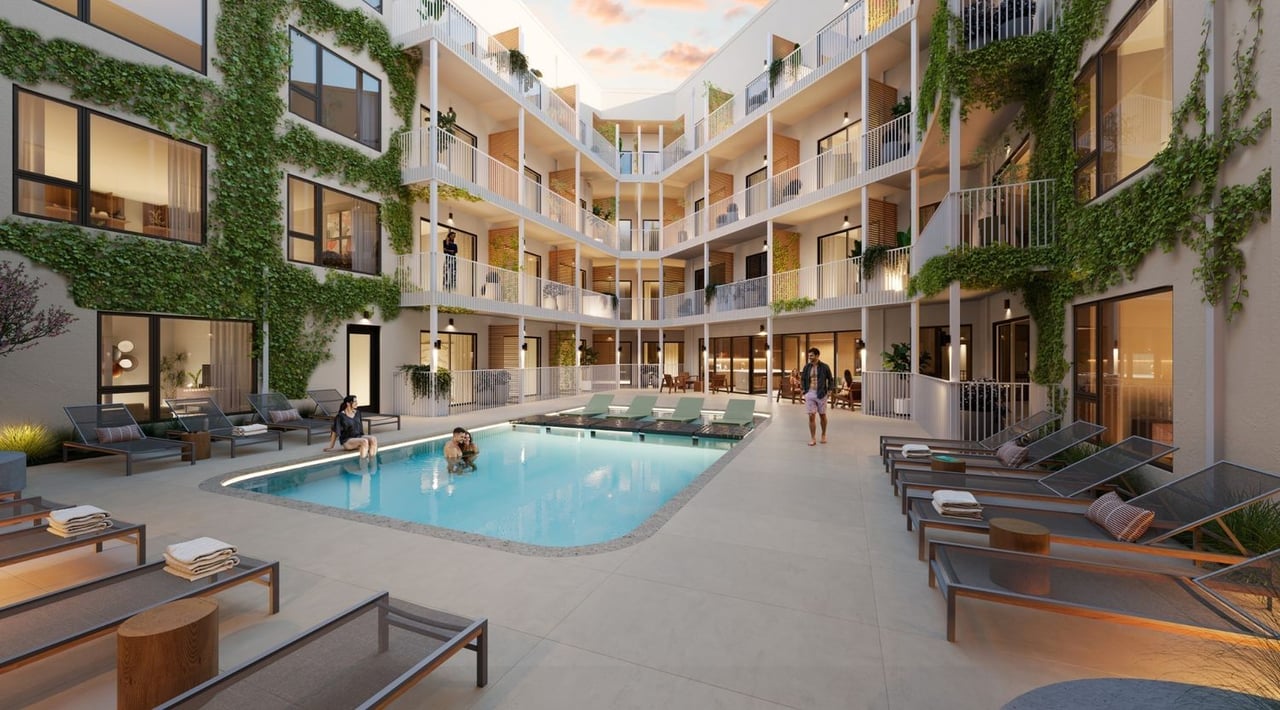
Inside The Modernest WeHo's current lineup, from a $309,900 studio to a $1.3 million three-bedroom
Buyers
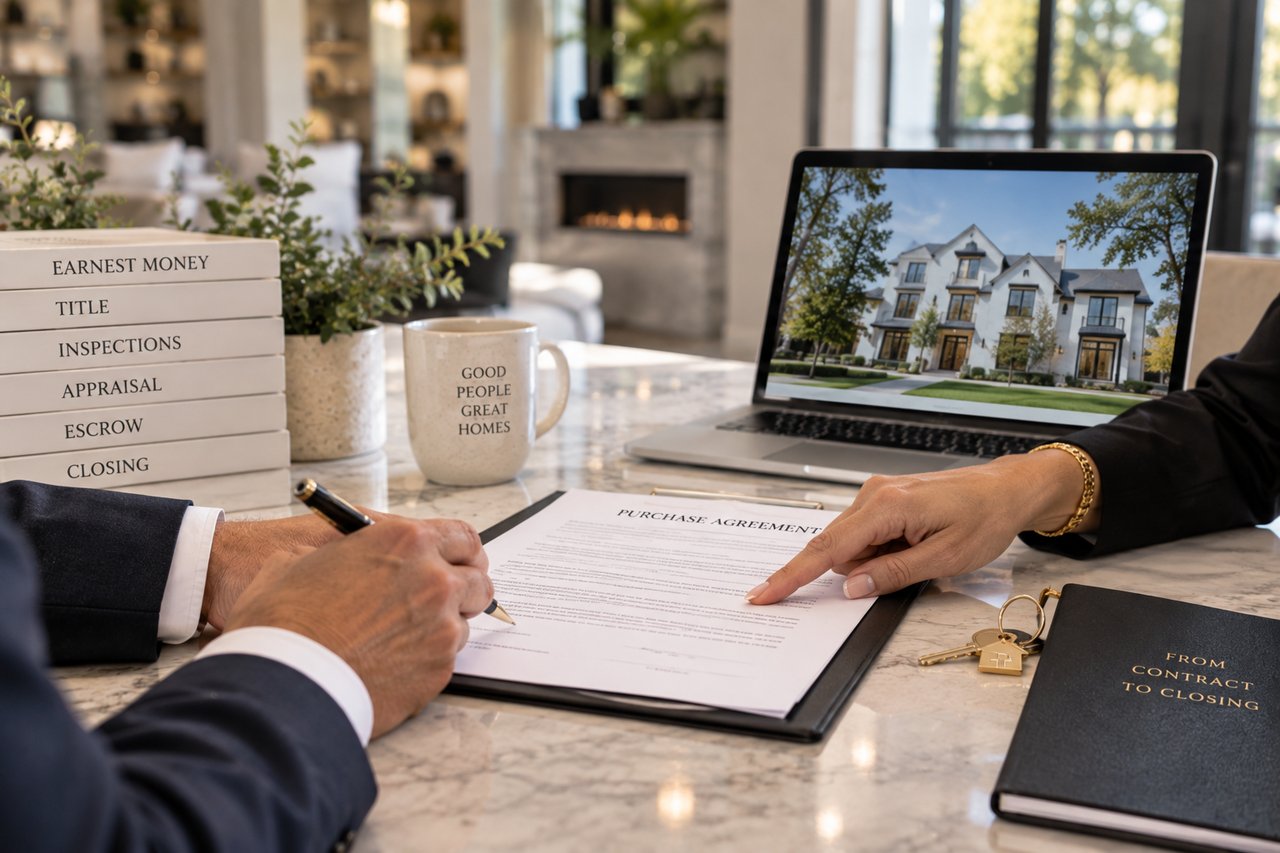
A step-by-step look at the weeks between a signed Tennessee contract and closing day
Featured Listing
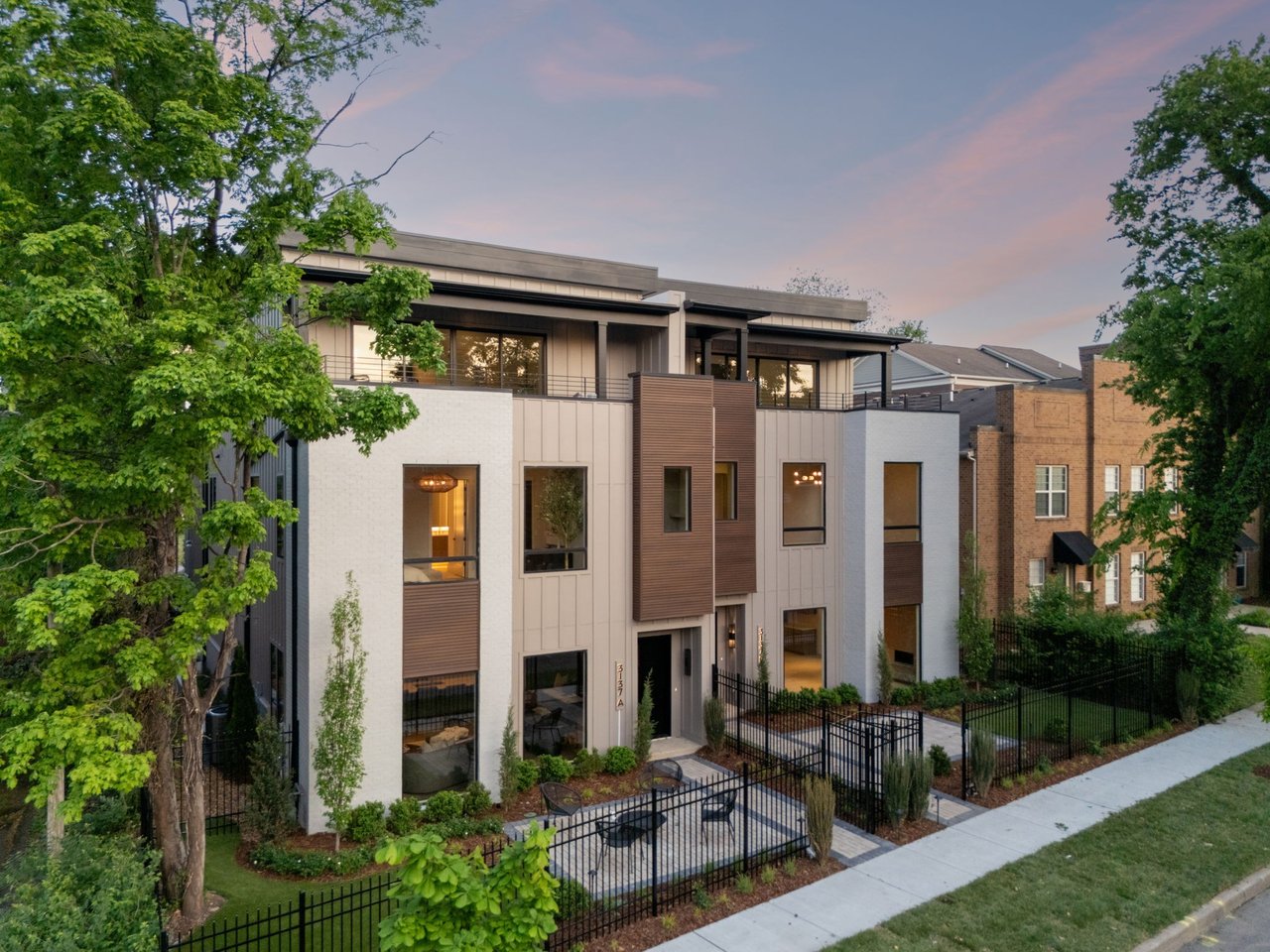
Two mirror-image luxury homes steps from Vanderbilt, Centennial Park, and West End's best dining

MPC Expertise
The licensed brokers, operations, and marketing team behind every transaction
Neighborhood
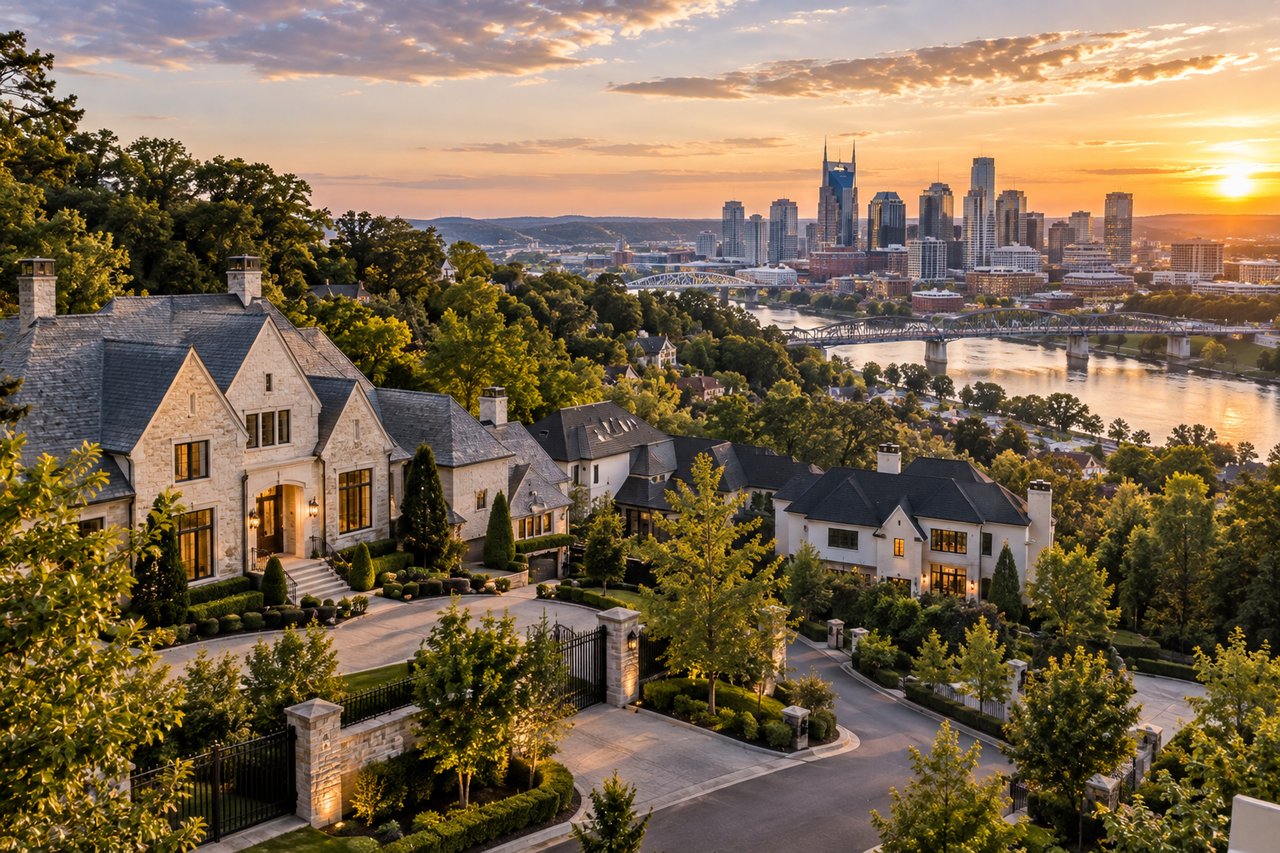
Where home values concentrate across Music City, from Green Hills to Berry Hill

Real Estate Market
What the September rate increase and today's mortgage rates mean for luxury buyers
Neighborhood
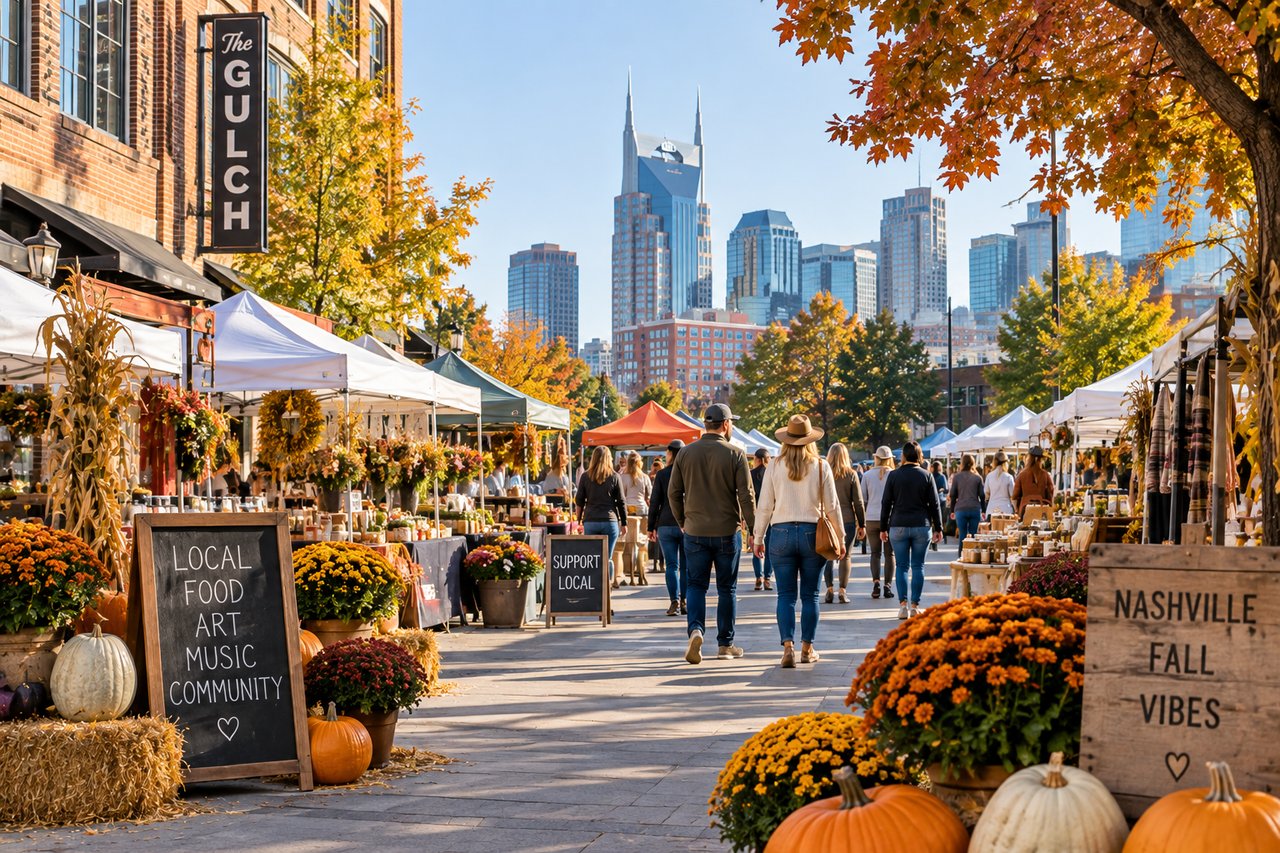
Where the season actually shows up in Middle Tennessee

Featured Listing
A room-by-room look at life above downtown Nashville

Real Estate Market
Concierge service, skyline views, and two decades as a downtown fixture
The client deserves the full service and attention that only a team of experts can consistently provide. Working with us, you will have the personal attention traditionally associated with the client-agent relationship improved by the professionalism and consistency of a thoughtful business model. And yes, superior results will follow!
MORRELL PROPERTY COLLECTIVE
(615) 593-3103
[email protected]
ADDRESS
3990 Hillsboro Pike, #320
Nashville, TN 37215