What to Expect During a Luxury Home Inspection in Nashville & Knoxville
Morrell Property Collective August 14, 2026
MPC Expertise
Morrell Property Collective August 14, 2026
MPC Expertise
If you're under contract on a luxury property in Nashville or Knoxville, the inspection is the moment the house stops being a listing and starts being examined, system by system, room by room. For buyers, it's the best chance to understand exactly what you're taking on. For sellers, it's the moment your home gets put under a microscope—so knowing what's coming helps you prepare rather than react.
A luxury home inspection covers the same fundamentals as any other: roof, foundation, electrical, plumbing, HVAC. But estates in neighborhoods like Belle Meade, Forest Hills, and Governor's Club, or Knoxville's Sequoyah Hills and Cherokee Bluff, often come with additional systems and square footage that make the process longer, more specialized, and worth understanding in advance.
This post walks through how a luxury inspection differs from a standard one, which specialty inspections are common, how long the process takes, and what happens after the report lands.
Luxury inspections cover everything a standard inspection does, plus specialty systems like pools, wells, septic, generators, and home automation—each of which may need its own specialist.
Larger homes and more systems mean longer inspection windows; budget more time than you would for a typical single-family home.
The inspection report is a negotiating tool, not a pass/fail test—most findings lead to a conversation, not a canceled contract.
Sellers of high-end homes often benefit from a pre-listing inspection to catch issues before a buyer's inspector does.
The core inspection—structure, roof, electrical panel, plumbing, HVAC, grading and drainage—is the same regardless of price point. What changes in a luxury home is scale and complexity. A 3,000-square-foot house might have one HVAC zone; an 8,000-square-foot estate might have four or five, each needing its own check. Multiple water heaters, redundant electrical subpanels, elaborate outdoor kitchens, and detached guest houses or carriage houses all add time and often require their own line items in the report.
Older luxury homes—particularly historic properties in established Nashville neighborhoods—bring another layer: original materials, older wiring or plumbing that may have been partially updated, and construction methods a modern inspector needs specific experience to evaluate fairly. It's worth asking your inspector directly about their experience with homes of a similar age and scale before you hire them.
A general home inspector typically isn't certified to fully evaluate every system in a high-end property. Depending on what the home includes, you may want to add:
Pool and spa inspection — equipment, structural condition, and safety features, done by a pool-specific inspector rather than the general home inspector.
Well and septic inspection — common on larger lots outside city water and sewer service; septic capacity matters if you're planning additions or a larger household.
Generator and backup power systems — increasingly common in luxury homes and worth a functional test, not just a visual check.
Home automation and AV systems — smart lighting, security, and integrated audio/video are expensive to replace or repair and benefit from a specialist's eyes.
Elevators — some multi-story luxury homes include a residential elevator, which typically needs its own licensed inspection.
Detached structures — guest houses, pool houses, and barns should each be inspected as their own structure, not assumed to follow the main house's condition.
Your agent can help you figure out, based on the specific property, which of these actually apply—not every luxury home needs all of them.
Where a standard inspection might take two to three hours, a large estate with multiple specialty systems can easily take a full day, sometimes spread across more than one visit if separate specialists are involved. Build that into your timeline rather than assuming it wraps up in an afternoon.
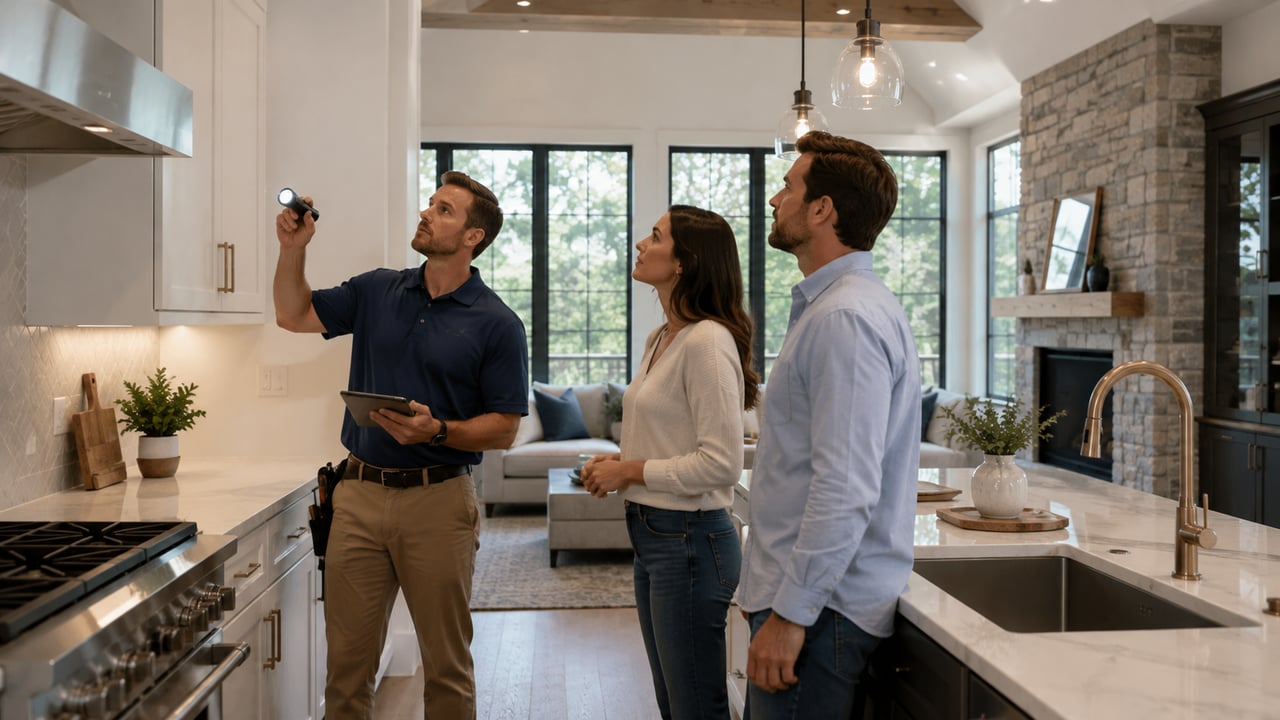
Buyers are almost always welcome to attend, and for a luxury property, it's worth making the time. Walking the home with the inspector—rather than only reading the report afterward—gives you context for how serious an issue really is and a chance to ask questions on the spot.
The inspection report isn't a verdict; it's a starting point for conversation. Most reports turn up a mix of minor maintenance items and a smaller number of things worth negotiating—repairs, a credit at closing, or a price adjustment. Your agent's job at this stage is to help you separate normal wear on a large, complex property from something that should genuinely change the deal.
For sellers, a pre-listing inspection can shift this dynamic in your favor. Addressing issues before the home goes on the market—or at least knowing about them ahead of time—means fewer surprises during the buyer's inspection and less renegotiating leverage on the other side of the table.
A luxury home inspection typically takes four to eight hours or more, depending on square footage and the number of specialty systems involved. Homes with pools, wells, septic systems, generators, or detached structures often require additional visits from specialists beyond the general inspector, which can extend the process over more than one day.
Beyond the standard checklist—roof, foundation, electrical, plumbing, HVAC—luxury inspections often add pool and spa equipment, well and septic systems, backup generators, home automation and AV systems, elevators, and detached structures like guest houses. Whether each applies depends on what the specific property includes.
Do I need to hire separate specialists, or does the general inspector handle everything? Most general home inspectors aren't certified to fully evaluate pools, wells, septic systems, elevators, or smart-home automation. Your agent can help identify which specialists a given property needs based on its systems, then coordinate scheduling so everyone can work around the same visit where possible.
What counts as a "luxury" home in Nashville or Knoxville? There's no single price cutoff—it depends on the neighborhood and property type. In general, luxury in this market means distinctive architecture, larger lots, high-end finishes, and locations in sought-after areas like Belle Meade, Forest Hills, or Governor's Club in Nashville, and Sequoyah Hills or Cherokee Bluff in Knoxville.
Can I still negotiate after a luxury home inspection? Yes. Inspection findings commonly lead to requests for repairs, closing credits, or price adjustments. What's negotiable depends on your contract's inspection contingency terms, so it's worth reviewing those with your agent before the inspection even happens.
Why does it matter to work with an agent who specializes in luxury properties? Luxury transactions involve more moving pieces—specialty systems, historic details, and often more complex negotiations—than a typical sale. An agent experienced in this segment knows which inspections to recommend, which findings are typical for a home of that age and scale, and how to negotiate accordingly.
Should I still attend the inspection if I'm buying long-distance or relocating? If you can't attend in person, ask whether your inspector allows a video walkthrough or a follow-up call to go through findings together. For relocating buyers, this conversation is often more valuable than the written report alone, since it lets you ask questions in real time.
If you're buying:
Ask your agent which specialty inspections apply to the specific property before scheduling anything.
Block out a full day, and attend in person if you can.
Review your contract's inspection contingency period before the inspection so you know your negotiating window.
If you're selling:
Consider a pre-listing inspection to catch issues before a buyer's inspector does.
Have service records handy for pools, generators, HVAC systems, and any wells or septic systems.
Talk to your agent about which findings are typical for your home's age and systems, so you can price and market accordingly.
A luxury home inspection isn't something to be anxious about—it's simply more thorough, because the homes are more complex. Knowing which specialty inspections apply, budgeting enough time, and treating the report as a negotiating tool rather than a final verdict will keep the process from feeling overwhelming.
If you're buying or selling a luxury property in Nashville or Knoxville and want help figuring out exactly what your inspection should cover, Morrell Property Collective is happy to walk you through it. Call us at (615) 593-3103 to talk through your specific property before you schedule anything.
Featured Listing
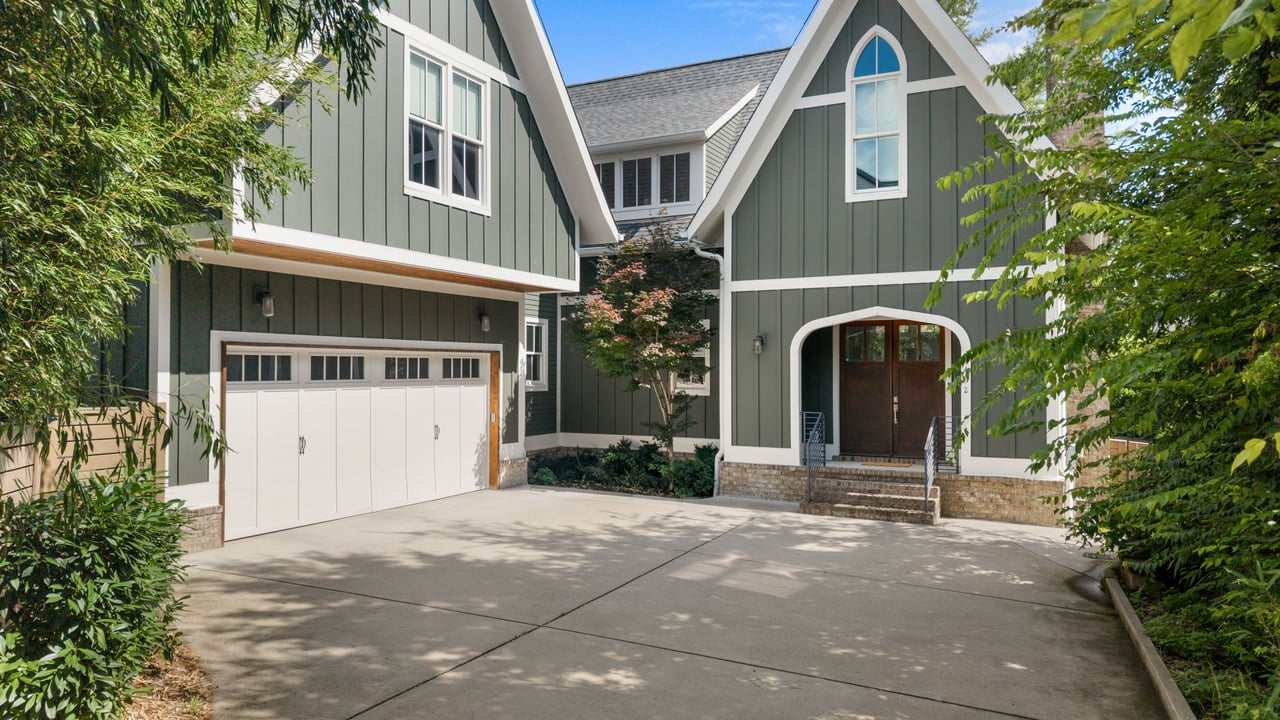
A 2017 Tudor with fresh 2025 updates, a private putting green and an easy connection to 12 South, Green Hills and Nashville's top universities

Buyers
A day-by-day look at what happens once your Nashville luxury home goes live, and why the first seven days matter so much
Featured Listing
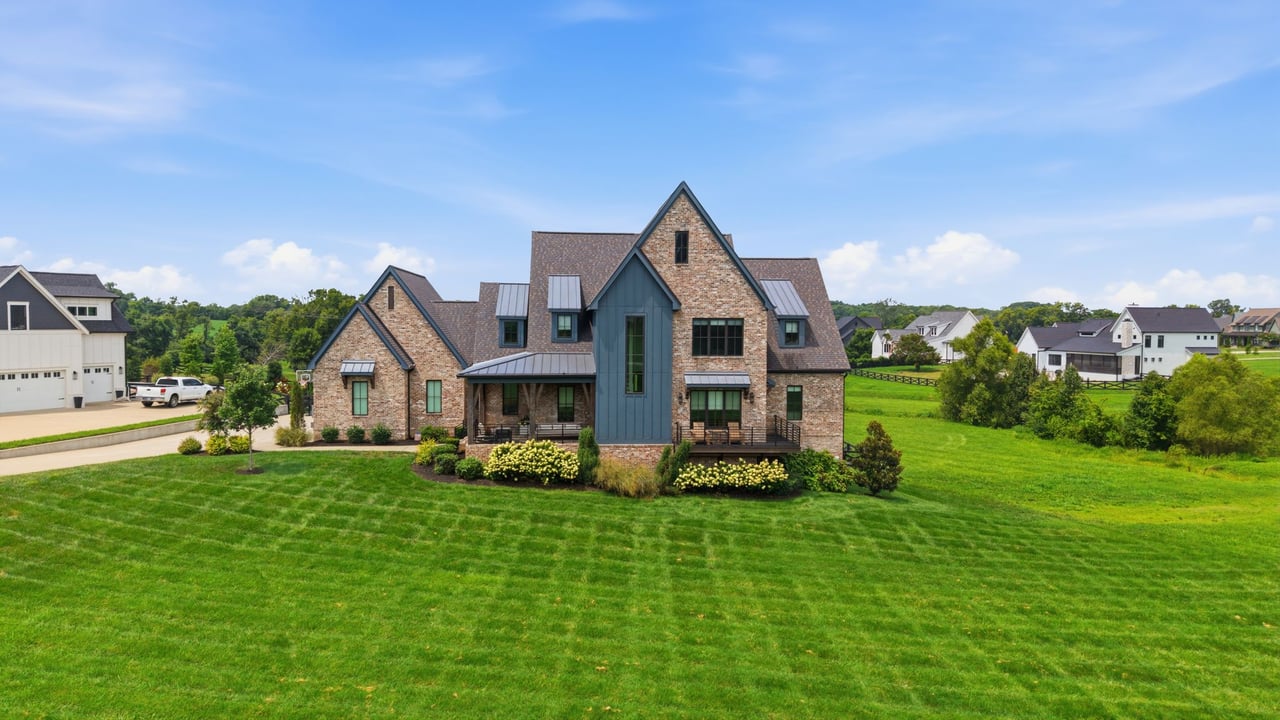
A 2022-built estate on 1.21 private acres, with a pool, a basement tornado shelter, and its own chicken coop
Buyers
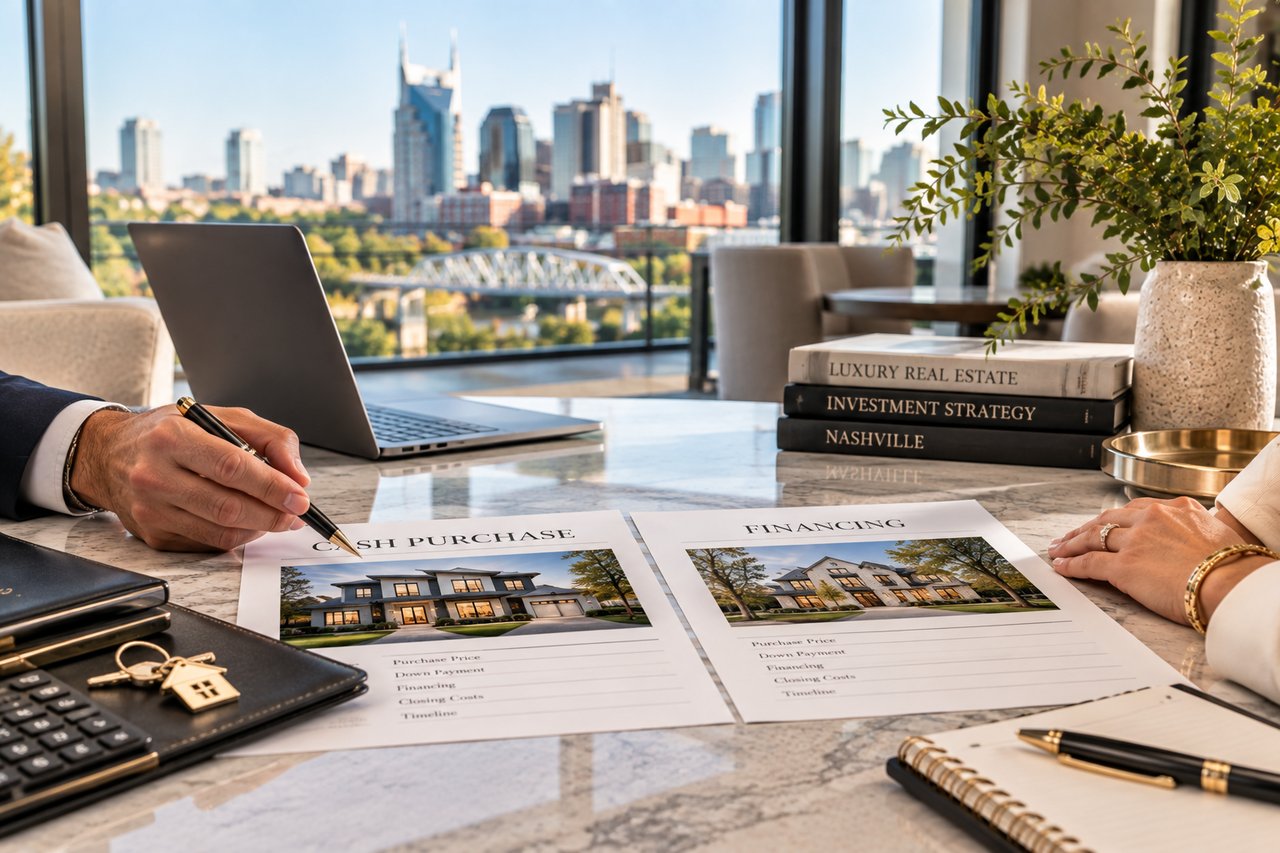
Why paying cash isn't always the smartest move, even for buyers who can afford to
Featured Listing
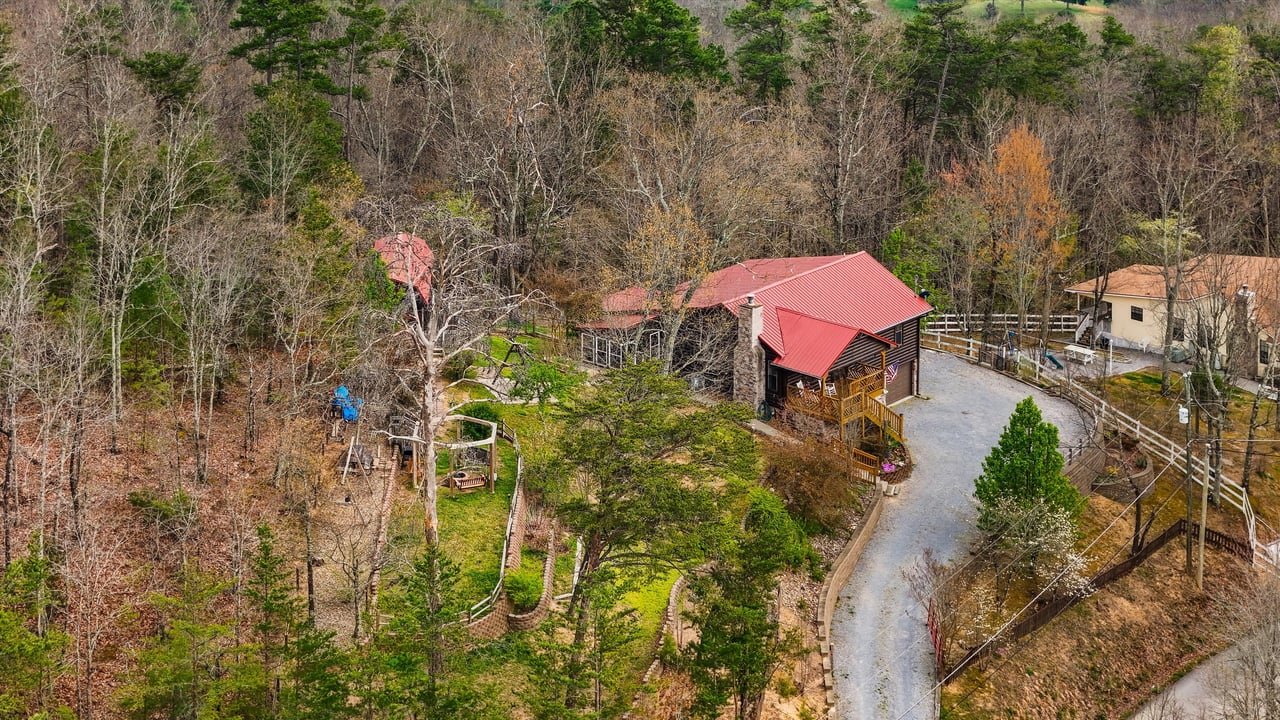
A furnished, proven Airbnb cabin with mountain views, priced at $525,000
Featured Listing
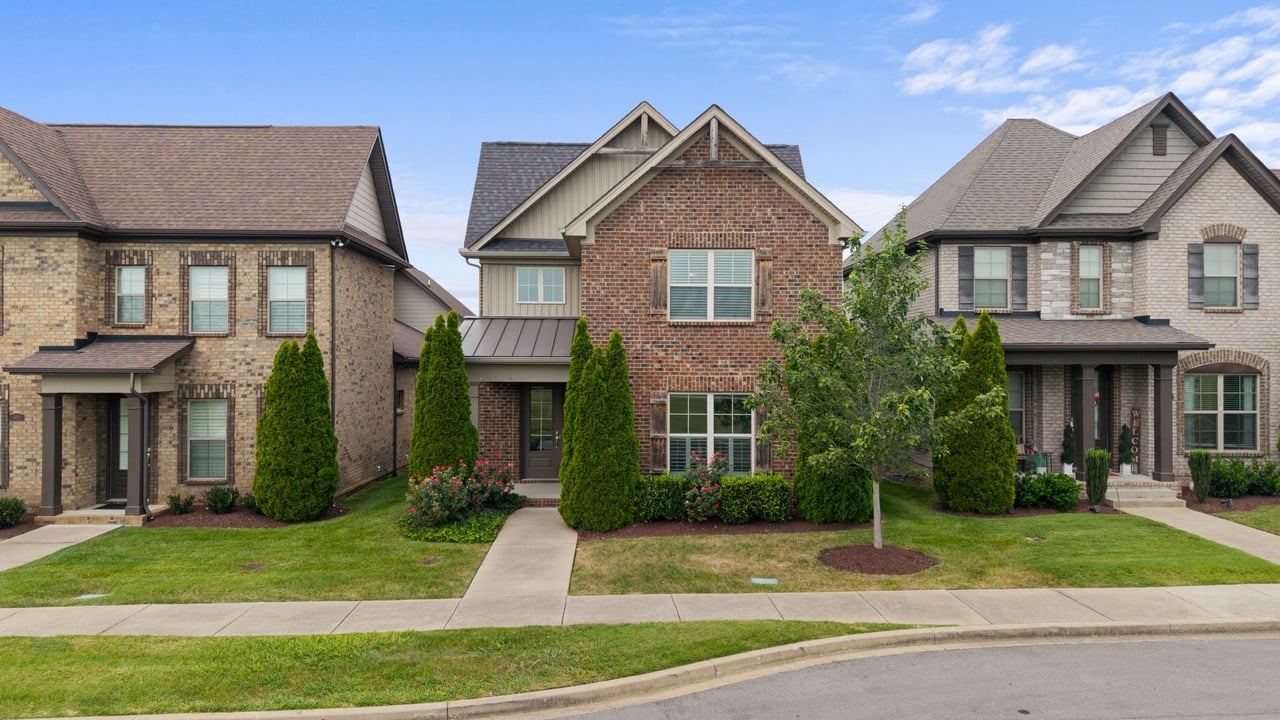
Why Old Hickory Lake's south shore is drawing buyers who want lake life without leaving Nashville behind

Neighborhood
Why Old Hickory Lake's south shore is drawing buyers who want lake life without leaving Nashville behind

Featured Listing
Inside The Modernest WeHo's current lineup, from a $309,900 studio to a $1.3 million three-bedroom
Buyers
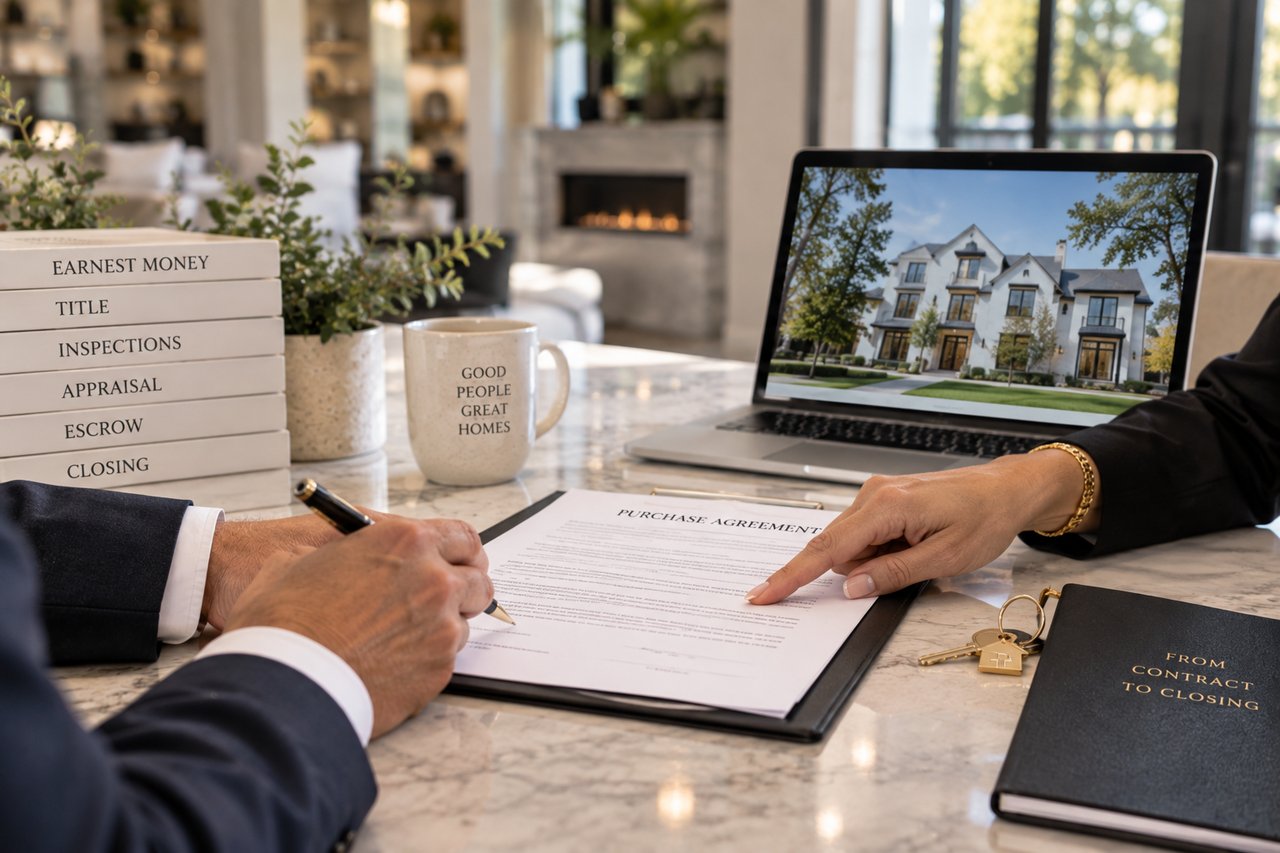
A step-by-step look at the weeks between a signed Tennessee contract and closing day
The client deserves the full service and attention that only a team of experts can consistently provide. Working with us, you will have the personal attention traditionally associated with the client-agent relationship improved by the professionalism and consistency of a thoughtful business model. And yes, superior results will follow!
MORRELL PROPERTY COLLECTIVE
(615) 593-3103
[email protected]
ADDRESS
3990 Hillsboro Pike, #320
Nashville, TN 37215