What Determines Luxury Home Value in Nashville & Knoxville?
Morrell Property Collective August 17, 2026
Nashville
Morrell Property Collective August 17, 2026
Nashville
Every luxury buyer eventually asks some version of the same question: why does this $4 million home feel worth every dollar, while a similarly sized one down the street doesn't? The answer rarely comes down to square footage alone. It's a combination of land, craftsmanship, condition, and context that's harder to quantify but easy to feel the moment you walk in.
That question matters right now in Nashville and Knoxville, where the luxury tier has grown more sophisticated. Buyers relocating from larger coastal markets often arrive with sharp comparison instincts, and long-time local sellers sometimes assume that a big number attached to a big house is enough. It usually isn't.
This guide breaks down the factors that actually move the needle on luxury home value, with examples from the neighborhoods where Morrell Property Collective works most often.
In the luxury tier, location isn't just a neighborhood name — it's privacy, topography, and how the lot itself is used. Nashville's Belle Meade, for example, is the wealthiest city in Tennessee by median household income, according to U.S. Census Bureau data cited on record, and its value is built on generous lots, mature tree canopy, and a setting that still feels rural minutes from downtown.
Neighboring Forest Hills follows the same pattern on a larger scale, with many properties on one- to two-acre lots along corridors like Hillsboro Pike. Land, not just structure, is a huge part of what buyers are paying for in these areas.
In Knoxville, Sequoyah Hills shows a different version of the same principle: value tied to a riverfront peninsula setting, mature architecture, and lot-size restrictions that have preserved a low-density, estate-like feel since the 1920s. Farragut, west of downtown Knoxville, built its affluent reputation on a similar formula of space, schools, and privacy.
Once land and location are established, the build itself carries the next layer of value. Solid stone, brick, or masonry construction, custom millwork, real hardwood floors, and thoughtful architectural detail hold value in a way that builder-grade finishes never do — even when the square footage on paper looks identical.
This is also where a home's design pedigree can matter. Homes built or renovated by well-regarded local architects and builders often carry a premium, because buyers are paying for a level of design intent that's difficult and expensive to replicate.
Today's luxury buyer expects the unglamorous stuff to already be handled: updated HVAC and electrical systems, a newer roof, quality windows, and integrated smart-home technology for security, lighting, and climate control. A stunning kitchen next to an aging HVAC system is a red flag, not a luxury signal.
Move-in-ready condition has become a bigger driver of value than it once was. Many luxury buyers today have the means to build custom but not always the time or appetite for a lengthy renovation, so a home that's already updated can command a real premium over one that needs work — even at a similar price per square foot.
Pools, outdoor kitchens, covered living spaces, home theaters, wine cellars, and guest or in-law suites all add value, but only when they're well-built and match the home's overall caliber. A poorly integrated addition can actually hurt value more than having no amenity at all.
Outdoor living has become especially important in Middle and East Tennessee, where mild shoulder seasons make covered patios, pools, and outdoor kitchens genuinely usable for much of the year — not just a showpiece.
In the luxury tier, scarcity is one of the most overlooked value drivers. A rare lot size, an unobstructed view, direct water access, or simply being one of a handful of comparable homes in a neighborhood can push value well beyond what a standard price-per-square-foot formula would suggest.
This is also why luxury homes are harder to price with a simple online estimate. When there are only a few truly comparable sales, valuation depends heavily on local expertise and a clear read on what buyers in that specific tier are actually competing for.
There's no single national price point that defines luxury. Most valuation experts, including the Institute for Luxury Home Marketing, define the luxury tier locally — typically the top slice of a given market — because a "luxury" price in one city can be an entry-level home in another. In Nashville and Knoxville, that threshold has moved up in recent years as both markets have grown, so it's worth confirming the current local benchmark rather than relying on an old number.
Yes — in the luxury tier, land is often as valuable as the structure on it. Larger, usable, and private lots support the setting, views, and outdoor amenities that high-end buyers pay for. Neighborhoods like Forest Hills and Sequoyah Hills built their reputations partly on generous lot sizes that are difficult to replicate today.
What actually qualifies a home as "luxury" in Nashville or Knoxville? It's a mix of price relative to the local market, land, craftsmanship, and setting — not a fixed number. A home can be priced high without being luxury, and a smaller, exceptionally built home can qualify even without the biggest price tag on the block.
Does a bigger house automatically mean more value? No. Beyond a certain size, buyers in the luxury tier are paying more for land, privacy, design quality, and condition than for additional square footage alone.
How much do renovations typically add to a luxury home's value? It varies by project and market, but updates that improve daily livability — kitchens, primary suites, systems, and outdoor living — tend to hold value better than purely cosmetic changes. A local comparative market analysis is the most reliable way to estimate return for a specific property.
How long do luxury homes typically take to sell compared to the overall market? Luxury homes generally take longer to sell than the broader market because the buyer pool is smaller and more selective. Exact timelines shift with inventory and season, so current data should be checked against recent local sales.
Why work with a luxury specialist instead of a general agent? Luxury properties are harder to comp, market, and negotiate because there are fewer truly comparable sales. A specialist who tracks the luxury segment closely can price more accurately and position a home to the right buyer pool.
Luxury home value isn't one number or one feature — it's the sum of land, craftsmanship, condition, and scarcity working together in a specific local context. Understanding which of those factors matters most for a given property is what separates an accurate valuation from a guess.
If you're trying to understand what your Nashville or Knoxville property is really worth — or what to look for as you search for your next one — Morrell Property Collective can walk through the specific factors at play in your situation. Call us at (615) 593-3103 to talk through your property or your search.
Featured Listing
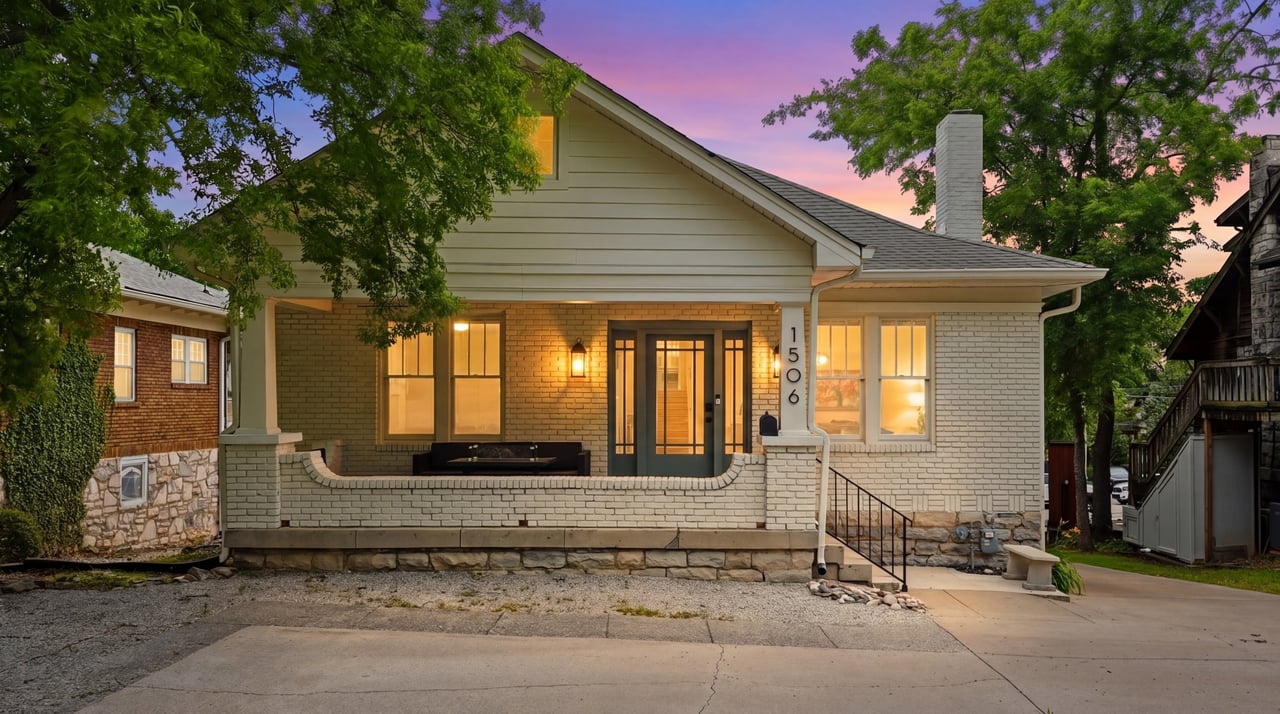
A 1925 home with a former recording studio, a main-level primary suite and the flexibility to live, work or create in one of Nashville's most walkable locations
Real Estate Market
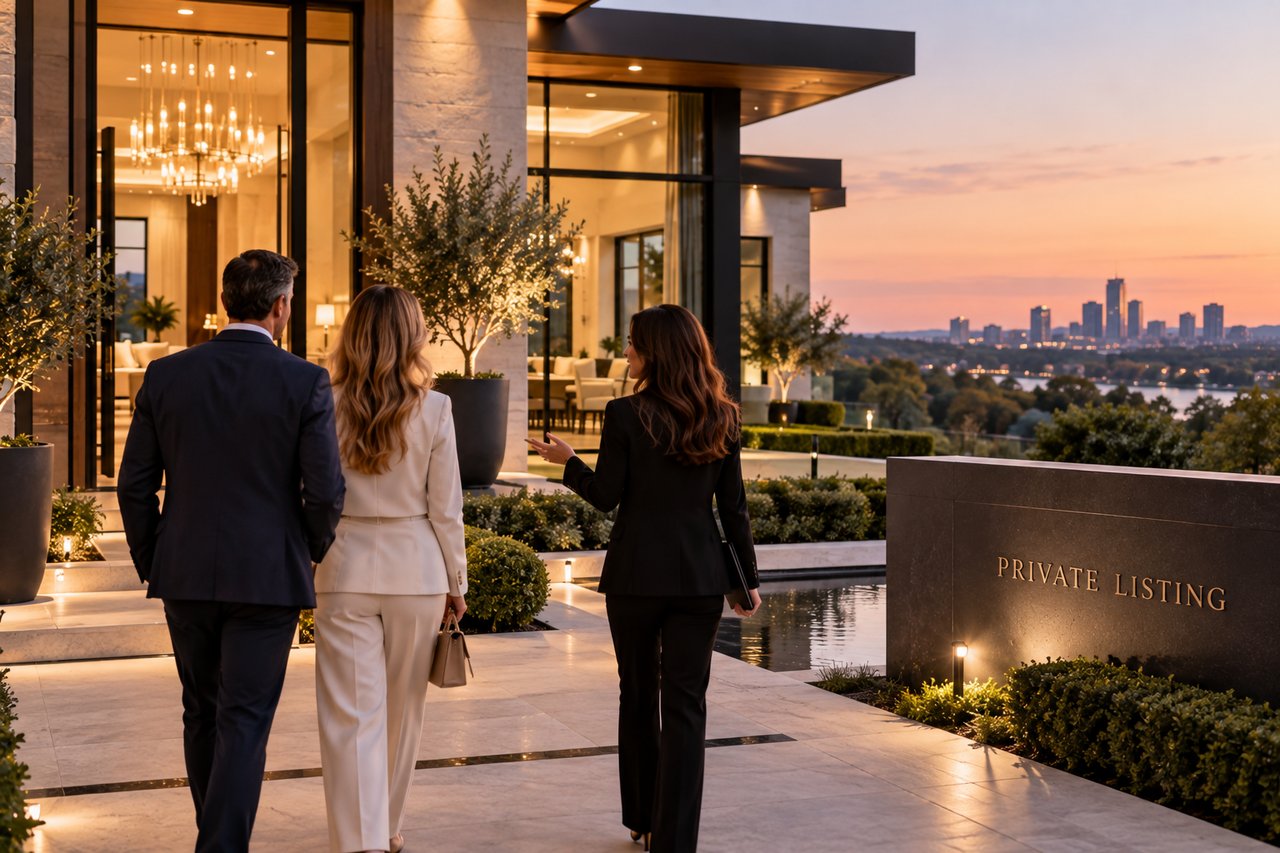
The privacy, pricing and buyer-pool reasons behind Nashville's quiet luxury sales, plus the trade-offs to weigh
Featured Listing
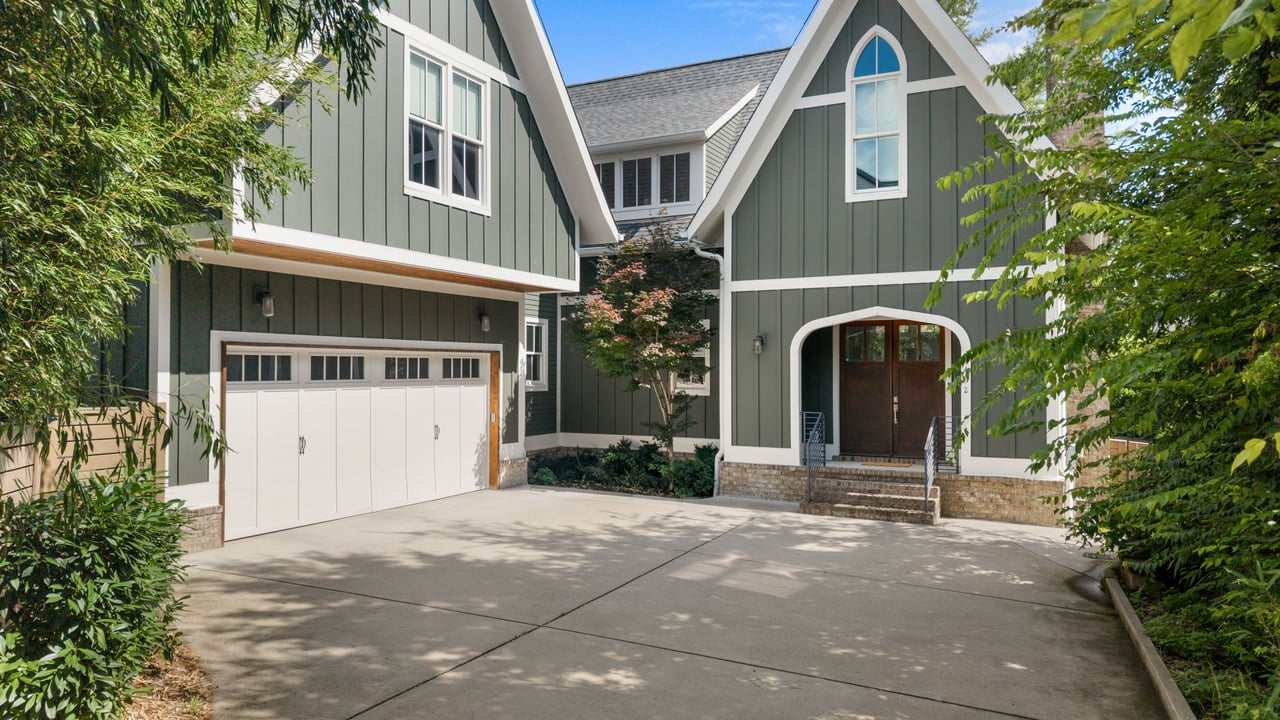
A 2017 Tudor with fresh 2025 updates, a private putting green and an easy connection to 12 South, Green Hills and Nashville's top universities
Buyers
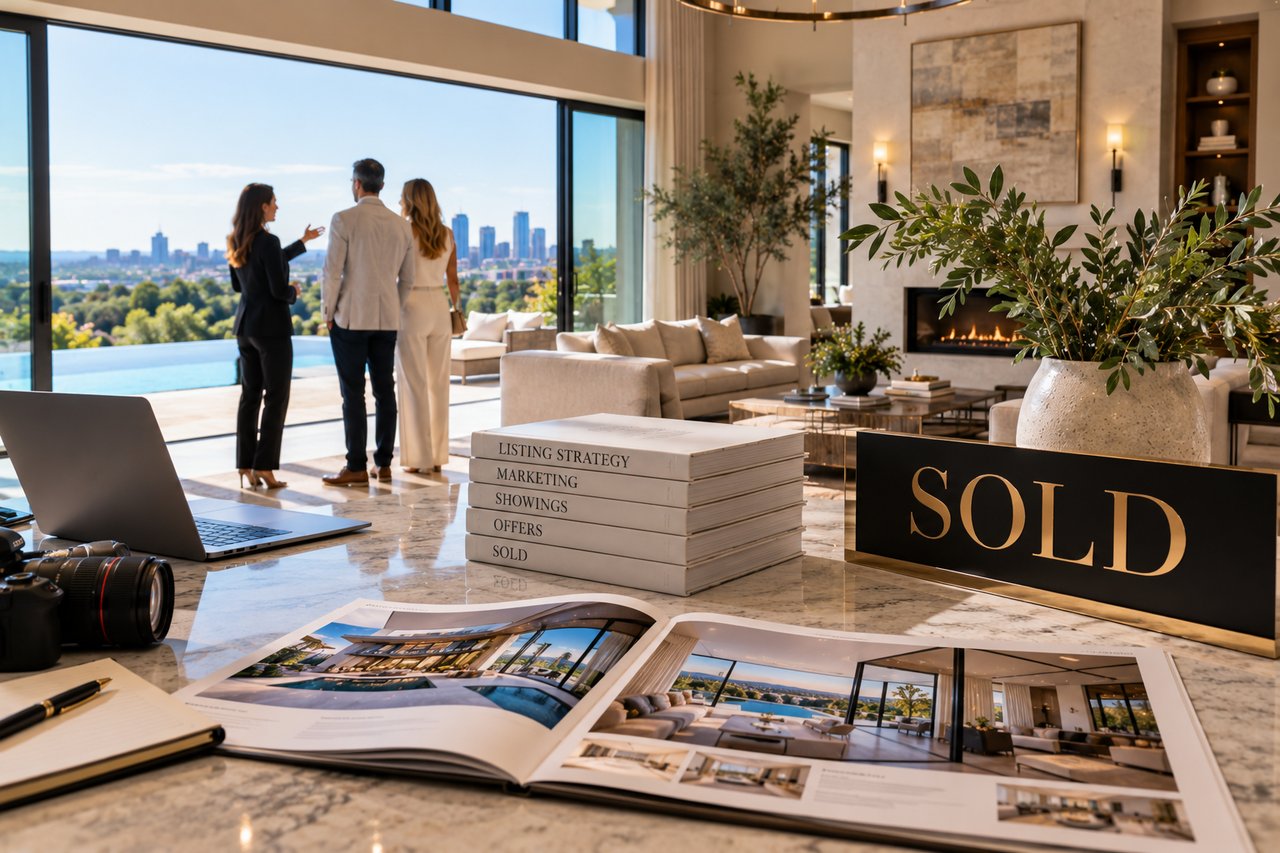
A day-by-day look at what happens once your Nashville luxury home goes live, and why the first seven days matter so much
Featured Listing
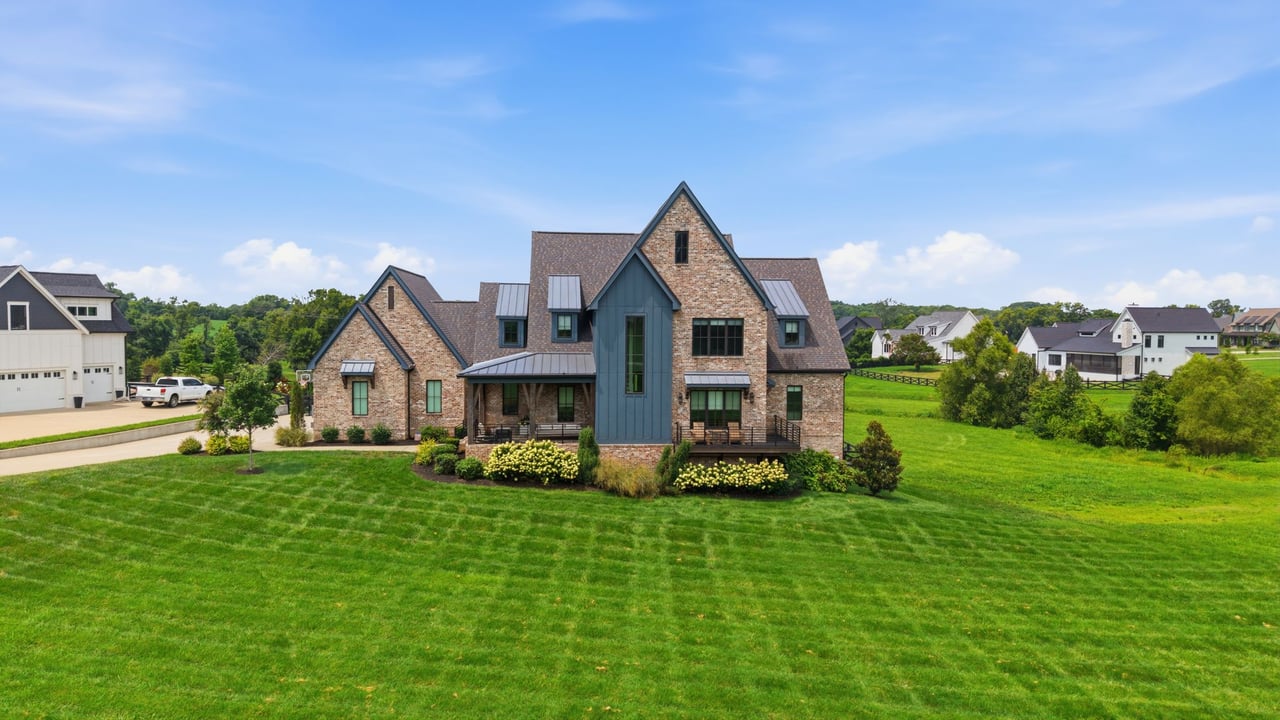
A 2022-built estate on 1.21 private acres, with a pool, a basement tornado shelter, and its own chicken coop
Buyers
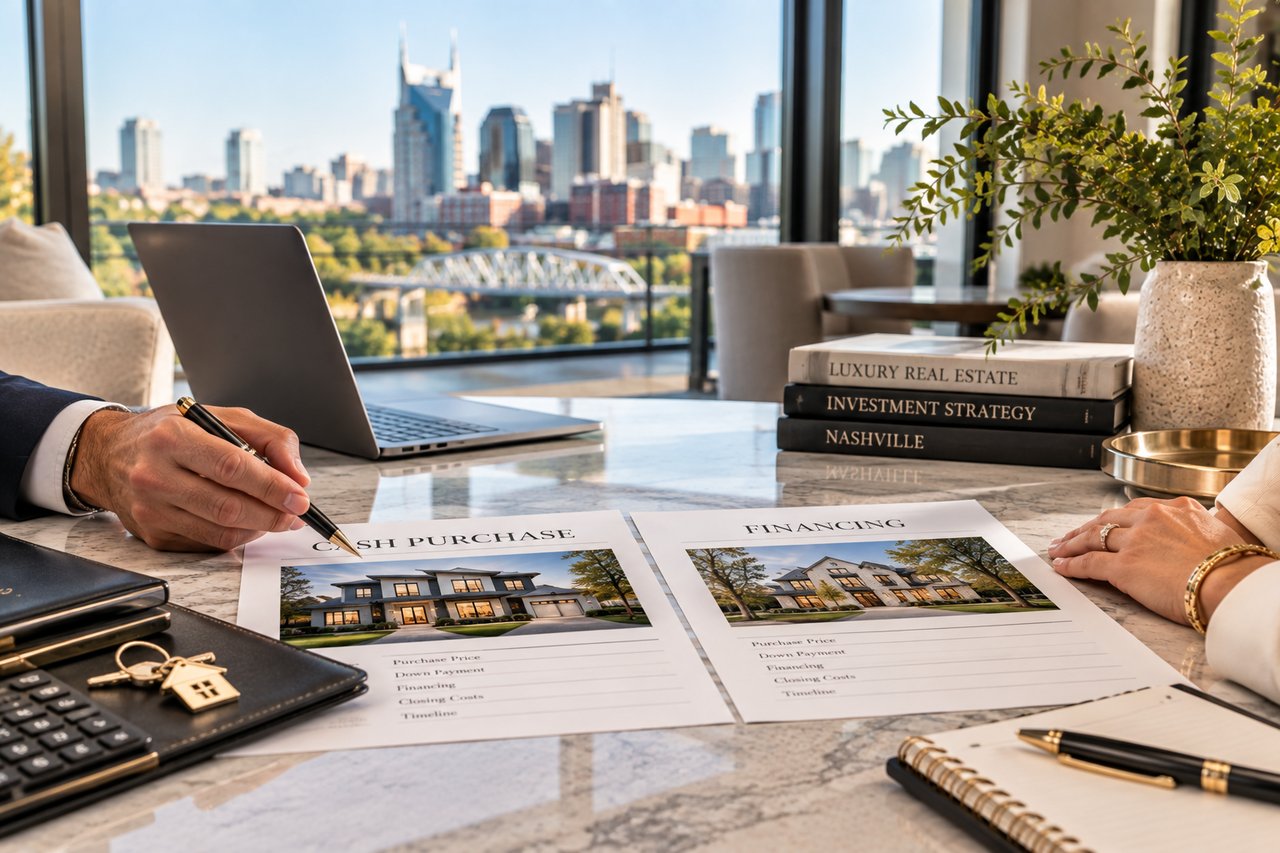
Why paying cash isn't always the smartest move, even for buyers who can afford to
Featured Listing
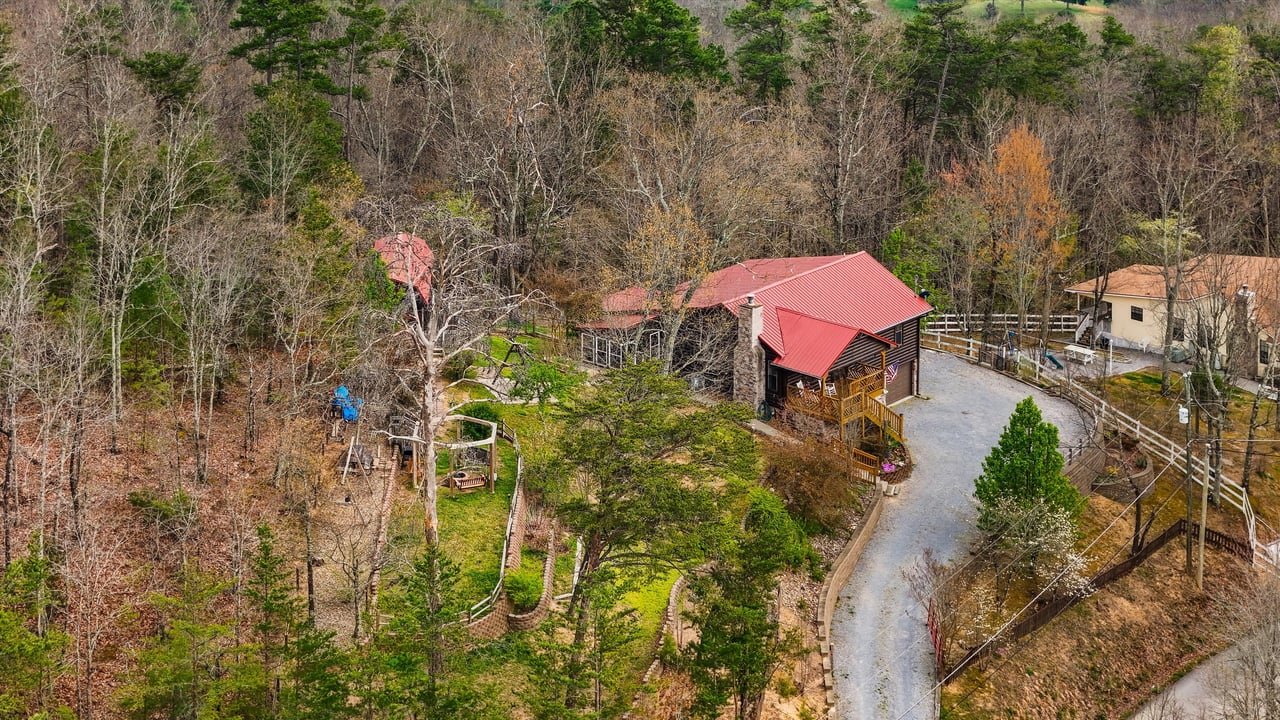
A furnished, proven Airbnb cabin with mountain views, priced at $525,000
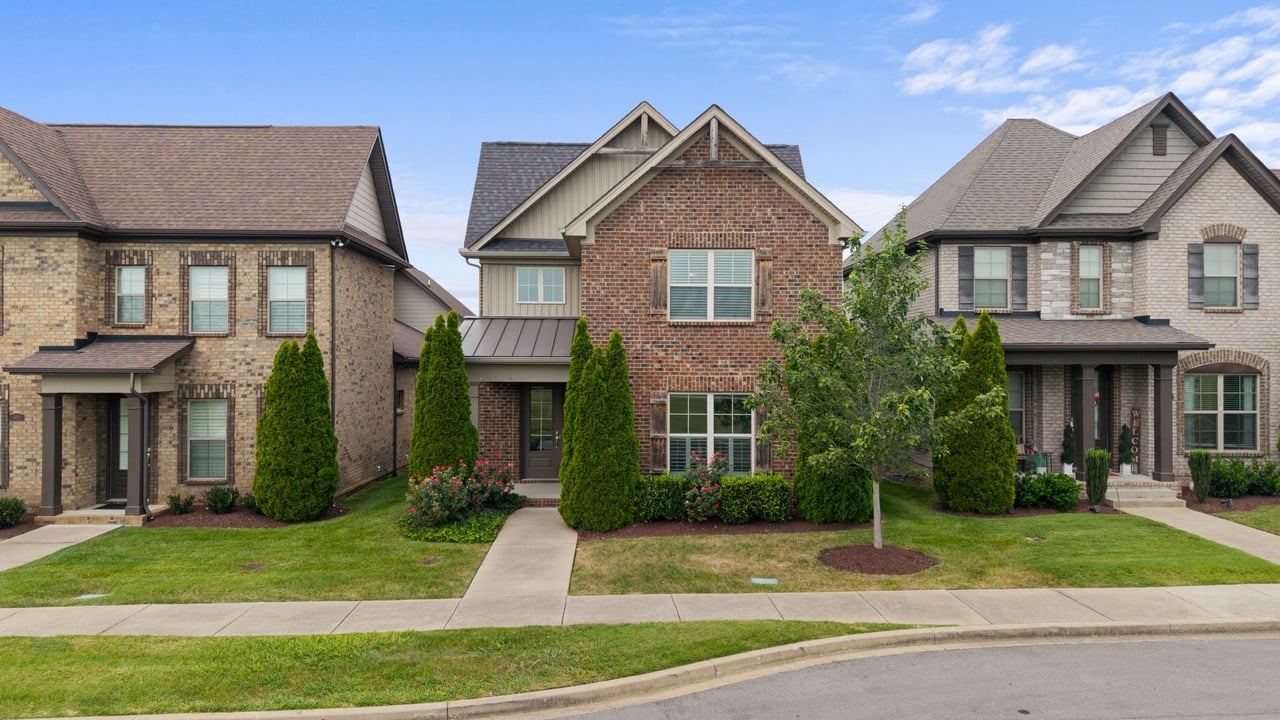
Featured Listing
Why Old Hickory Lake's south shore is drawing buyers who want lake life without leaving Nashville behind
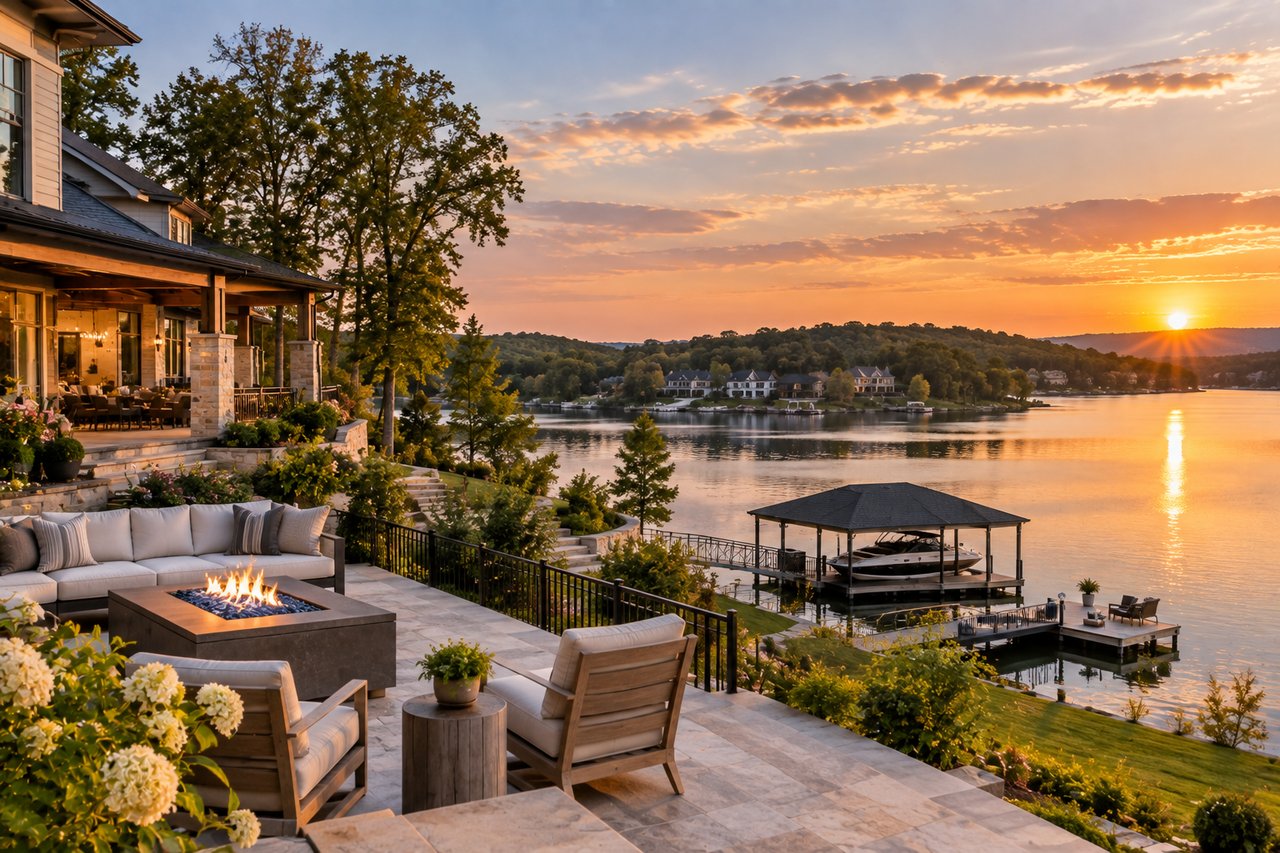
Neighborhood
Why Old Hickory Lake's south shore is drawing buyers who want lake life without leaving Nashville behind
The client deserves the full service and attention that only a team of experts can consistently provide. Working with us, you will have the personal attention traditionally associated with the client-agent relationship improved by the professionalism and consistency of a thoughtful business model. And yes, superior results will follow!
MORRELL PROPERTY COLLECTIVE
(615) 593-3103
[email protected]
ADDRESS
3990 Hillsboro Pike, #320
Nashville, TN 37215