The Benefits of Compass Private Exclusives for Sellers
Morrell Property Collective September 2, 2026
Sellers

Morrell Property Collective September 2, 2026
Sellers
We recently covered what Compass Private Exclusives means for buyers. The program was built for the other side of the table first, so it's worth answering plainly: what does a seller actually get from listing this way, beyond the privacy pitch?
The short answer is control — over who sees your home, when, and under what terms — backed by Compass's own performance data showing that control doesn't come at the cost of a weaker sale.
Key takeaways:
The program moves through three stages. A Private Exclusive listing is visible only within Compass's roughly 340,000-agent network — no public site, no yard sign required. Coming Soon widens exposure to Compass.com and Redfin.com, reaching an audience Compass puts at around 60 million monthly visitors, while still holding the listing off the full public MLS. Only the third phase, Public Market, puts the home everywhere buyers are used to searching.
A seller can move through all three phases, start at any one of them, or stop before reaching the public market entirely. Each phase is a deliberate choice about exposure, not a delay tactic — and it fits within the private-listing framework NAR formalized nationally under its Multiple Listing Options for Sellers policy.
None of the common reasons sellers choose a Private Exclusive have to do with a home being difficult to sell. A pending relocation or new job on a tight timeline. A divorce or family change that calls for discretion. Financial circumstances a seller would rather not broadcast alongside a public listing. A home filled with valuable art, furniture, or belongings that a seller doesn't want photographed for public search sites. Or simply a preference to skip open houses and unscheduled showings from unqualified visitors. In each case, the appeal isn't hiding a problem — it's controlling who sees personal details, and when.
Compass's most recent research, published in July 2026 and drawn from 70,809 closed sales across its network over the twelve months ending March 2026, found that homes which began as a Private Exclusive or Coming Soon listing sold for 4.6% more, went to contract 34% faster, and were 29% less likely to see a price cut than comparable homes listed directly to the MLS and public portals. That premium is up from the 2.9% figure Compass reported in its first study a year earlier, covering 2024 data.
It's worth being direct about what this is: a company-backed analysis of Compass's own transactions, not an independent, peer-reviewed study, and outside researchers have noted the sample likely skews toward better-prepared, higher-condition listings that Compass agents had time to plan around. That doesn't make the numbers meaningless — it means they describe what's worked inside this specific network, not a universal guarantee for every home.
Not automatically. The trade-off is real: earlier phases mean a smaller initial buyer pool, and the program isn't available in every market or under every local MLS's rules. For sellers focused purely on maximum day-one exposure, going straight to the public market still makes sense. But for sellers who value privacy, want to test pricing before committing to a public number, or simply don't want their home's first appearance to be a public listing photo, the phased approach gives real control that a straight-to-MLS launch doesn't.
Morrell Property Collective's listing at 2334 Golf Club Lane in Green Hills is currently marketed as a Compass Private Exclusive — a $5,499,900, 4-bedroom estate visible within Compass's agent network ahead of any public listing. It's a live example of the first phase in action.
The core benefits are privacy over who sees a home and when, control over pricing strategy before going fully public, and access to Compass's national agent network. Compass's own data also shows a measurable performance edge: homes pre-marketed this way sold 4.6% higher and 34% faster than homes listed straight to the MLS.
Does a Private Exclusive mean my home isn't really for sale? No. It's actively for sale and open to offers throughout every phase — the difference is who sees it and where it's advertised, not whether it's genuinely available.
Will I get a lower price by not listing publicly right away? Compass's own data suggests the opposite on average — pre-marketed homes closed higher, not lower — though individual results depend on the home, pricing, and market.
Is a Private Exclusive available for any home? The program isn't available in every market, and local MLS rules can affect how a listing is shared even within one brokerage. Your agent can confirm what applies to your specific property.
Can I move to a public listing later if a Private Exclusive doesn't generate interest? Yes — many sellers use the early phases specifically to gauge interest and refine pricing before deciding whether and when to move to full public exposure.
A Private Exclusive isn't a workaround for a home that can't sell — it's a deliberate choice to control exposure, timing, and privacy, backed by Compass's own data showing that choice doesn't cost sellers on price or speed. Whether it's the right path depends on what you're actually trying to protect: your privacy, your pricing strategy, or simply your time.
If you're weighing whether to list your home as a Private Exclusive, Morrell Property Collective can walk you through what it would look like for your property specifically. Call (615) 593-3103 to talk it through.
Knoxville
Inside Farragut's gated lakefront enclave on Fort Loudoun Lake
Sellers
What phased marketing actually gives a seller — privacy, control, and the data behind it

Real Estate Market
A cost-and-ROI breakdown for buyers and owners weighing a guest house in Nashville or Knoxville
MPC Expertise
The plain-English answer to a term you keep hearing — and how to actually get access
Buyers
A lifestyle gut-check before you start touring downtown Nashville high-rises
Buyers
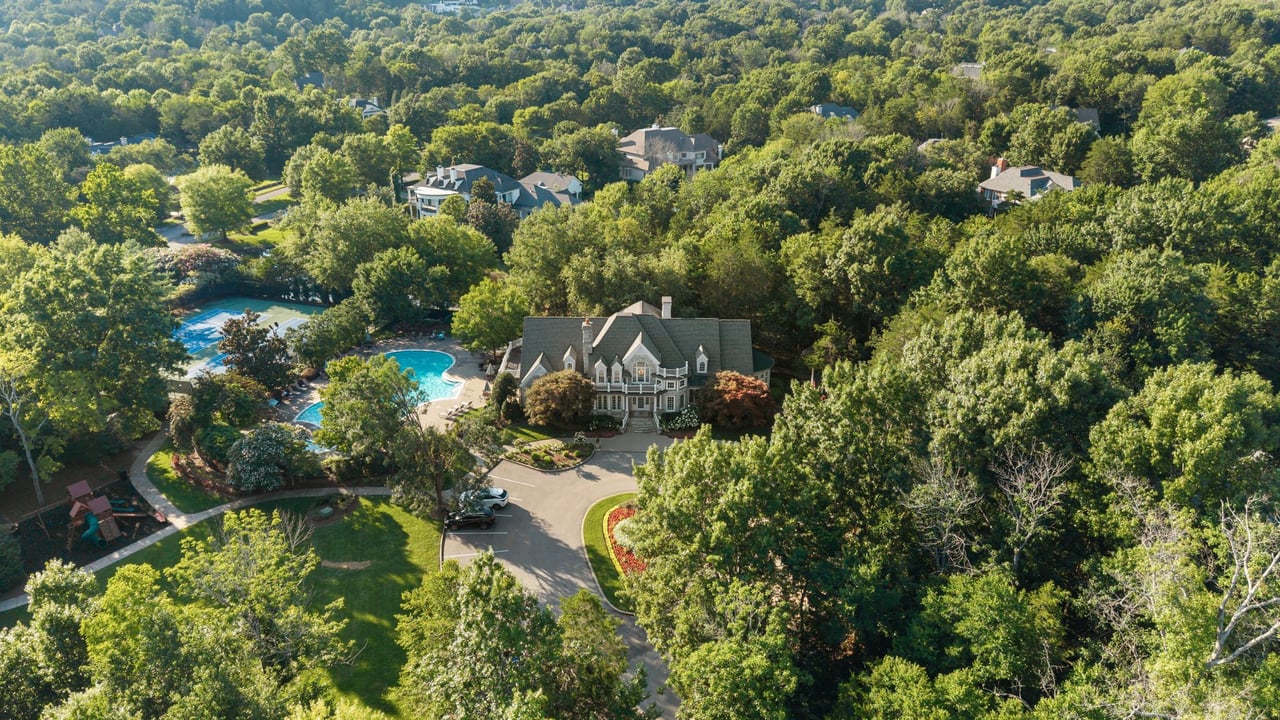
Why Nashville's most discerning buyers are paying for privacy — and what to weigh before you do
Sellers
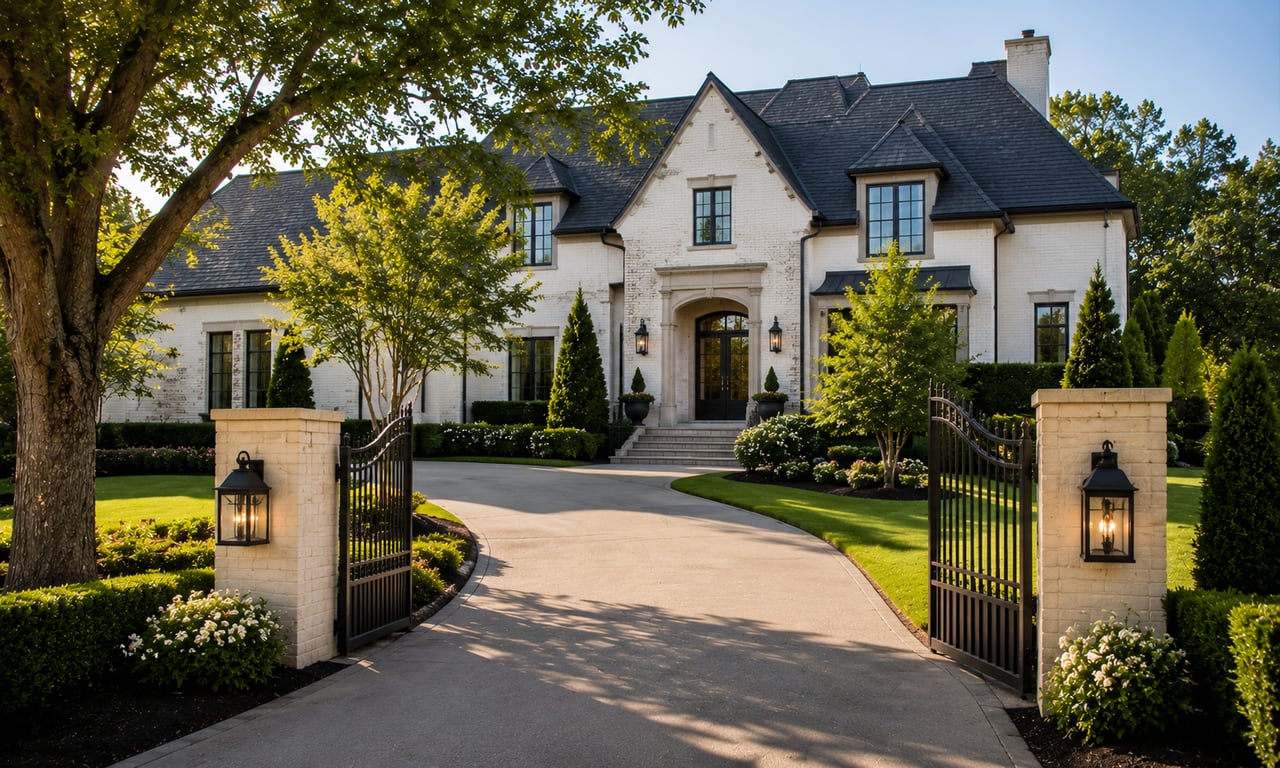
Why presentation carries more weight at the top of the market — and what current data actually shows
Buyers
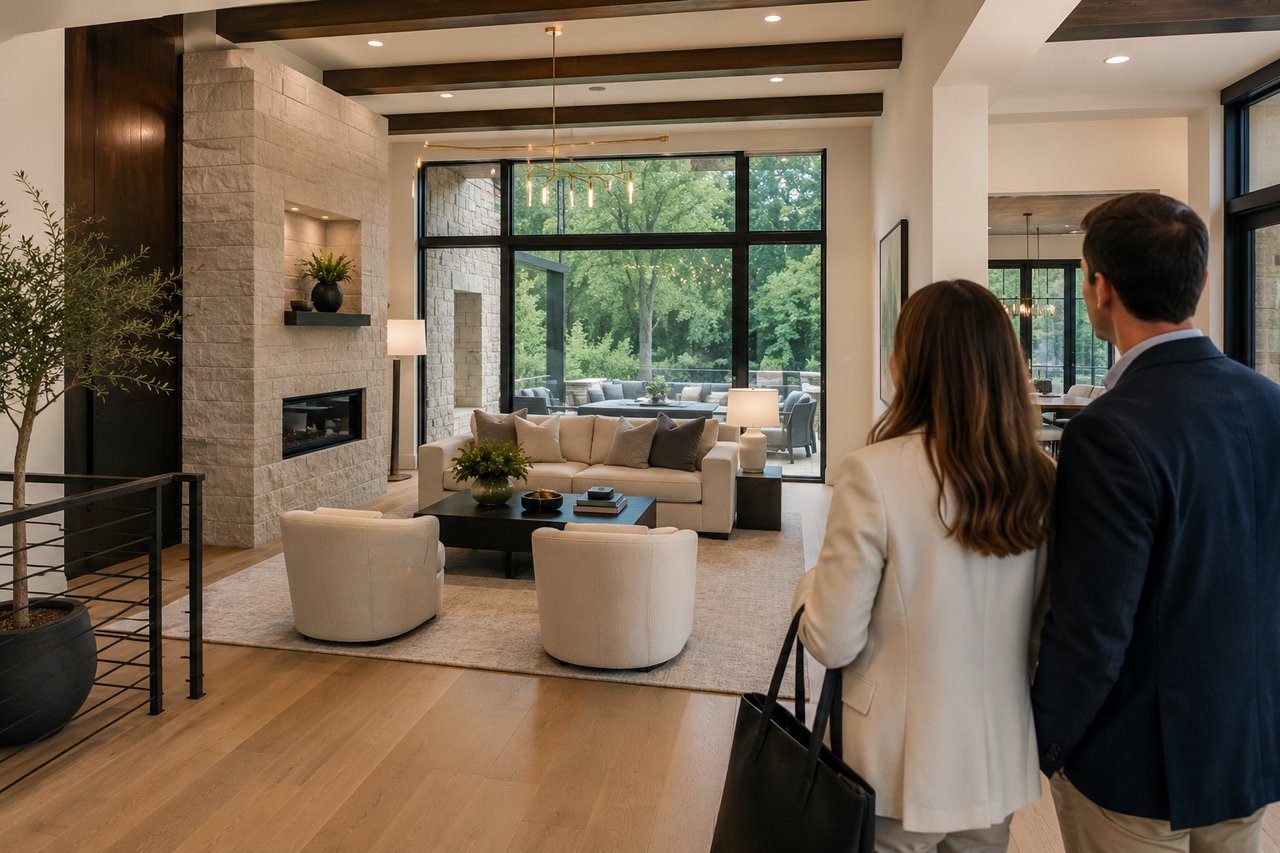
The program is usually pitched to sellers — here's what it actually means if you're the one buying
Nashville
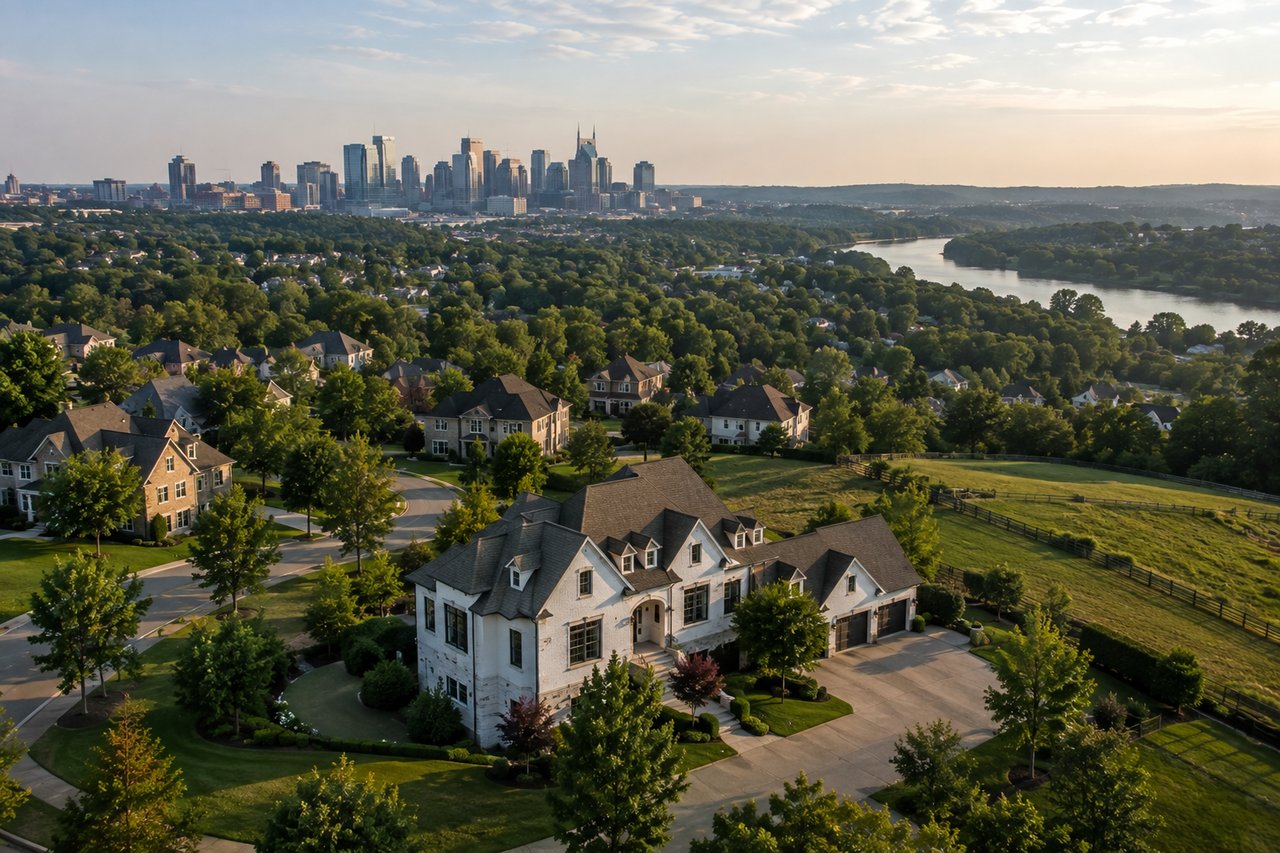
There's no single "best" Nashville neighborhood — just the one that matches what you're actually optimizing for
The client deserves the full service and attention that only a team of experts can consistently provide. Working with us, you will have the personal attention traditionally associated with the client-agent relationship improved by the professionalism and consistency of a thoughtful business model. And yes, superior results will follow!
MORRELL PROPERTY COLLECTIVE
(615) 593-3103
[email protected]
ADDRESS
3990 Hillsboro Pike, #320
Nashville, TN 37215