Is Land a Better Investment Than Luxury Real Estate?
Morrell Property Collective August 17, 2026
Real Estate Market

Morrell Property Collective August 17, 2026
Real Estate Market
It's a question that comes up in almost every conversation about building wealth through real estate: is it smarter to buy the land itself, or to buy the finished luxury home sitting on it? Both can appreciate. Both can be excellent investments. But they build value in genuinely different ways, and the "better" choice depends heavily on timeline, risk tolerance, and what part of Tennessee you're looking at.
That question has real teeth right now around Nashville, where growth has pushed into formerly rural counties, and in East Tennessee, where scenic acreage draws a different kind of buyer entirely. Understanding how each asset actually generates return — not just whether the price tag goes up — is the difference between a smart long-term hold and an expensive lesson.
This post breaks down where land wins, where luxury real estate wins, and what to weigh before committing capital to either one.
Land's biggest investment argument is conversion value — what happens when undeveloped or agricultural land ends up in the path of growth. Williamson County, south of Nashville, is a clear example: the county's population grew 35.2% between 2010 and 2020, according to U.S. Census Bureau data, and it remains the wealthiest county in Tennessee by median income. That kind of sustained growth has steadily pushed development pressure — and land values — into areas that were purely agricultural a generation ago.
The dynamic looks different in East Tennessee. Knox County itself is already highly urbanized, with roughly 90.8% of residents living in urban areas as of 2020, according to Census data, which leaves less raw land close to Knoxville to speculate on. Land value in the broader East Tennessee region tends to be driven more by recreational appeal — mountain proximity, water access, privacy — than by pure development conversion.
A finished luxury home offers something raw land can't: you can live in it, rent it, or borrow against it with a conventional mortgage. That financing access alone changes the investment math, since land purchases are more often cash deals or specialized land loans with shorter terms and higher rates [VERIFY CURRENT DATA: current land loan terms and rates].
Luxury real estate also benefits from a larger, more active buyer pool than raw acreage, which generally makes it easier to sell when the time comes. As covered in our previous post on what drives luxury home value, craftsmanship, land, and condition all compound to protect and grow that value over time — the home isn't just riding the land's appreciation, it's adding its own.
Raw land's risks are real and often underestimated:
Luxury homes come with their own limits as an investment. Entry cost is higher, and ongoing maintenance, insurance, and upkeep on high-end finishes add real carrying cost. Appreciation can also be capped by how few truly comparable sales exist in a given luxury tier — pricing and resale both depend on a local specialist's read of that thin comp set, not just a market-wide trend.
Neither is universally better — they generate returns differently. Land offers upside mainly through development conversion and scarcity, with little income along the way. Luxury real estate offers livability, financing access, and a larger resale market, with appreciation tied to location, craftsmanship, and condition.
It depends on location and timing rather than the asset type itself. Land near active growth corridors, like the counties surrounding Nashville, can appreciate quickly as it converts from agricultural to developable use. Land far from growth pressure, or luxury homes in already-mature, high-demand neighborhoods, tend to appreciate more steadily and predictably.
What's the biggest risk of investing in raw land? Illiquidity and entitlement risk. Land can sit unsold longer than a home, and any appreciation tied to future rezoning or development depends on approvals and timelines you don't control.
Can you get a standard mortgage to buy land in Tennessee? Typically not a conventional mortgage. Land purchases are more commonly financed with cash or specialized land loans, which often carry different terms than a residential mortgage [VERIFY CURRENT DATA: current lender terms].
Is buying land near Nashville a good investment right now? Land in the path of Nashville's growth has historically benefited from steady development pressure, but current pricing and zoning should be evaluated parcel by parcel — proximity to growth doesn't guarantee near-term approval or resale timelines.
How does Tennessee's Greenbelt program affect land as an investment? It can lower the annual property tax burden on qualifying agricultural, forest, or open space land, which improves the economics of holding land long-term. Specific eligibility and any rollback tax owed upon converting the land should be confirmed with the county assessor before purchase.
Why work with a specialist when comparing land and luxury real estate? The two assets are valued, financed, and sold in different ways. A specialist who works both sides can help you weigh entitlement risk, financing options, and true carrying costs before you commit capital to either.
Land and luxury real estate aren't competing versions of the same investment — they're different tools that reward different strategies. Land can offer outsized upside tied to growth and scarcity, but with real illiquidity and entitlement risk along the way. Luxury real estate offers livability, financing access, and a broader resale market, with appreciation tied closely to location and craftsmanship.
If you're weighing a land purchase against a luxury home — or already hold one and want a clearer read on its investment position — Morrell Property Collective can walk through the specifics with you. Call us at (615) 593-3103 to talk through your goals.
Featured Listing
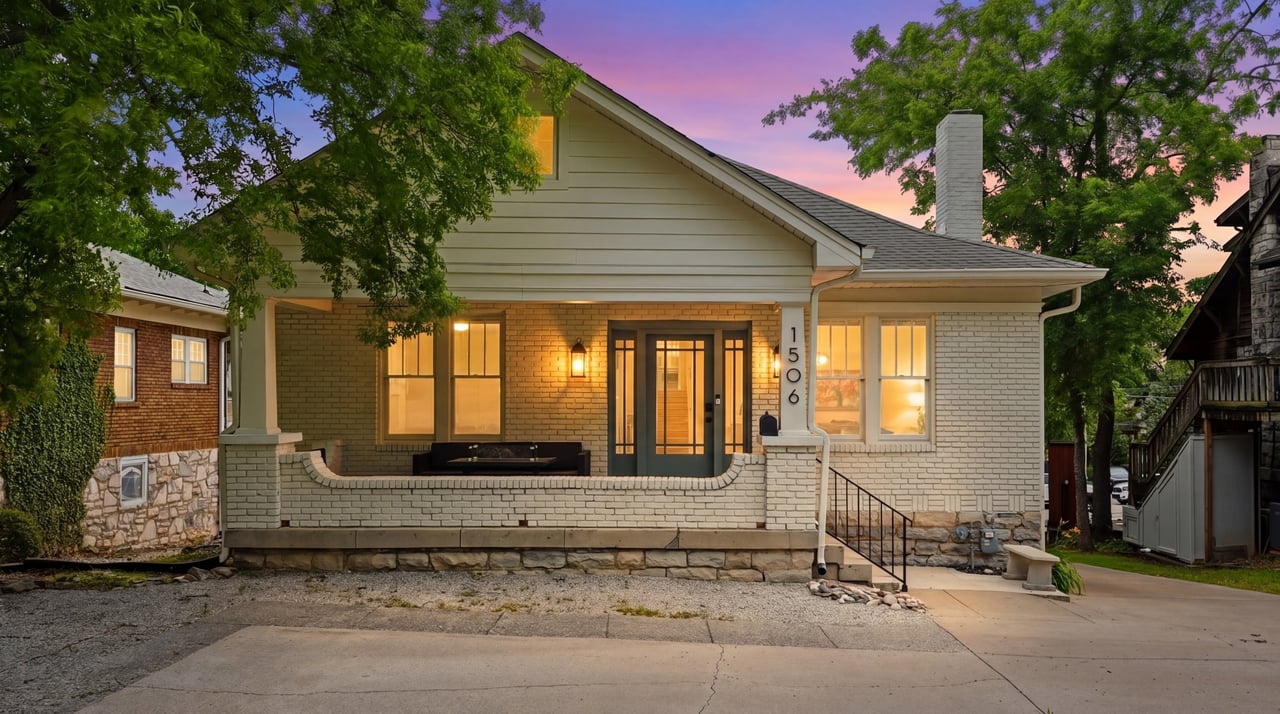
A 1925 home with a former recording studio, a main-level primary suite and the flexibility to live, work or create in one of Nashville's most walkable locations
Real Estate Market
The privacy, pricing and buyer-pool reasons behind Nashville's quiet luxury sales, plus the trade-offs to weigh
Featured Listing
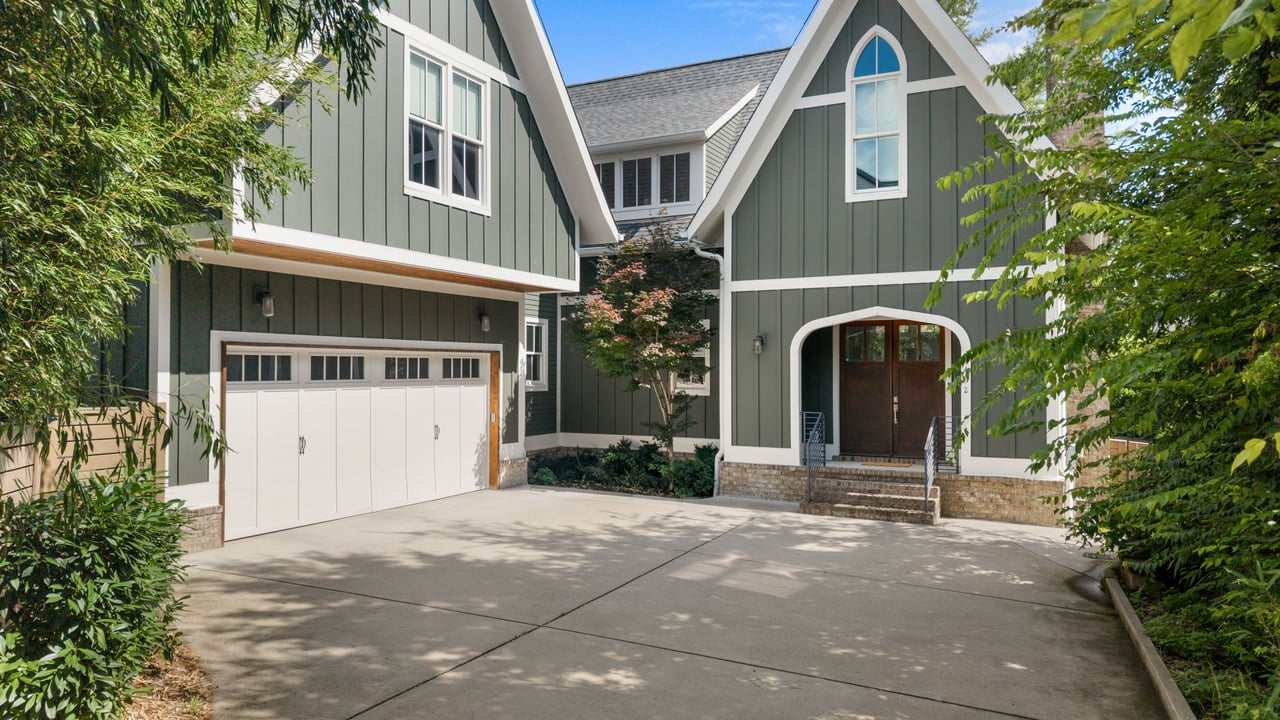
A 2017 Tudor with fresh 2025 updates, a private putting green and an easy connection to 12 South, Green Hills and Nashville's top universities
Buyers
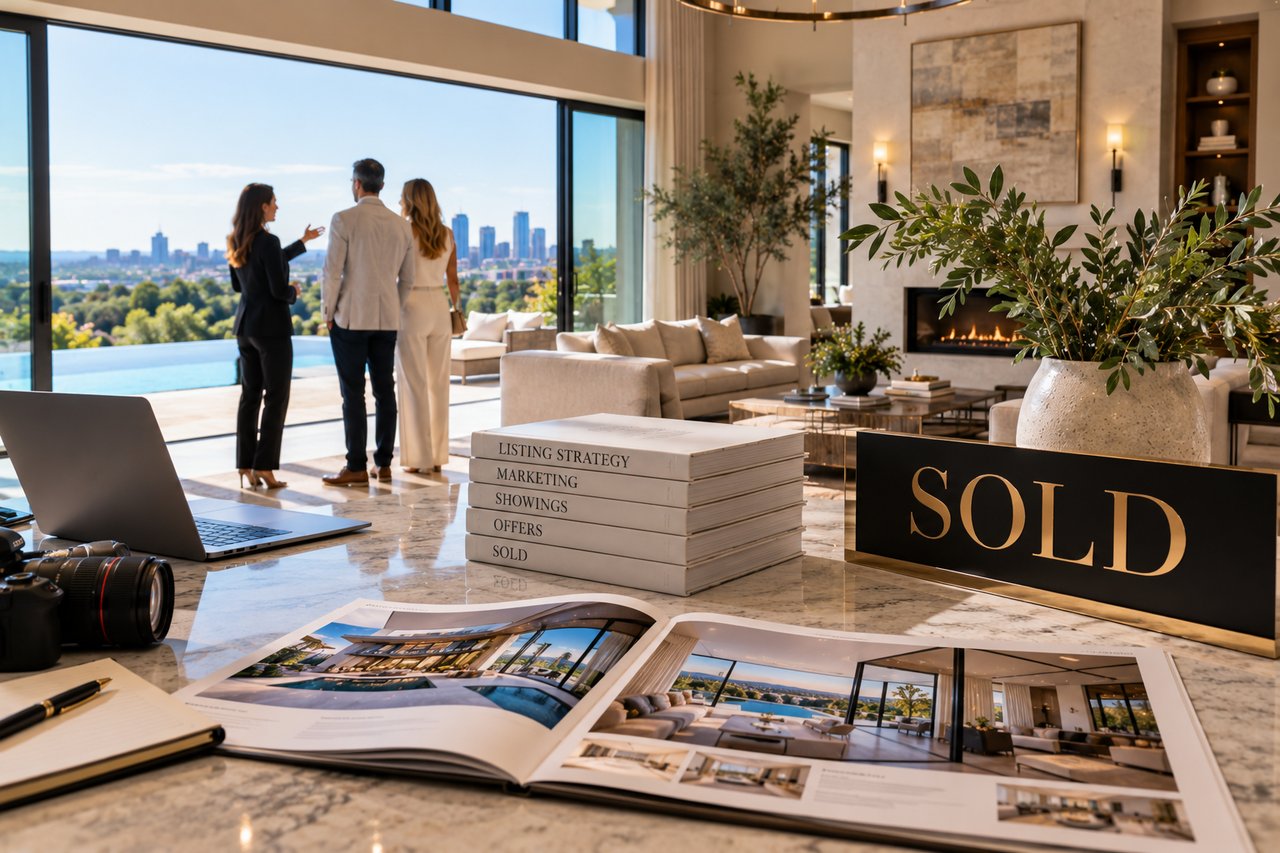
A day-by-day look at what happens once your Nashville luxury home goes live, and why the first seven days matter so much
Featured Listing
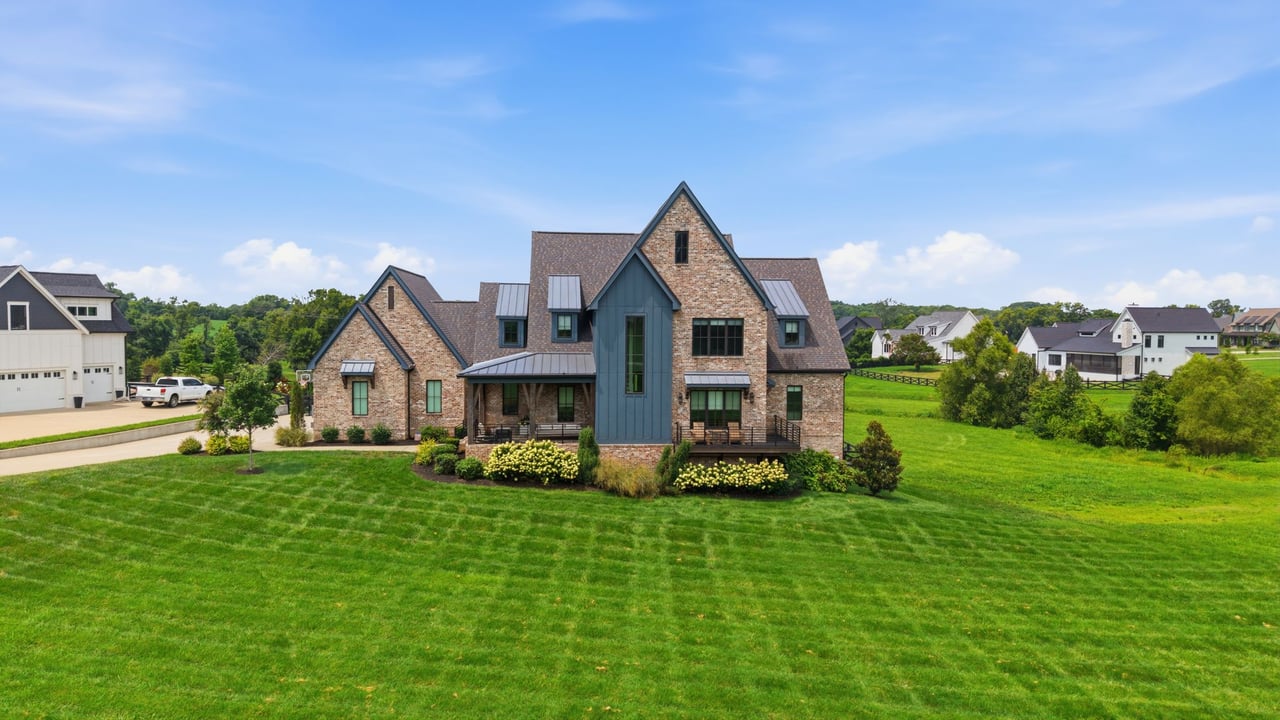
A 2022-built estate on 1.21 private acres, with a pool, a basement tornado shelter, and its own chicken coop
Buyers
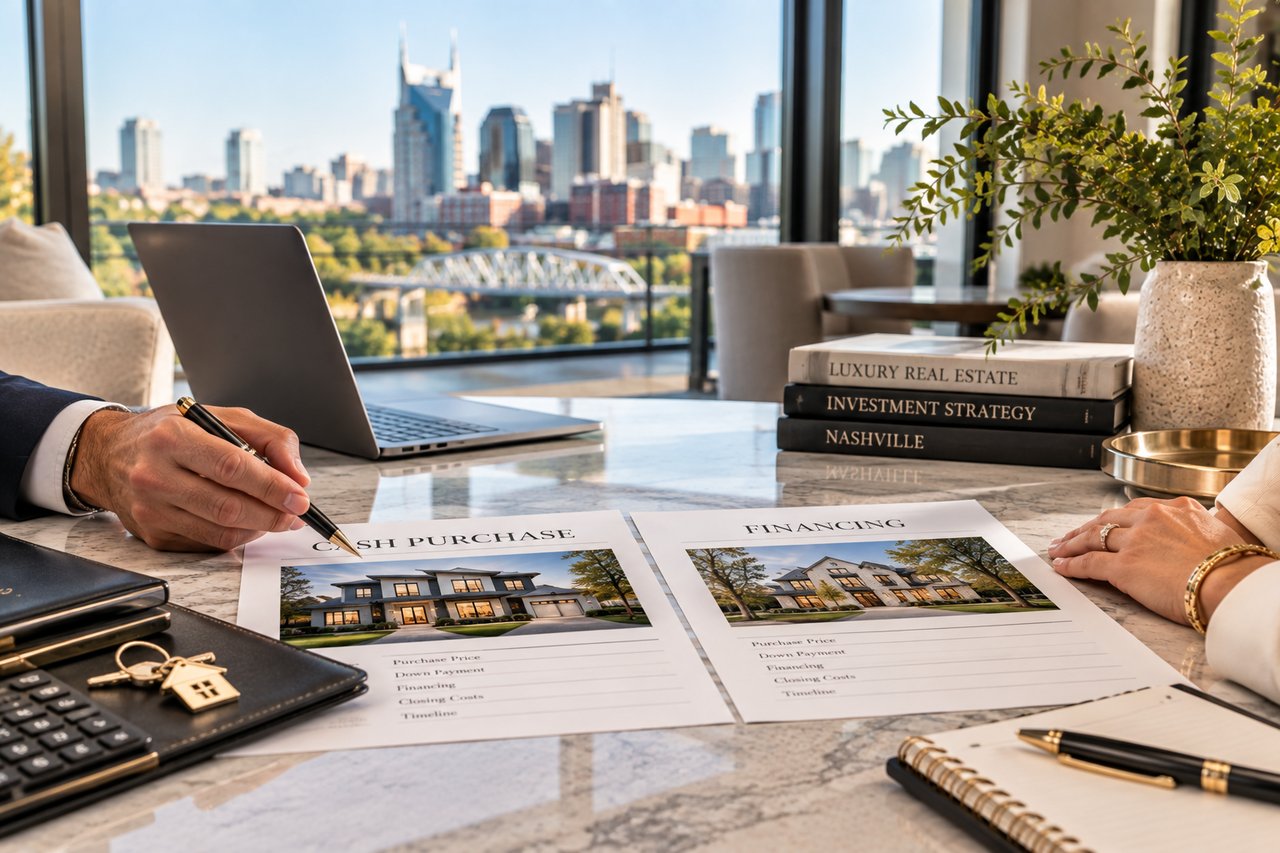
Why paying cash isn't always the smartest move, even for buyers who can afford to
Featured Listing
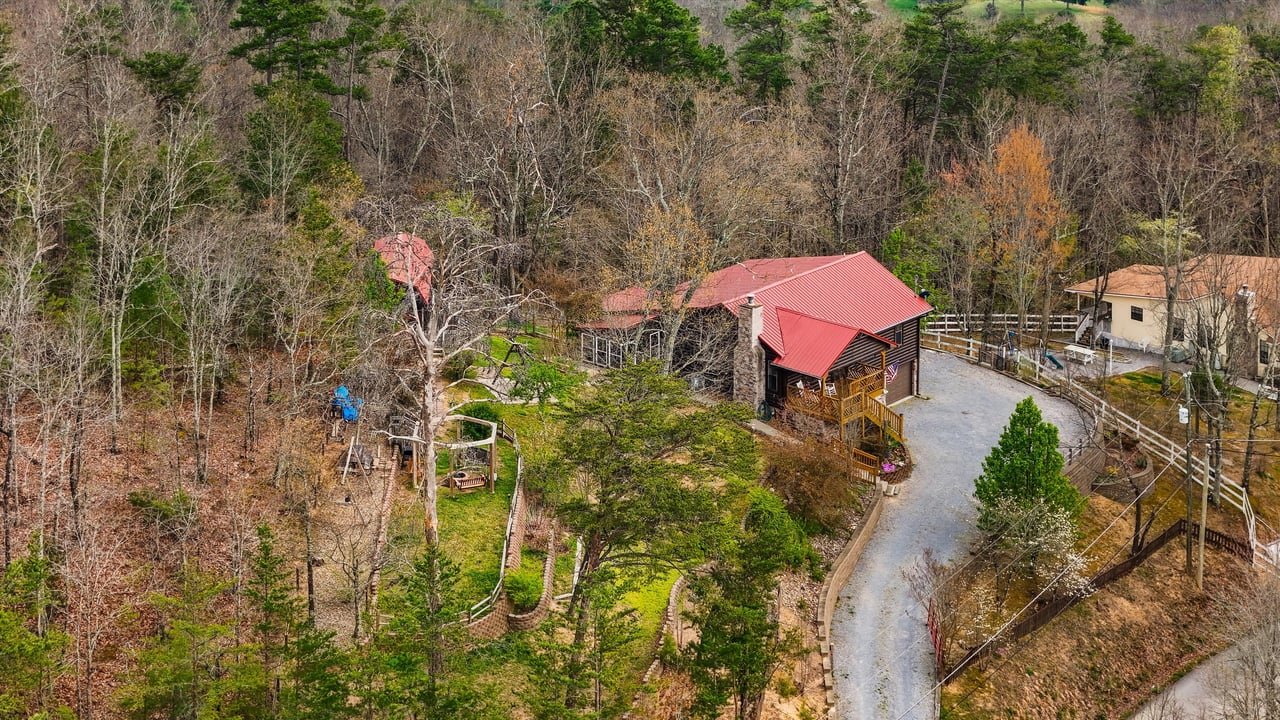
A furnished, proven Airbnb cabin with mountain views, priced at $525,000
Featured Listing
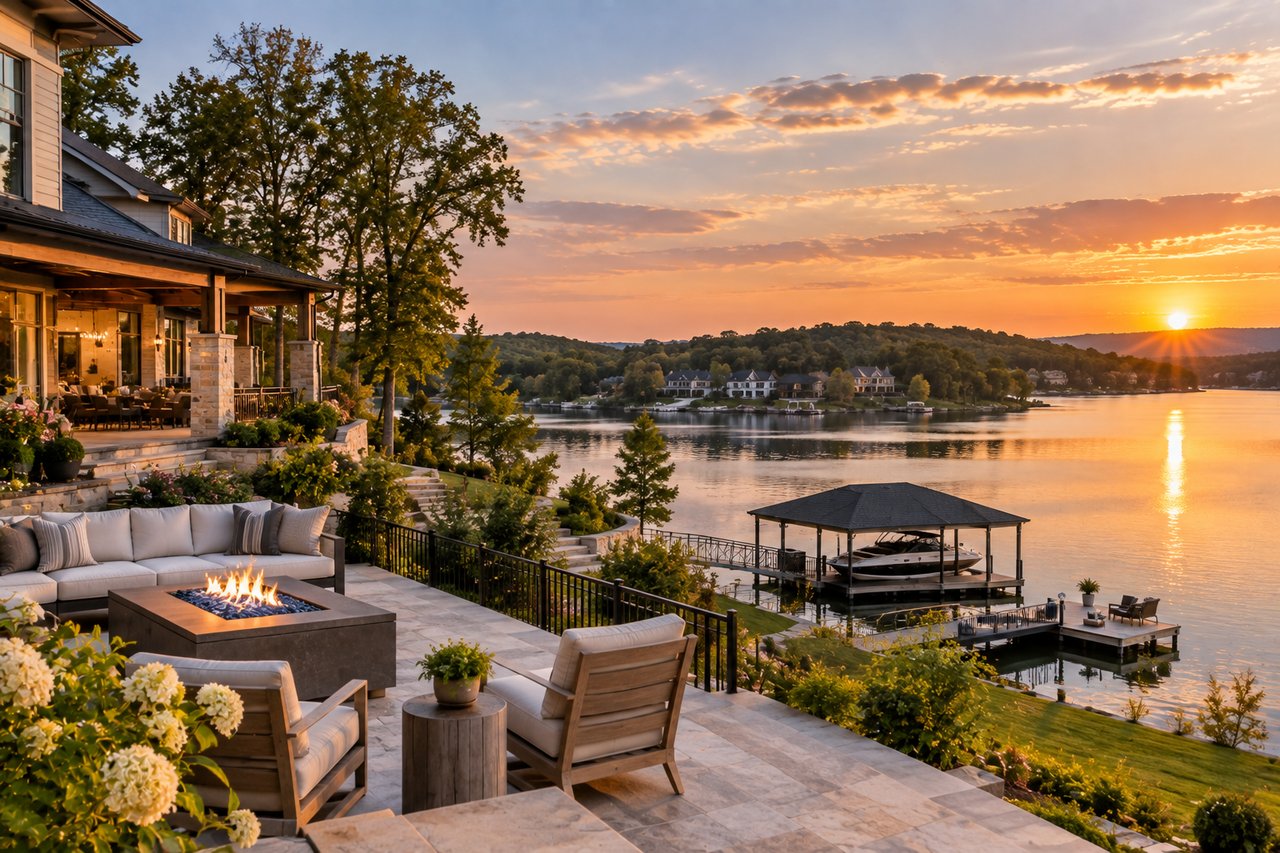
Why Old Hickory Lake's south shore is drawing buyers who want lake life without leaving Nashville behind
Neighborhood
Why Old Hickory Lake's south shore is drawing buyers who want lake life without leaving Nashville behind
The client deserves the full service and attention that only a team of experts can consistently provide. Working with us, you will have the personal attention traditionally associated with the client-agent relationship improved by the professionalism and consistency of a thoughtful business model. And yes, superior results will follow!
MORRELL PROPERTY COLLECTIVE
(615) 593-3103
[email protected]
ADDRESS
3990 Hillsboro Pike, #320
Nashville, TN 37215