Building vs. Buying a Luxury Home in Tennessee: How to Decide
Morrell Property Collective August 15, 2026
Buyers
Morrell Property Collective August 15, 2026
Buyers
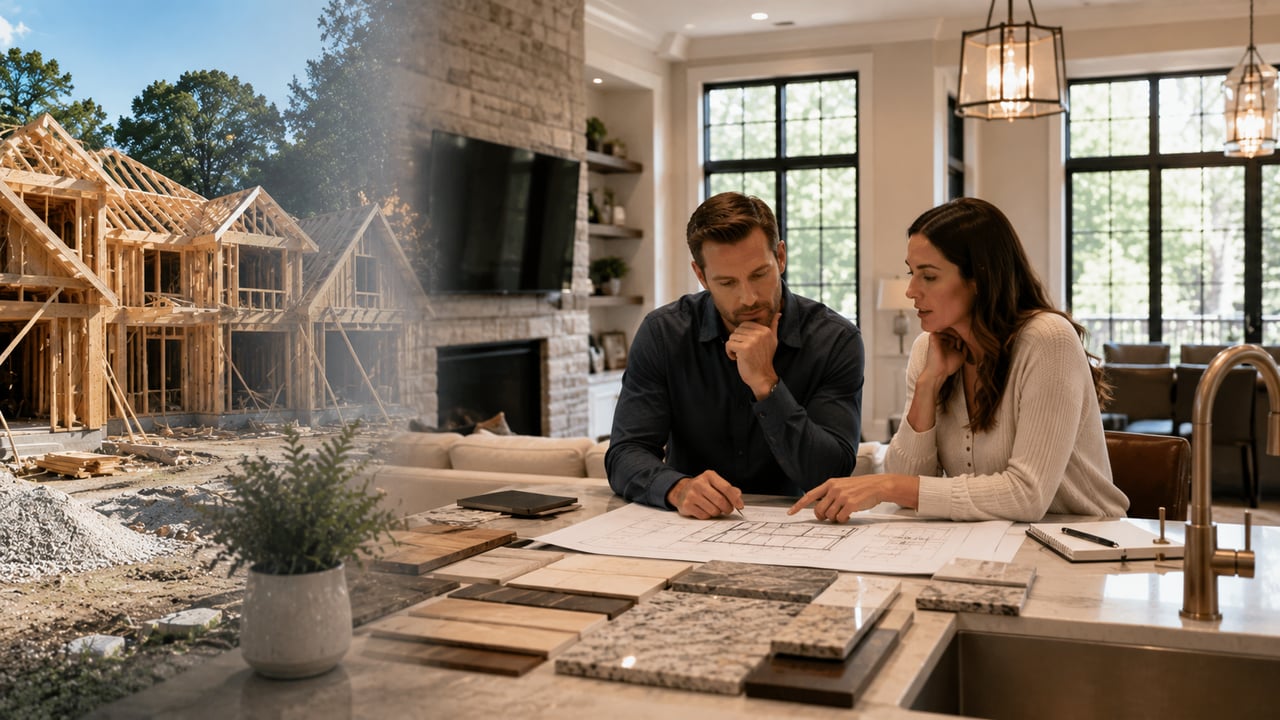
Every luxury buyer eventually asks the same question: build the exact home you want, or buy something that already exists and adjust from there? In Nashville and Knoxville, where luxury inventory is limited and desirable lots are harder to come by every year, this isn't a hypothetical—it's a real fork in the road for anyone shopping at the high end.
Neither path is automatically the better financial move. Building gets you a home with no compromises, but it trades away speed and certainty. Buying gets you a known quantity, faster, but sometimes at the cost of a layout or lot you'd never have chosen from scratch.
This post breaks down how the two paths actually compare on cost, timeline, land availability, and financing, so you can weigh the decision with real information instead of assumptions.
Building gives you full control over layout, finishes, and systems; buying gives you speed, price certainty, and an established neighborhood.
Custom construction timelines commonly run well over a year from permitting to move-in—longer than most buyers expect going in.
Land is often the hardest part of building in Nashville and Knoxville; desirable lots in established luxury neighborhoods are scarce and often require a teardown.
Financing works differently for each path—construction loans are structured and drawn down differently than a traditional mortgage on an existing home.
Buying an existing luxury home means you can see exactly what you're getting: the finishes, the layout, the lot, the neighborhood—all fixed and inspectable before you commit. Closing typically happens within weeks of a ratified contract, and once you're in, you're in.
Building trades that certainty for control. You choose the floor plan, the finishes, the mechanical systems, and every detail in between. But you're also taking on more variables: permitting timelines, material and labor availability, and the possibility that your vision costs more than you initially budgeted once final selections are made.
Neither is the "safer" choice in absolute terms—it's a question of which variables you're more comfortable managing.
It's tempting to want a single number—"building costs $X more per square foot than buying"—but that comparison depends heavily on lot cost, finish level, and whatever labor and material pricing looks like at the moment you break ground. A number that's accurate today can be stale by the time you're ready to build, so it's worth getting a current estimate directly from a local builder rather than relying on a general figure.
What's more useful than a single figure is understanding where the costs actually show up. Buying an existing home means your major cost is the purchase price, and it's known upfront. Building means your costs arrive in stages—land, site work, foundation, framing, and finish-out—and the final number often isn't locked in until you've made every selection, from cabinetry to lighting fixtures. Custom builders can typically give you a firm estimate once plans and finishes are finalized, but budgeting some contingency above that number is standard practice.
Buying an existing luxury home, once you're under contract, generally moves through inspection, appraisal, and financing on a timeline of a few weeks to a couple of months, depending on financing.
Building is a longer commitment. Between design, permitting, and construction, custom homes commonly take well over a year from breaking ground to move-in, and that's before accounting for design and land acquisition on the front end. If you need to be in a home by a specific date—a job relocation, a school year, a lease expiration—that timeline needs to be part of the decision from day one.
In many of Nashville's most established luxury neighborhoods—Belle Meade, Forest Hills, Governor's Club—vacant lots are rare. Building often means either finding one of the few remaining parcels, looking further out in Williamson County where more land is available, or purchasing an existing home specifically to tear it down and rebuild. Each of those paths comes with its own cost and timeline implications, and teardown purchases carry their own due-diligence questions around lot restrictions and setbacks.
Knoxville's established luxury areas, like Sequoyah Hills, face a similar scarcity, while newer development in West Knoxville and around Farragut and Concord tends to offer more available lots for custom building. An agent who knows the local zoning and HOA architectural review requirements in your target neighborhood can save you months of surprises.
Buying an existing home typically means a standard mortgage: one loan, one closing, predictable payments from day one.
Building usually starts with a construction loan, which is drawn down in stages as the build progresses and typically converts to a permanent mortgage once the home is complete—sometimes called a construction-to-permanent loan. Not every lender offers this structure, and rates and terms vary by lender and shift with the broader rate environment, so it's worth talking to a lender experienced in construction financing early, before you've committed to land or a builder.
There's no fixed answer—it depends on land cost, finish level, and current construction pricing, all of which shift over time. In general, buying gives you price certainty upfront, while building's final cost isn't fully locked in until every selection is made, which is why a current estimate from a local builder matters more than any general rule of thumb.
Custom home construction commonly takes well over a year from breaking ground to move-in, not counting the time spent on design, permitting, and finding land beforehand. Buyers with a firm move-in deadline should treat this timeline as a starting point for planning, not a worst case.
Can I use land I already own to build, or do I need to buy it as part of the process? Either works. Some buyers already own land—inherited, purchased separately, or part of a larger property—and go straight to design and permitting. Others need to find and purchase a lot first, which in Nashville and Knoxville's established luxury neighborhoods often means competing for a limited number of available parcels or buying with a teardown in mind.
What happens if construction costs come in higher than expected? This is common enough that experienced builders build contingency into their estimates, and buyers should budget beyond the initial number, especially if finishes aren't fully selected at contract signing. A detailed, itemized estimate before you sign with a builder is the best protection against surprises later.
Does buying an existing luxury home mean I'm stuck with someone else's choices? Not entirely—renovation and customization after purchase is common, especially for kitchens, primary suites, and outdoor living spaces. It's a different kind of project than building from scratch, generally faster and more contained, but it does mean working around the home's existing structure and systems.
How long do luxury homes typically stay on the market in Nashville or Knoxville? This varies by price point, neighborhood, and season, so it's worth asking your agent for current numbers on your specific target area rather than relying on a citywide average, which can mask big differences between neighborhoods.
Why work with an agent who specializes in luxury new construction and resale? Building and buying involve different processes, different risks, and often different professionals—builders, architects, and lenders on one side; inspectors and appraisers on the other. An agent experienced in both can help you evaluate which path actually fits your timeline, budget, and priorities, rather than defaulting to whichever is more familiar.
If you're leaning toward building:
Talk to a lender experienced in construction-to-permanent loans before you commit to land.
Get a detailed, itemized estimate from your builder before signing, including an allowance for finish-level selections.
Ask about realistic timelines for permitting in your specific municipality or county, since this varies by jurisdiction.
If you're leaning toward buying:
Get clear on which neighborhoods have the layout and lot characteristics you'd otherwise try to build, so you're not compromising on things you actually care about.
Budget for renovation if the home is close but not exact, and get contractor estimates before you finalize your offer.
Move decisively once you find the right property—desirable luxury inventory in Nashville and Knoxville tends not to sit long.
Building and buying aren't a better-or-worse choice—they're two different ways of getting to the same goal, and the right one depends on how much control you want versus how much certainty and speed you need. Getting honest about your timeline, budget flexibility, and tolerance for the unknowns of construction will point you toward the right path faster than comparing price tags alone.
If you're weighing whether to build or buy a luxury home in Nashville or Knoxville, Morrell Property Collective can walk you through both paths side by side—available land, custom builders we trust, and existing luxury inventory that might already have what you're picturing. Call us at (615) 593-3103 to talk through your specific situation.
Featured Listing
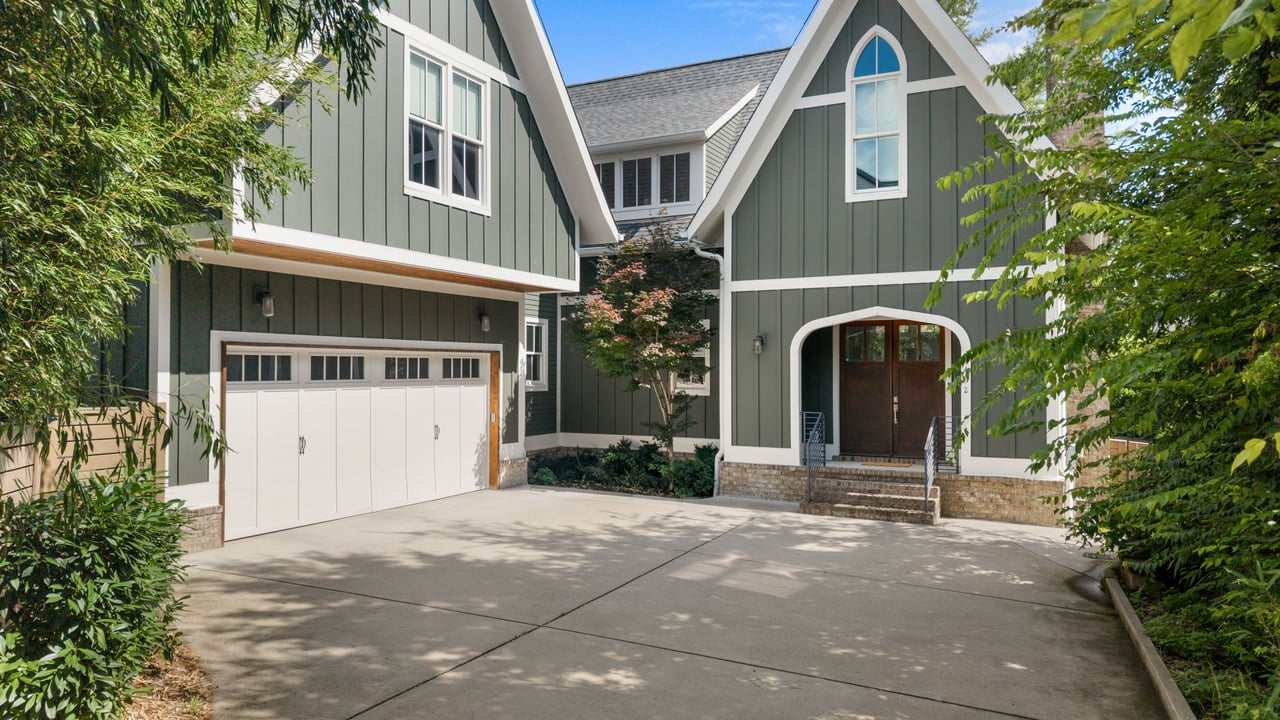
A 2017 Tudor with fresh 2025 updates, a private putting green and an easy connection to 12 South, Green Hills and Nashville's top universities
Buyers
A day-by-day look at what happens once your Nashville luxury home goes live, and why the first seven days matter so much
Featured Listing
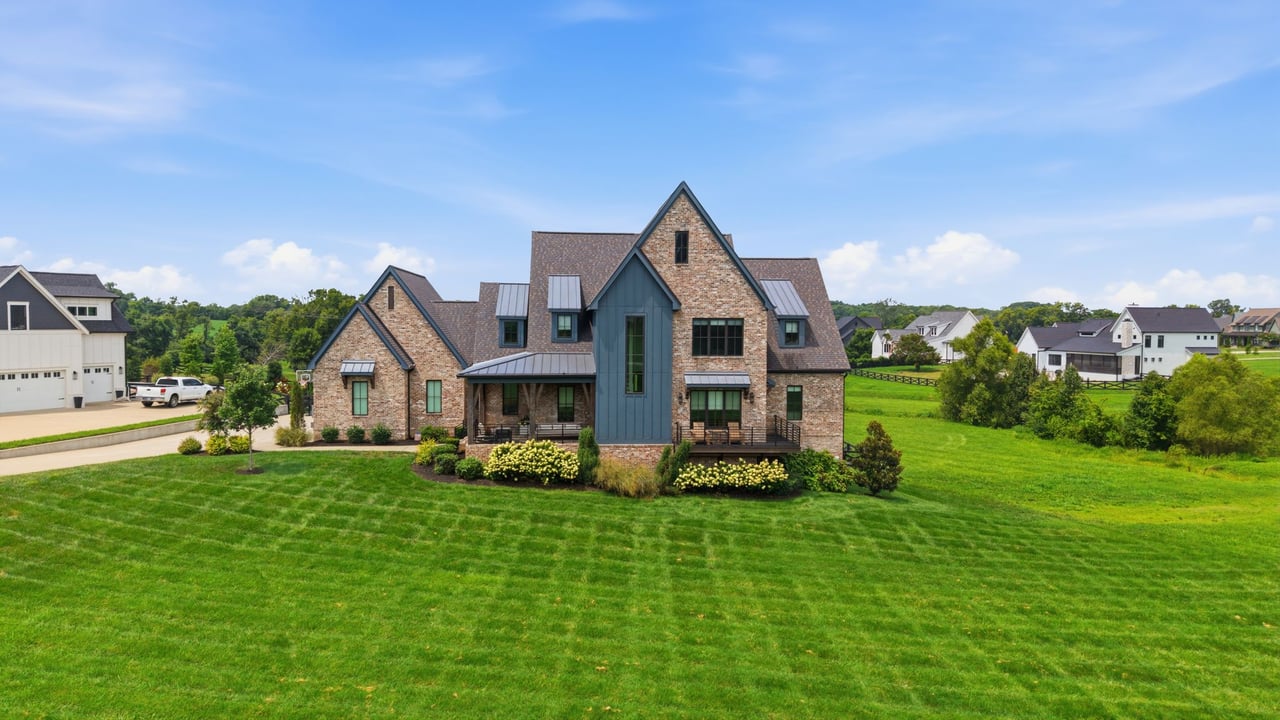
A 2022-built estate on 1.21 private acres, with a pool, a basement tornado shelter, and its own chicken coop
Buyers
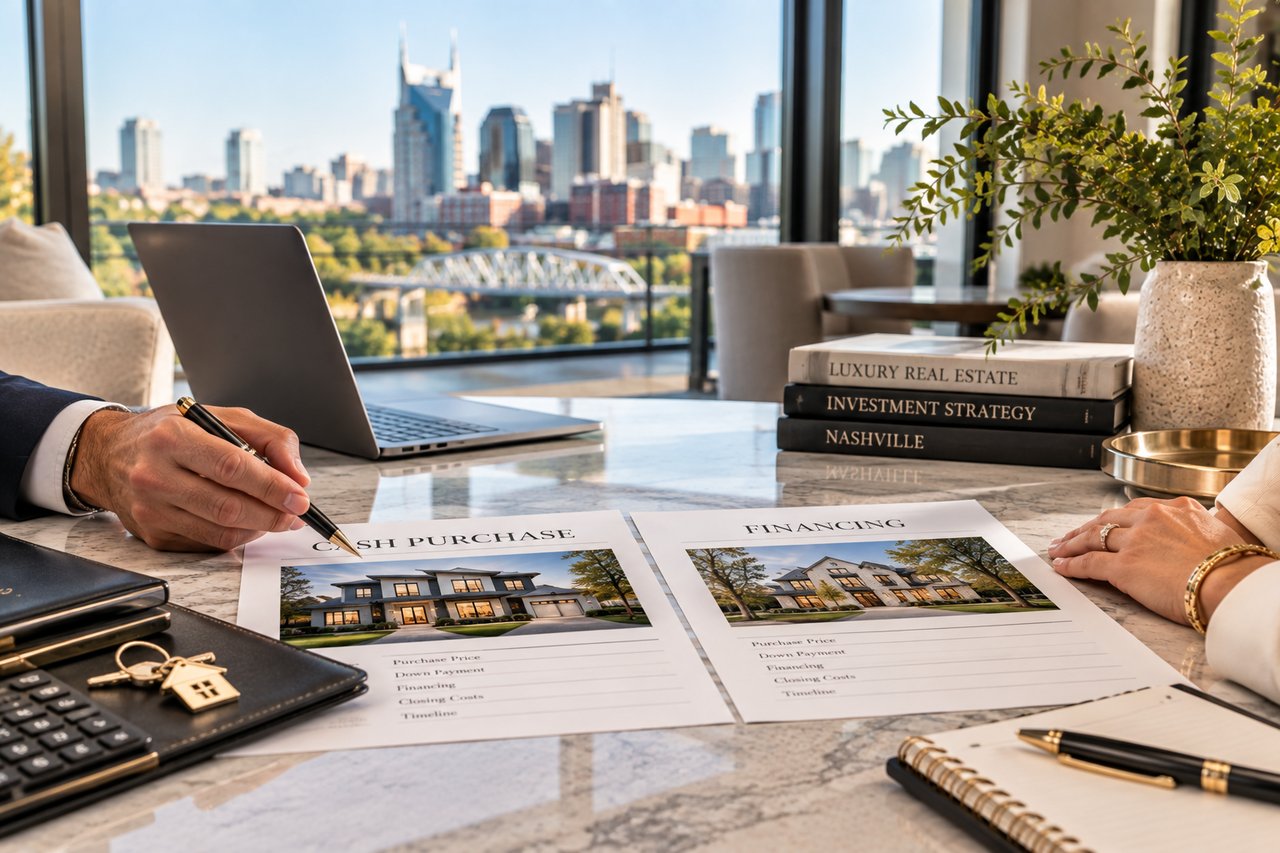
Why paying cash isn't always the smartest move, even for buyers who can afford to
Featured Listing
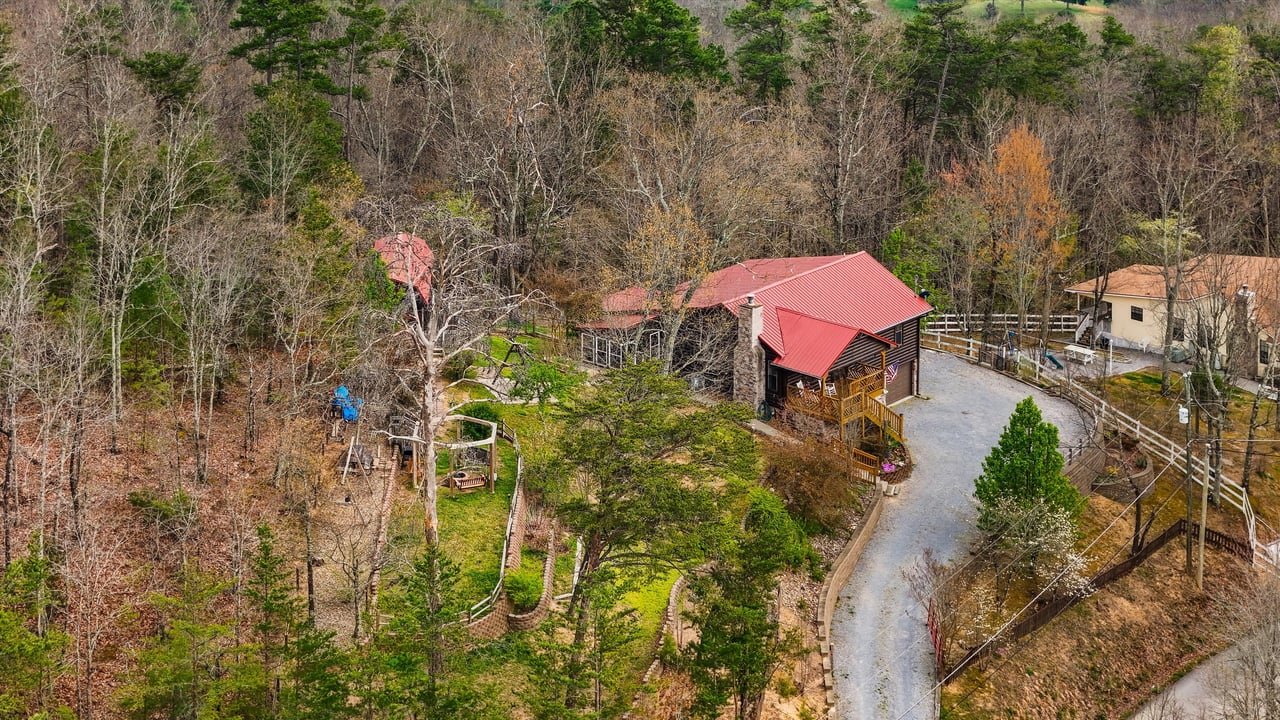
A furnished, proven Airbnb cabin with mountain views, priced at $525,000
Featured Listing
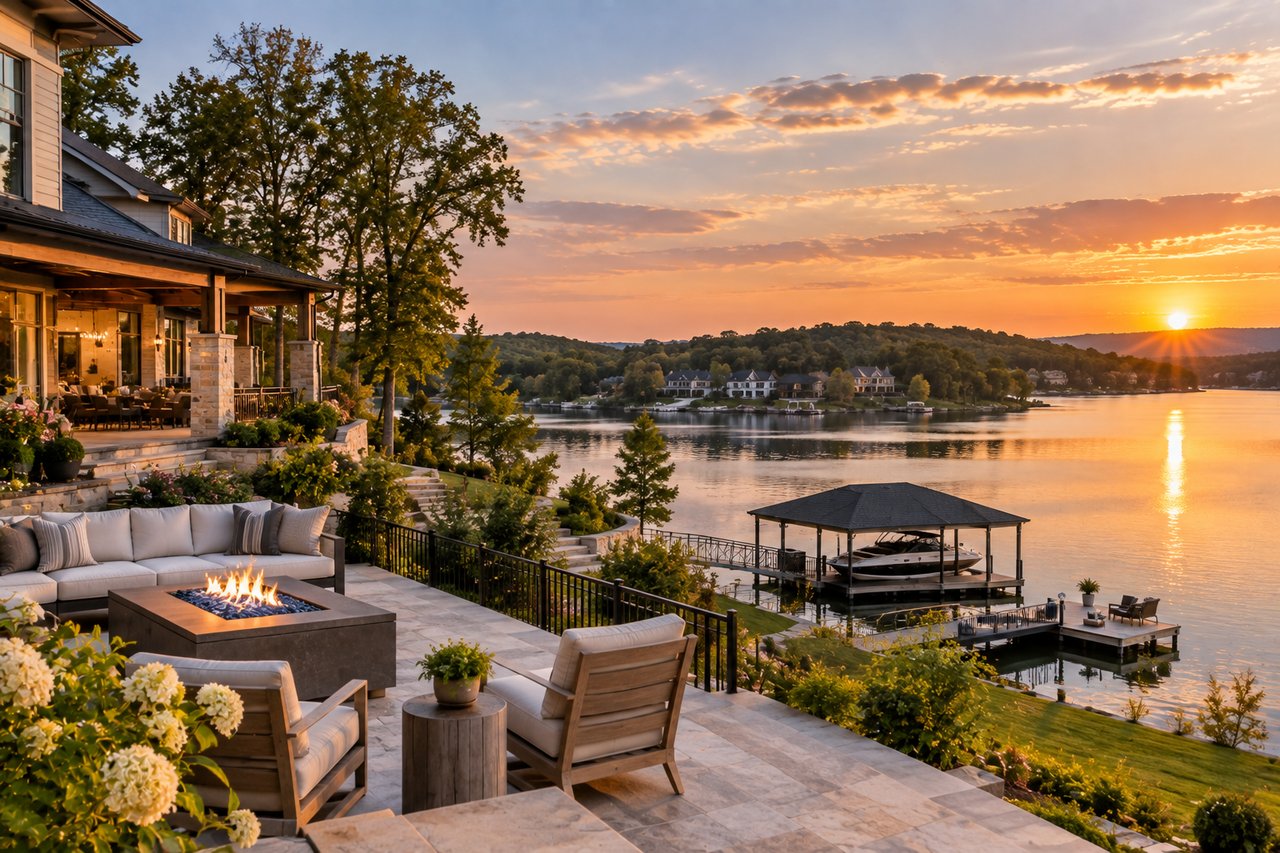
Why Old Hickory Lake's south shore is drawing buyers who want lake life without leaving Nashville behind
Neighborhood
Why Old Hickory Lake's south shore is drawing buyers who want lake life without leaving Nashville behind
Featured Listing
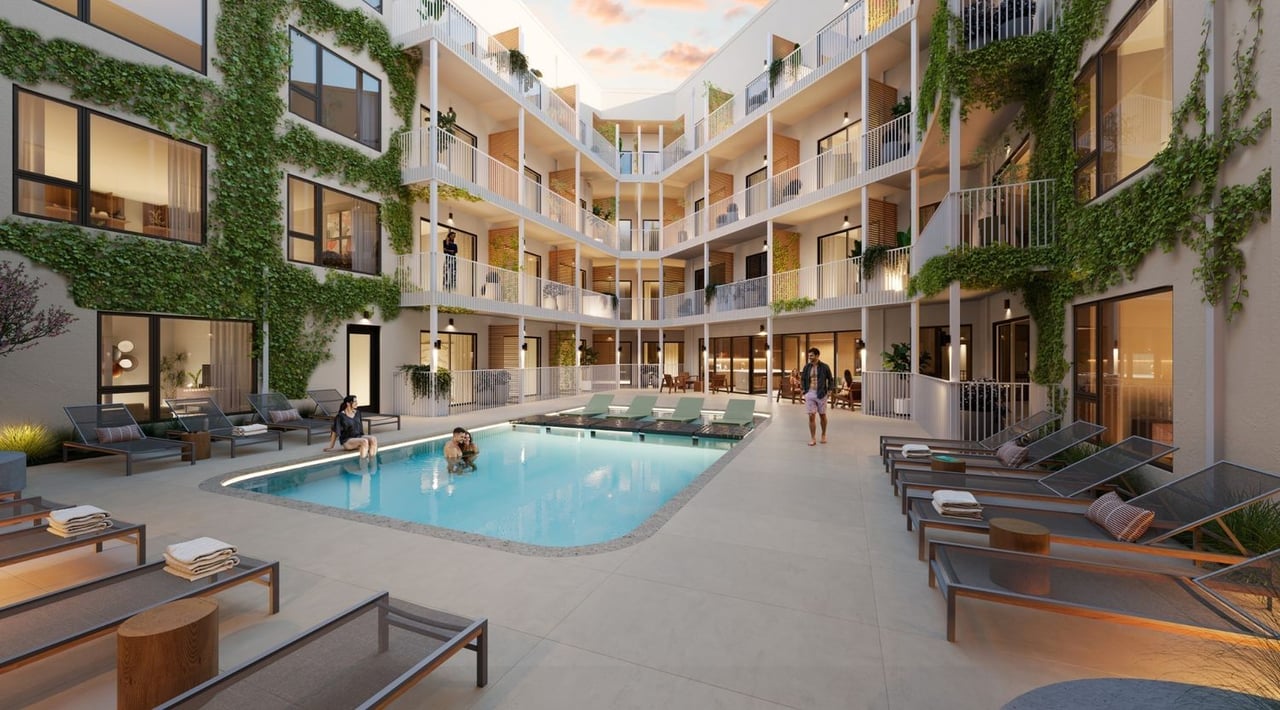
Inside The Modernest WeHo's current lineup, from a $309,900 studio to a $1.3 million three-bedroom
Buyers
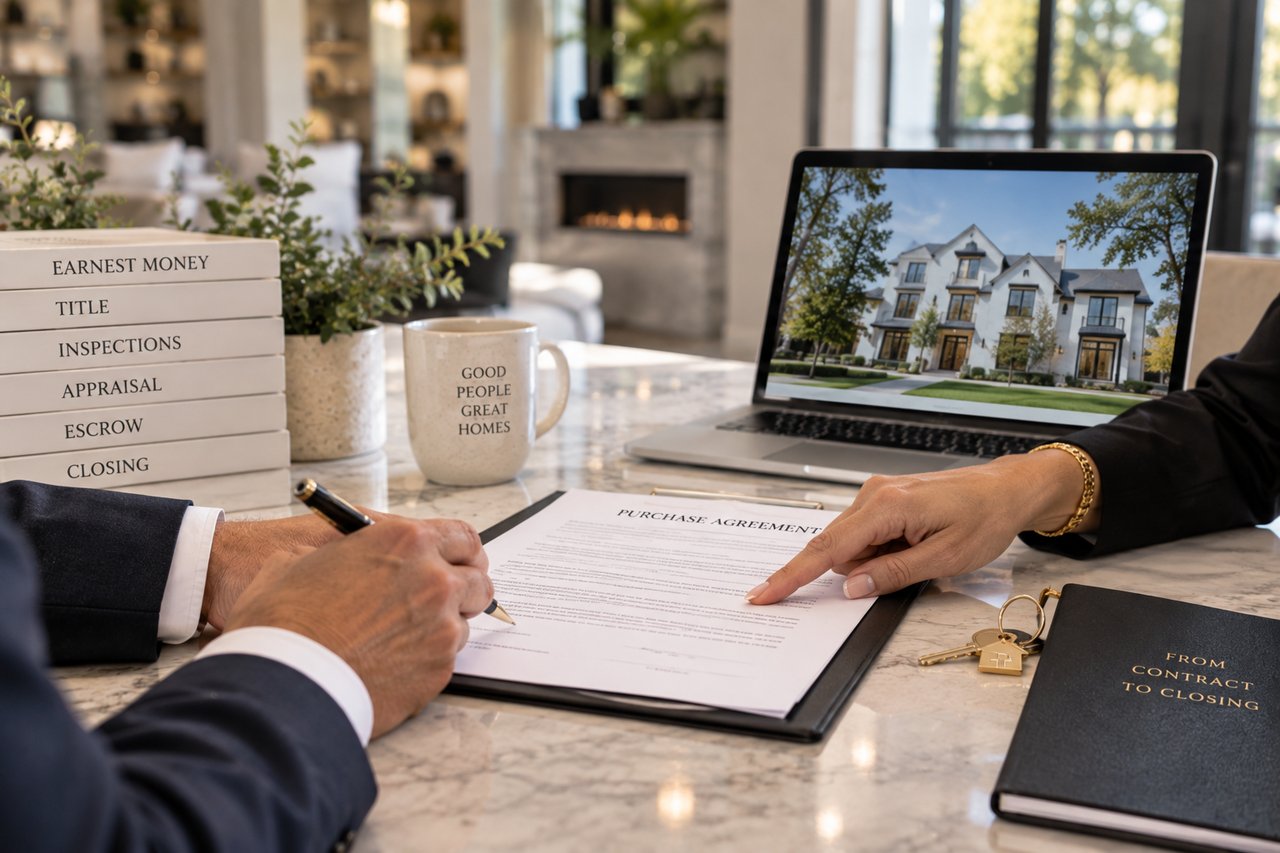
A step-by-step look at the weeks between a signed Tennessee contract and closing day
The client deserves the full service and attention that only a team of experts can consistently provide. Working with us, you will have the personal attention traditionally associated with the client-agent relationship improved by the professionalism and consistency of a thoughtful business model. And yes, superior results will follow!
MORRELL PROPERTY COLLECTIVE
(615) 593-3103
[email protected]
ADDRESS
3990 Hillsboro Pike, #320
Nashville, TN 37215