Where Are People Moving in Tennessee — And Why It Matters
Morrell Property Collective August 18, 2026
Morrell Property Collective August 18, 2026
Tennessee's population growth isn't news at this point — it's been one of the faster-growing states for years. What's more useful to understand is where within the state that growth is actually landing, since it isn't spread evenly. Some counties are adding residents by the tens of thousands. Others, even close to major cities, are growing much more slowly.
That distinction matters whether you're relocating, investing, or just trying to understand what's happening around you. This post breaks down Tennessee's growth at the state level, then looks at the specific counties around Nashville and Knoxville driving most of it — and what's actually pulling people there.
Tennessee's population stood at 7,315,076 as of July 1, 2025, a 5.8% increase since the April 2020 Census count of 6,910,840, according to the U.S. Census Bureau. That 2020 figure itself represented an 8.9% jump from 2010's 6,346,105 residents.
Between 2010 and 2019, the state added roughly 259,342 residents through net domestic migration, 79,086 through international migration, and 143,253 through natural increase (births minus deaths), per Census-sourced data. Migrants have come disproportionately from California, the Northeast, and the Midwest, drawn largely by lower cost of living and job growth.
Around Nashville, growth is concentrated in a handful of counties, each with a distinct driver:
County | Population Change | Primary Driver |
|---|---|---|
Williamson | 183,182 (2010) → 247,726 (2020), +35.2% | Wealthiest county in Tennessee by income; lifestyle and school draw |
Rutherford | 262,604 (2010) → 341,486 (2020) → 386,352 (2025 est.), +30% then +13% | Nissan (8,000 jobs), Amazon (2,700), State Farm (1,650) |
Maury (Spring Hill) | 29,036 (2010) → 50,005 (2020) → 59,398 (2024 est.), +72% then +19% | GM manufacturing plant; LG Energy Solutions $2.3B battery plant, operational March 2024 |
Wilson | 113,993 (2010) → 147,737 (2020), +30% | Nashville-commuter suburb growth, anchored by Mt. Juliet |
Figures from U.S. Census Bureau decennial counts and Census population estimates; see notes below for exact vintages.
Rutherford County's growth is expected to continue: a University of Tennessee study projects it will become the state's third-largest county by 2050. Spring Hill, meanwhile, was named the 4th fastest-growing city in Tennessee by the Census Bureau, driven almost entirely by manufacturing investment.
Knoxville's metro area grew from 837,571 in 2010 to 903,300 in 2020 — about 7.8% for the decade, more modest than Nashville's fastest-growing suburbs but still consistent expansion. Two counties tell most of that story:
Blount County, home to Maryville and bordering the Great Smoky Mountains, grew from 105,823 in 2000 to 135,280 in 2020 (+27.8% over two decades), anchored by manufacturing — Denso Manufacturing Tennessee alone employs around 3,000 people — plus its position within the Knoxville metro area.
Sevier County, home to Pigeon Forge and Gatlinburg, grew from 89,889 in 2010 to 98,380 in 2020, driven almost entirely by tourism rather than commuter growth. The Great Smoky Mountains National Park draws more than 10 million visitors annually, and Dollywood alone admits nearly 3 million guests a year, making Sevier County home to one of the state's largest tourism economies.
Cost of living and job growth are the two most-cited drivers, and Census migration data backs that up: between 2010 and 2019, net domestic migration into Tennessee totaled roughly 259,342 people, with disproportionate inflows from California, the Northeast, and the Midwest.
By percentage growth, Maury County's Spring Hill has outpaced most of the state, growing about 72% between 2010 and 2020 and adding nearly 9,400 more residents by 2024. The Census Bureau named it the state's 4th fastest-growing city, driven largely by GM's manufacturing plant and LG Energy Solutions' $2.3 billion battery facility.
Is Nashville still growing? Yes, though growth has shifted toward surrounding counties rather than the city core. Rutherford, Williamson, Wilson, and Maury counties have all added tens of thousands of residents over the past 5-15 years, while the broader Nashville metro area has grown into one of the nation's larger metros at over 2 million residents.
Where are people moving from to Tennessee? Census migration data from 2010-2019 shows disproportionate inflows from California, the Northeast, and the Midwest, generally citing lower cost of living and job opportunities as primary motivators.
Is Knoxville growing as fast as Nashville's suburbs? Not quite at the same pace. The Knoxville metro grew about 7.8% between 2010 and 2020, while some Nashville-area counties like Maury grew by 70% or more in the same period — though Knoxville-area counties like Blount have shown steady, sustained growth over two decades.
Does Tennessee's tax structure play a role in migration? Tennessee has no state income tax on wages, which is frequently cited as a factor in relocation decisions, though it's one of several factors alongside job growth and cost of living rather than the sole driver.
Why work with a specialist who tracks these growth corridors? Growth doesn't move evenly across a metro area — it clusters around specific employers, infrastructure, and lifestyle draws. A specialist familiar with these patterns can help you understand which areas are positioned for continued growth versus which have already priced it in.
Tennessee's growth isn't one story — it's several, playing out differently in Rutherford County's job-driven expansion, Spring Hill's manufacturing boom, Williamson County's established wealth, and Sevier County's tourism economy. Understanding which story applies to a given area matters more than the statewide growth number by itself.
If you're trying to figure out which part of Middle or East Tennessee actually fits your move, Morrell Property Collective can walk through the specifics with you. Call us at (615) 593-3103 to talk through your options.

Featured Listing
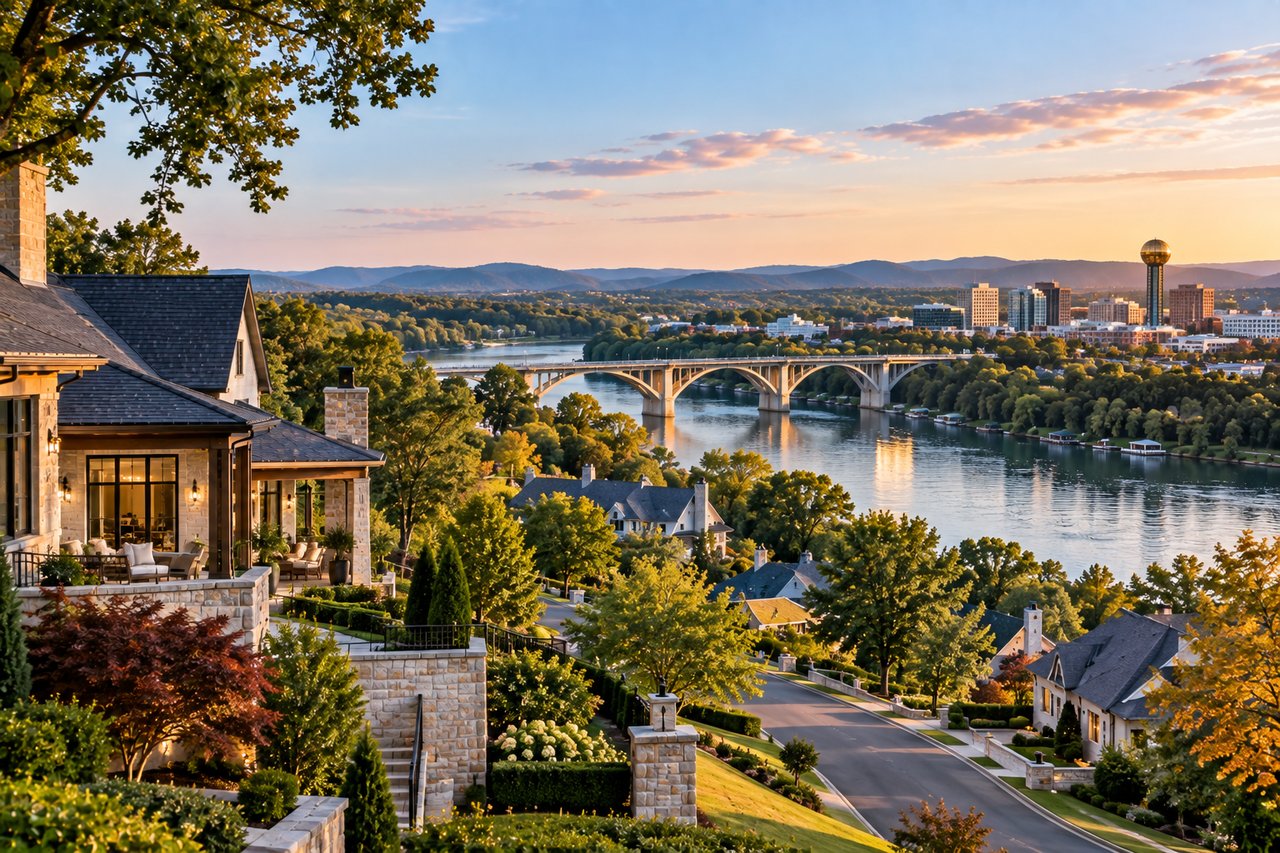
A look at the 129-residence community rising in Wedgewood-Houston, from its design team and amenities to its short-term rental flexibility
Neighborhood
What to know about Sequoyah Hills' history, homes, parks and lifestyle before you buy
Featured Listing
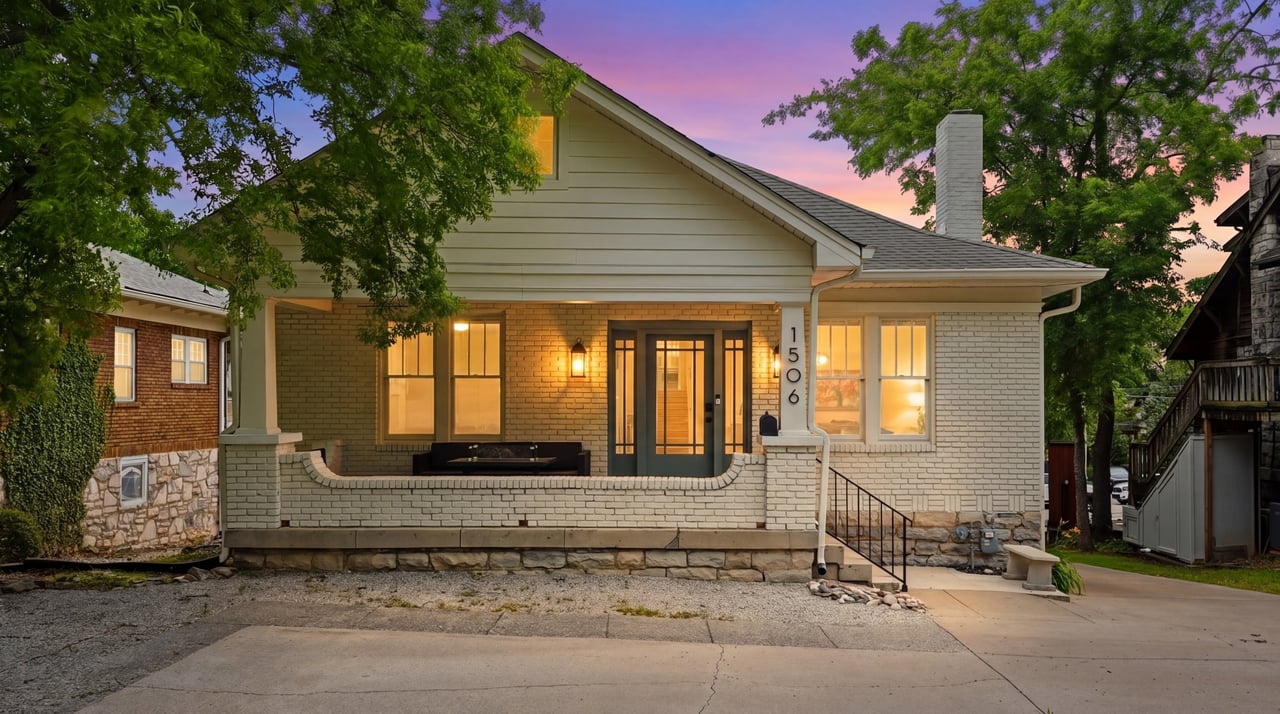
A 1925 home with a former recording studio, a main-level primary suite and the flexibility to live, work or create in one of Nashville's most walkable locations

Real Estate Market
The privacy, pricing and buyer-pool reasons behind Nashville's quiet luxury sales, plus the trade-offs to weigh
Featured Listing
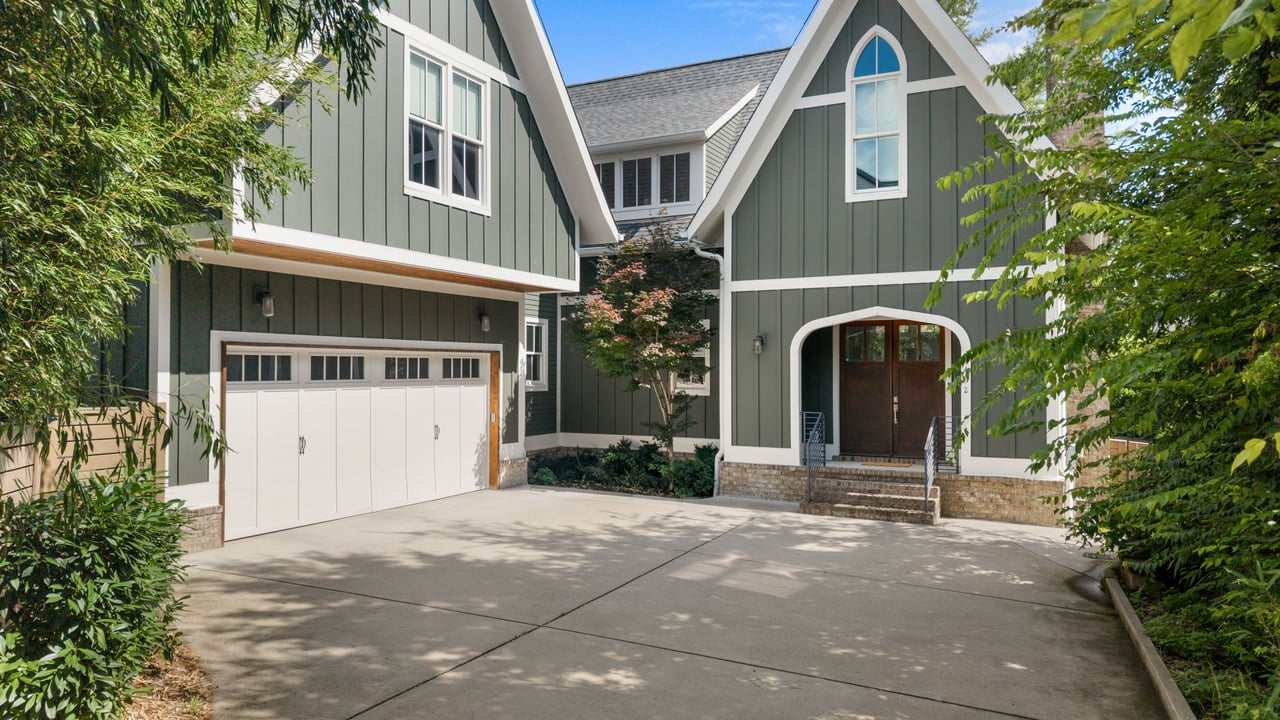
A 2017 Tudor with fresh 2025 updates, a private putting green and an easy connection to 12 South, Green Hills and Nashville's top universities

Buyers
A day-by-day look at what happens once your Nashville luxury home goes live, and why the first seven days matter so much
Featured Listing
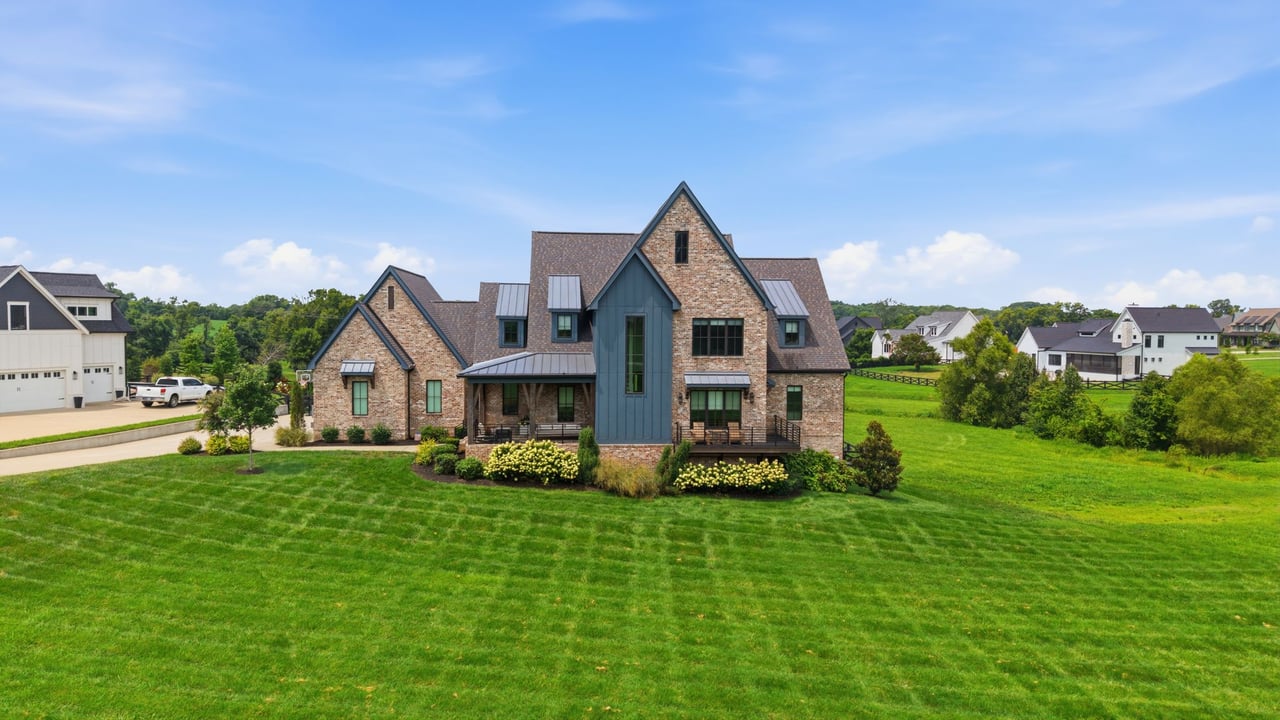
A 2022-built estate on 1.21 private acres, with a pool, a basement tornado shelter, and its own chicken coop

Buyers
Why paying cash isn't always the smartest move, even for buyers who can afford to
Featured Listing
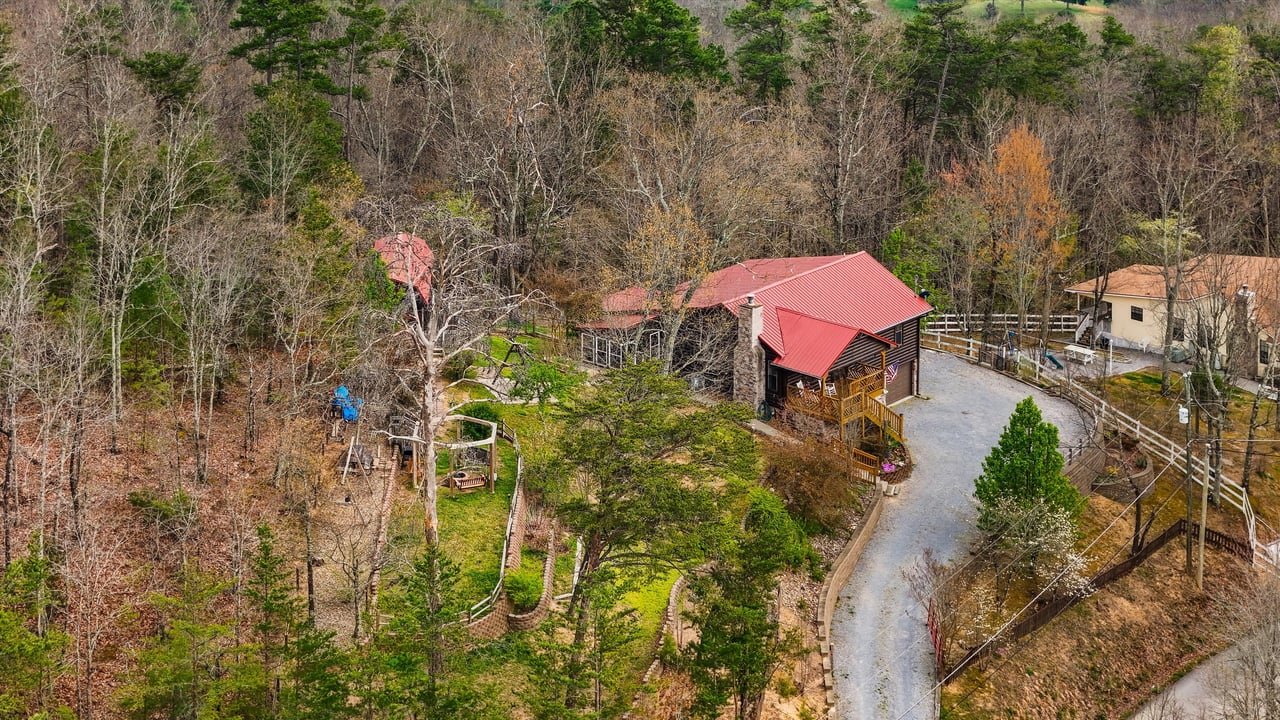
A furnished, proven Airbnb cabin with mountain views, priced at $525,000
The client deserves the full service and attention that only a team of experts can consistently provide. Working with us, you will have the personal attention traditionally associated with the client-agent relationship improved by the professionalism and consistency of a thoughtful business model. And yes, superior results will follow!
MORRELL PROPERTY COLLECTIVE
(615) 593-3103
[email protected]
ADDRESS
3990 Hillsboro Pike, #320
Nashville, TN 37215