What Makes a Truly Custom Luxury Home in Tennessee?
Morrell Property Collective August 19, 2026
MPC Expertise
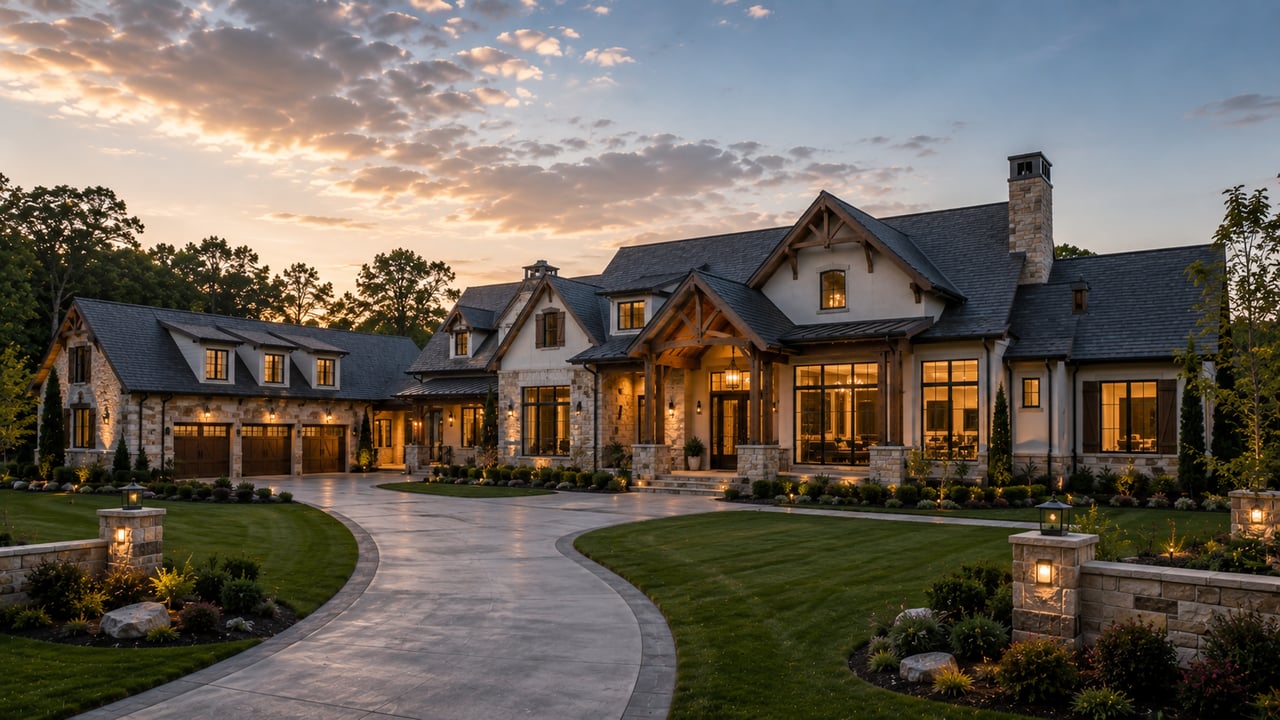
Morrell Property Collective August 19, 2026
MPC Expertise
Scroll through enough luxury listings and "custom" starts to lose meaning. It gets attached to homes built from a builder's existing plan set with upgraded finishes, to spec homes with a few walls moved, and to genuinely one-of-a-kind properties designed from scratch — all under the same word.
That's worth sorting out before you buy or build, especially as growth across Middle Tennessee has brought a wave of new construction marketed at the luxury tier. Not all of it is custom in any meaningful sense, and the difference affects both what you're actually getting and what the home is likely worth down the line.
This post lays out the real hallmarks of a truly custom luxury home, so you can evaluate a "custom" listing — or your own build — with a clearer eye.
As covered in our previous post on semi-custom versus fully custom homes, there's a real technical distinction between a home built from an existing plan with a defined set of options and one designed from a blank page. Marketing language doesn't always respect that distinction — "custom" gets applied to both, which is exactly why it's worth verifying rather than taking at face value.
A genuinely custom home has an architect who designed the floor plan specifically for that owner and that lot — not a builder's existing plan with cosmetic changes. Ask directly who the architect of record was. If the answer is vague, or the "customization" turns out to be finish selections layered onto an existing plan set, that's a semi-custom home wearing custom marketing.
One of the simplest ways to check authenticity: does the same floor plan appear elsewhere in the same neighborhood or builder's portfolio? A truly custom home shouldn't have a twin. If a near-identical layout is sitting three streets over with different countertops, the home was likely built from a repeatable plan rather than designed from scratch.
Custom design should respond to the specific lot — its topography, views, sun orientation, and any easements or setbacks — rather than being a plan that could be dropped onto any parcel. A home genuinely designed for its site often shows it in less obvious ways: how the main living spaces are oriented toward a view, how the grade is worked into the foundation, or how outdoor living areas relate to the lot's actual shape.
As we covered in our post on what determines luxury home value, materials and craftsmanship carry real weight — and that's especially true for verifying a custom claim. Custom millwork built for the specific space, made-to-order fixtures, and real stone or masonry rather than manufactured veneer are signs of genuine bespoke construction, as opposed to upgraded but standardized finish packages.
The clearest sign of a truly custom home is often the least visible one: layout decisions driven by how a specific owner actually lives, rather than generic marketing language like a "flex room" or "bonus space." A wine room sized around an actual collection, a primary suite laid out around a specific daily routine, or a studio built for a real hobby all point to design built around a person, not a demographic.
A spec home is built by a developer without a specific buyer in mind, using a plan chosen to appeal broadly to the market. A custom home is designed for a specific owner and lot from the start. The confusion arises because spec homes are sometimes marketed as "custom" once finishes are upgraded, even without a unique design behind them.
Not legally in every case, but a genuine custom home almost always has one. An architect of record designing specifically for the owner and lot is what separates true custom construction from a builder-modified stock plan — without that role, "custom" usually refers to selections rather than design.
How can you tell if a home is really custom built? Ask for the architect of record's name, check whether the floor plan repeats elsewhere in the area, and look for materials and layout decisions that clearly respond to the specific lot and owner rather than generic upgrades.
Is a renovated home considered custom? Not typically, unless the renovation was extensive enough to fundamentally redesign the structure with an architect involved. A well-renovated home can carry many of the same value drivers as a custom one without technically being custom.
Does a custom home always cost more than a semi-custom one? Generally, yes, since the design process itself takes longer and material choices are open-ended rather than selected from a defined list — though a heavily upgraded semi-custom home can close some of that gap.
What questions should I ask a seller about a "custom" listing? Ask who the architect was, whether the plan is unique to that property, and request any original design or permit documentation that confirms the home wasn't built from a repeatable plan set.
Why work with a specialist who can verify custom claims? A specialist familiar with local builders and architects can often tell, just from touring a home, whether "custom" reflects genuine bespoke design or upgraded standard construction — and can help you verify it before you pay a premium for the claim.
"Custom" should describe how a home was designed, not just how it was finished. The clearest signs — a named architect, a floor plan that doesn't repeat, site-specific design, and choices tied to how the owner actually lives — separate genuine bespoke construction from a well-appointed version of something more standard.
If you're evaluating a "custom" listing or planning to build one yourself, Morrell Property Collective can help you look past the marketing language to what's actually there. Call us at (615) 593-3103 to talk it through.
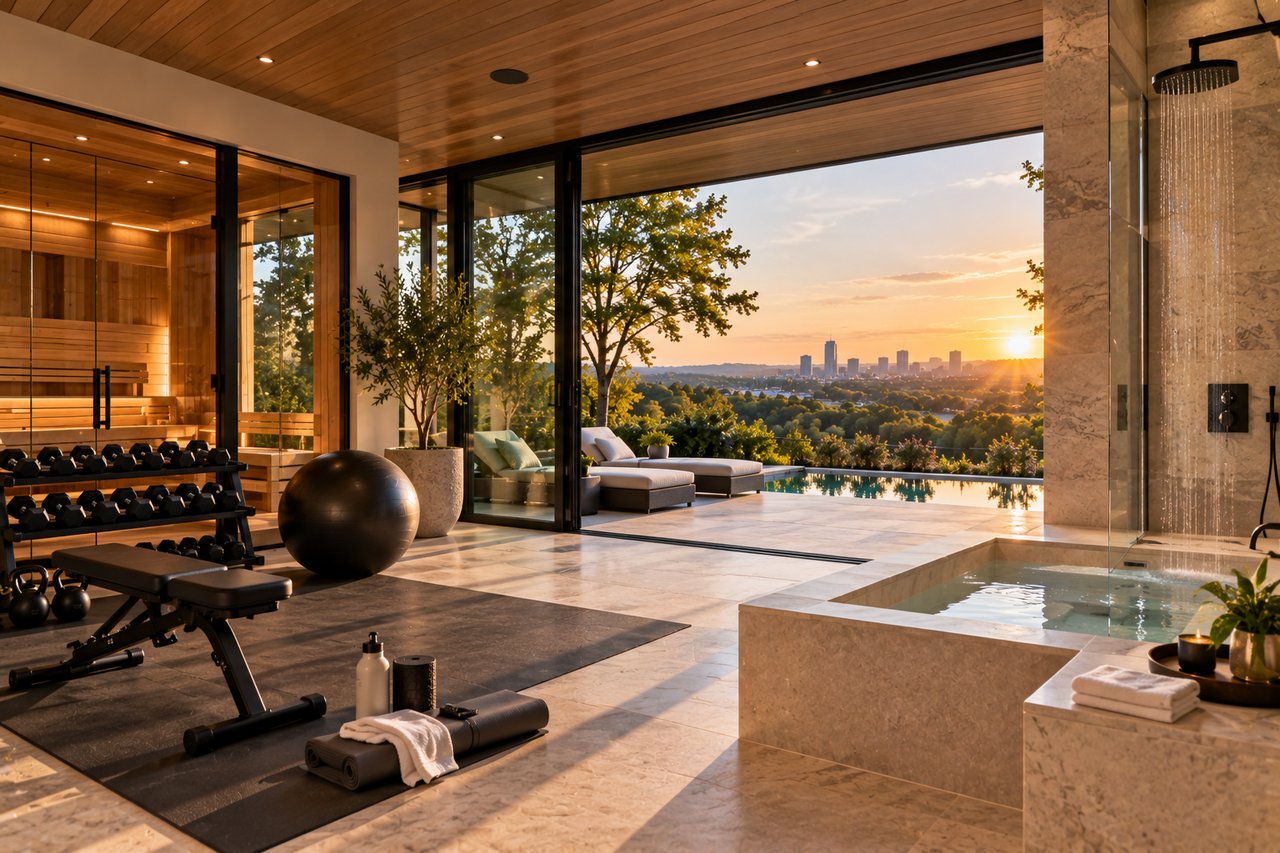
Real Estate Market
The spa-style, recovery and everyday-comfort features that make a luxury home feel good to live in, with real Nashville examples
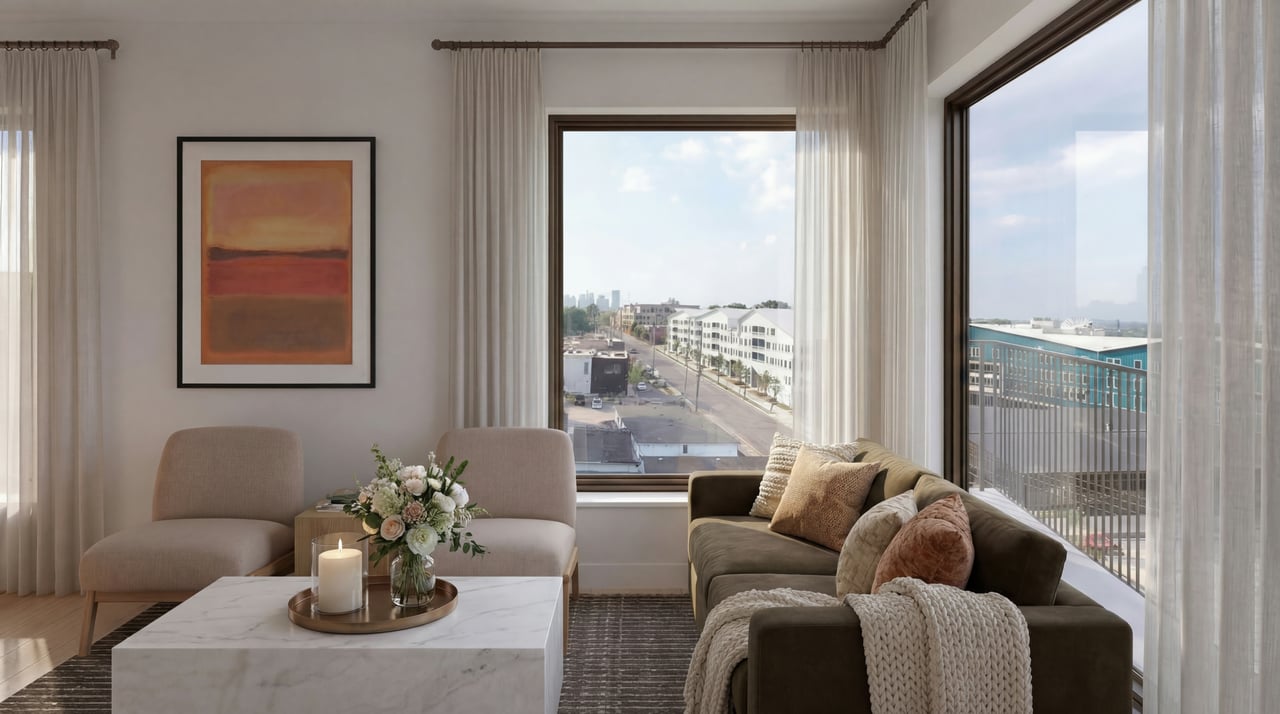
Featured Listing
A look at the 129-residence community rising in Wedgewood-Houston, from its design team and amenities to its short-term rental flexibility

Neighborhood
What to know about Sequoyah Hills' history, homes, parks and lifestyle before you buy
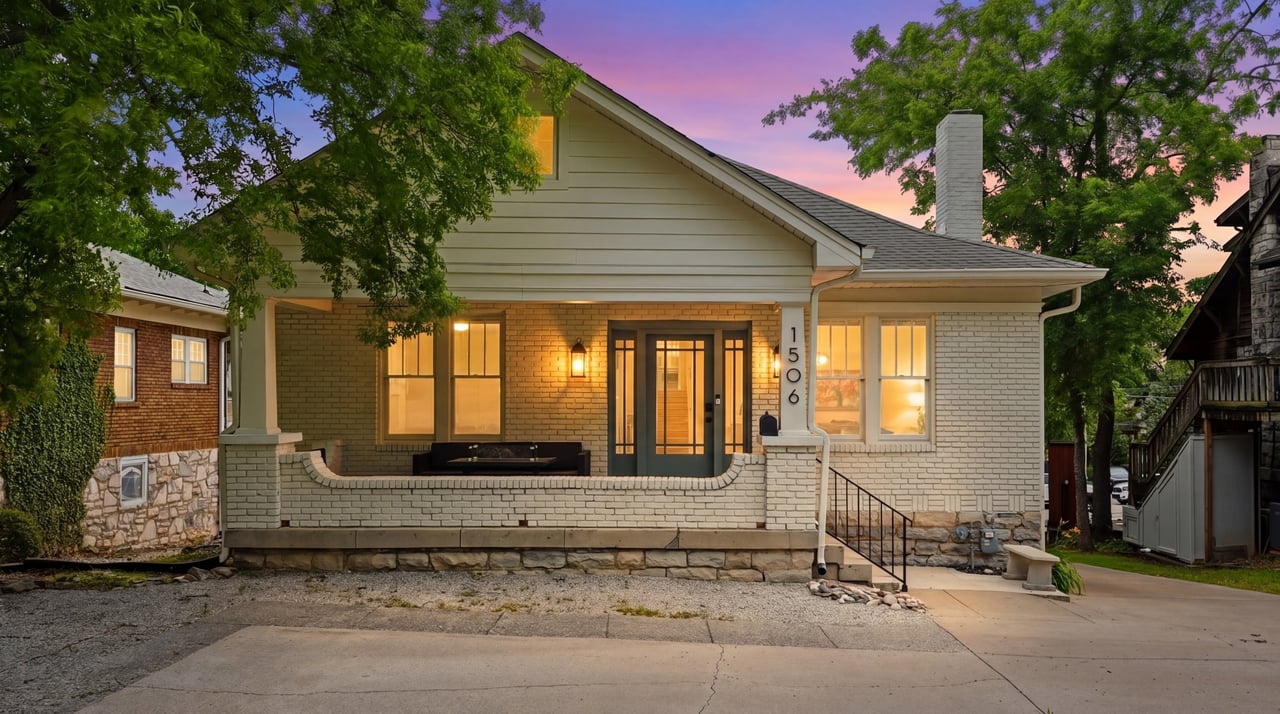
Featured Listing
A 1925 home with a former recording studio, a main-level primary suite and the flexibility to live, work or create in one of Nashville's most walkable locations

Real Estate Market
The privacy, pricing and buyer-pool reasons behind Nashville's quiet luxury sales, plus the trade-offs to weigh
Featured Listing
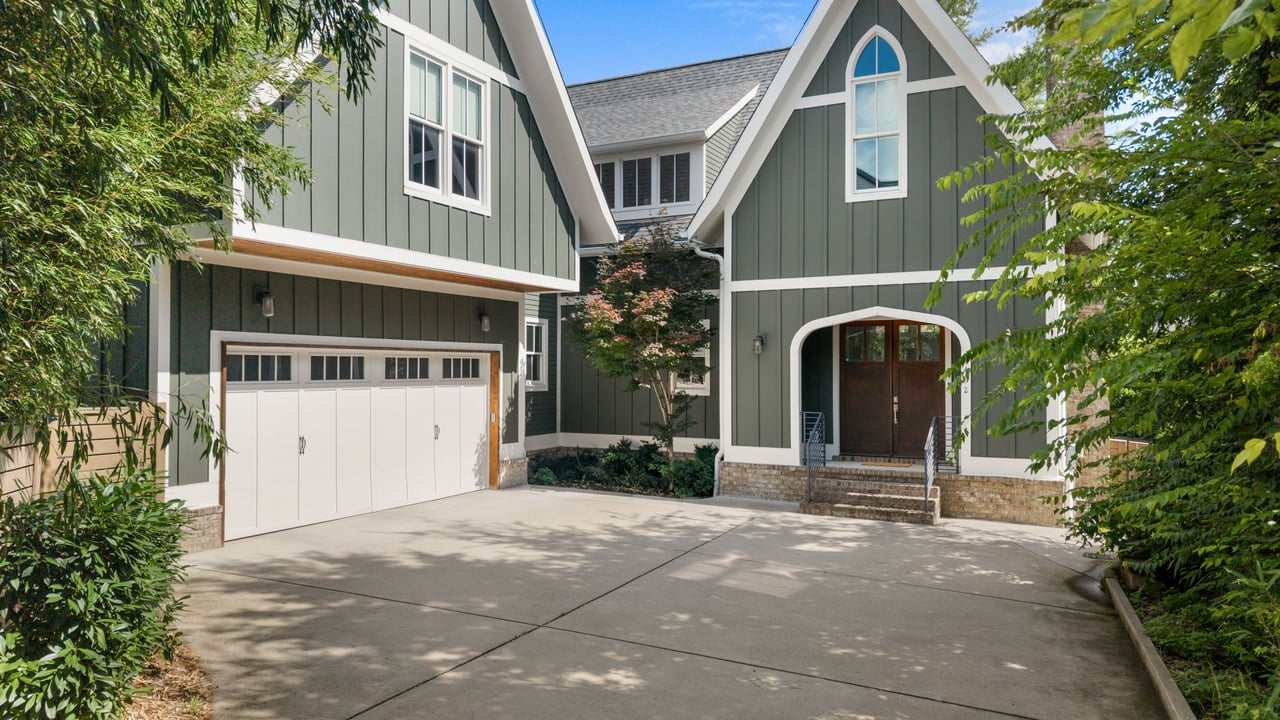
A 2017 Tudor with fresh 2025 updates, a private putting green and an easy connection to 12 South, Green Hills and Nashville's top universities
Buyers
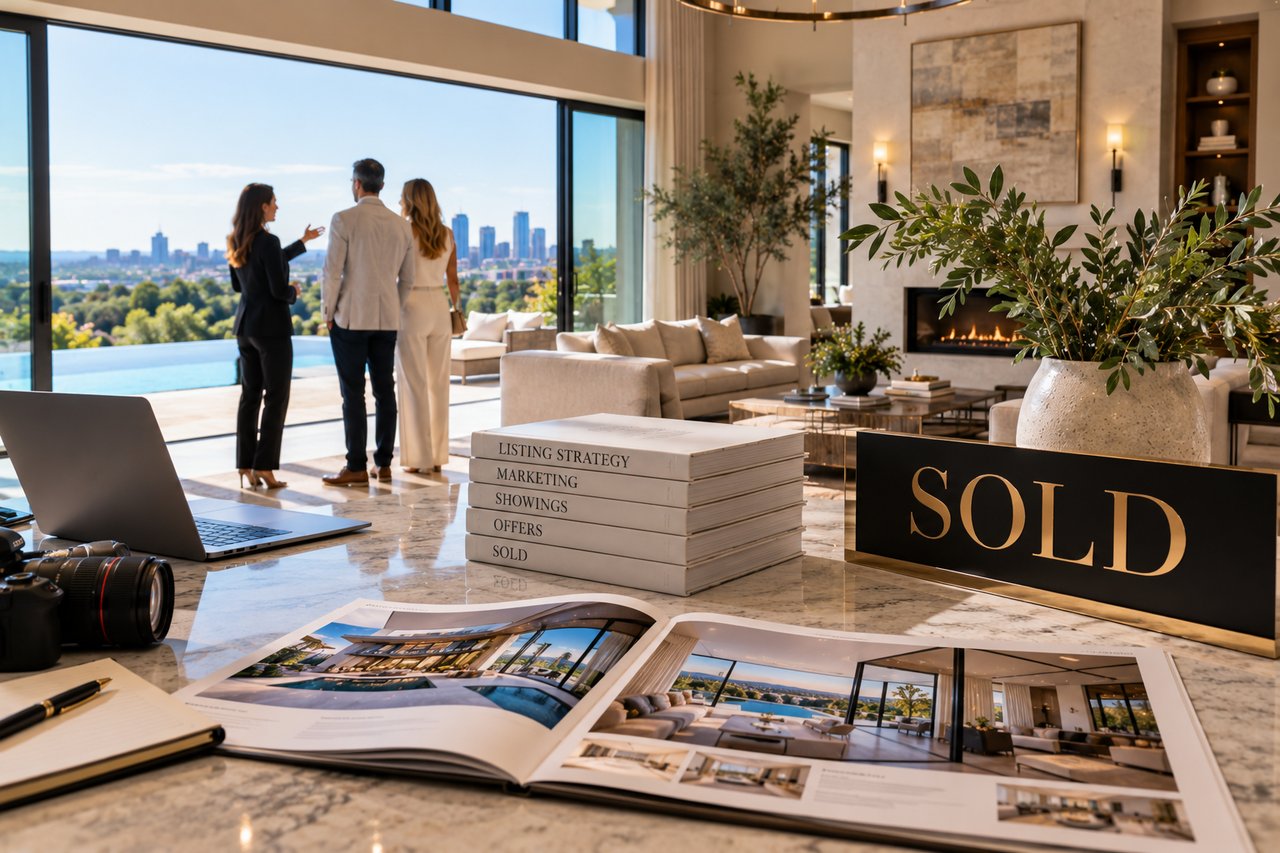
A day-by-day look at what happens once your Nashville luxury home goes live, and why the first seven days matter so much
Featured Listing
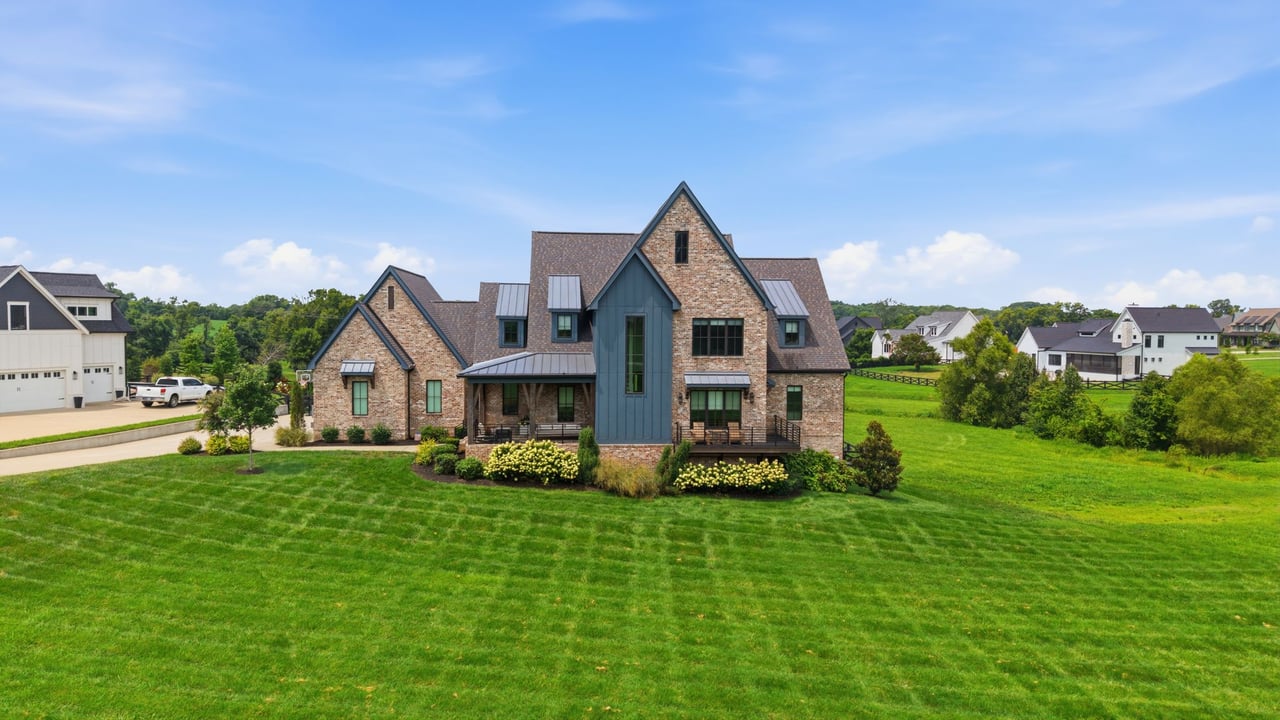
A 2022-built estate on 1.21 private acres, with a pool, a basement tornado shelter, and its own chicken coop
Buyers
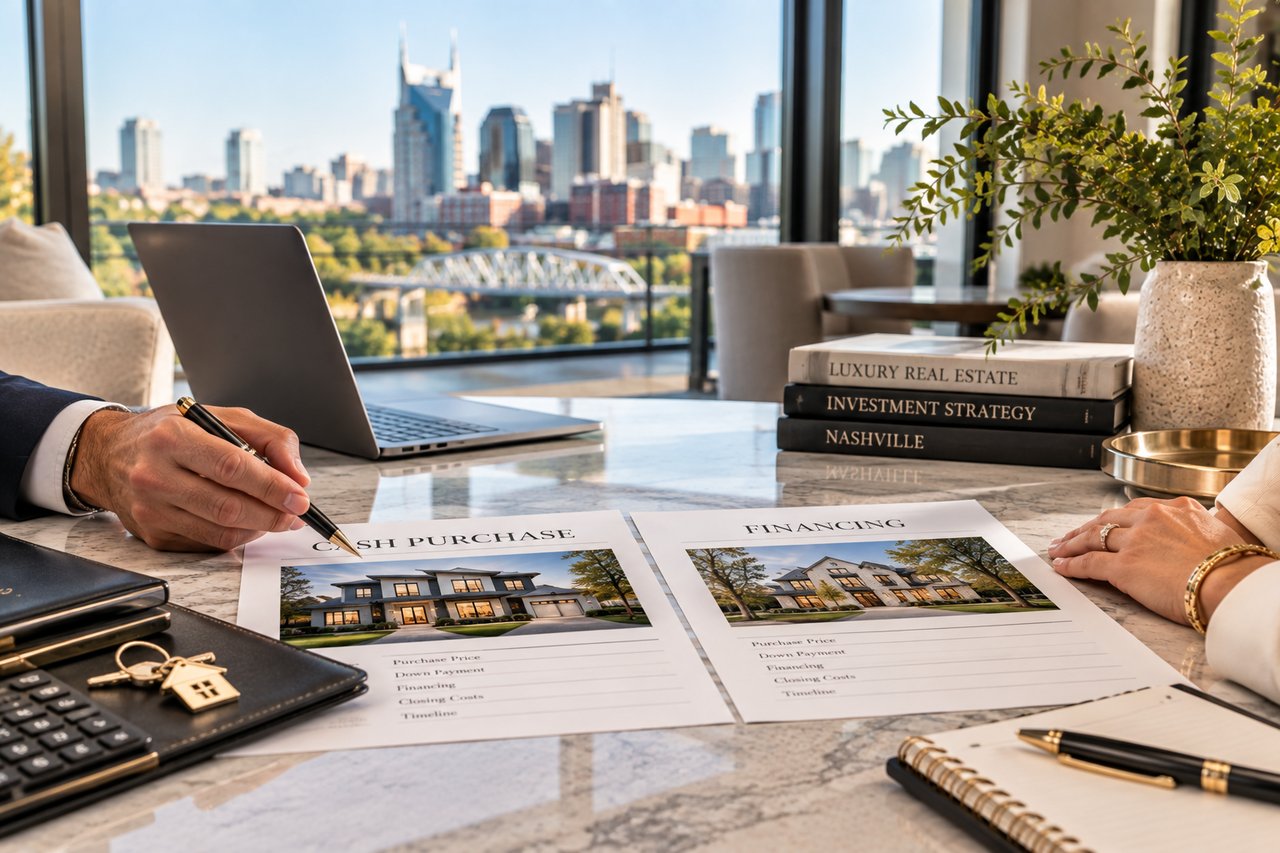
Why paying cash isn't always the smartest move, even for buyers who can afford to
The client deserves the full service and attention that only a team of experts can consistently provide. Working with us, you will have the personal attention traditionally associated with the client-agent relationship improved by the professionalism and consistency of a thoughtful business model. And yes, superior results will follow!
MORRELL PROPERTY COLLECTIVE
(615) 593-3103
[email protected]
ADDRESS
3990 Hillsboro Pike, #320
Nashville, TN 37215