The Real Benefits of Buying a Private Exclusive Home
Morrell Property Collective August 6, 2026
Buyers

Morrell Property Collective August 6, 2026
Buyers
We recently wrote about why a seller might choose to sell off-market instead of going fully public. The flip side of that decision matters just as much: if you're a buyer, private exclusives mean real inventory exists that you'll never find by scrolling a public portal. Compass, the country's largest residential brokerage by transaction volume, disclosed that 35% of its roughly 22,000 listings carried a "Private Exclusive" or "Coming Soon" tag as of its fourth-quarter 2024 earnings call — a meaningful share of the market that simply doesn't show up in a typical online search.
That's a real opportunity for buyers, but it's worth understanding honestly rather than assuming it's automatically a win. This post covers what buyers actually gain from private exclusives, and the one tradeoff worth knowing before you lean on one too heavily.
Key takeaways:
The term covers a few related but distinct situations: a true "pocket listing" that a broker holds privately and never files anywhere; a "coming soon" flag ahead of a public debut; and a "private exclusive" shared only inside a brokerage's own agent network, like Compass's. What they share is the absence of a public step — no MLS syndication, no Zillow or Redfin listing, no address a stranger can search and find.
What is a private exclusive listing? It's a home marketed only within a brokerage's internal agent network rather than through the public MLS and portals like Zillow. Compass's version is shared across its national network of agents, giving buyers working with a Compass agent access to inventory the broader public never sees.
The most direct benefit is simply access. Some sellers — particularly at the top of the market — never intend to go fully public at all. High-net-worth and privacy-focused sellers increasingly route sales through "whisper" listings specifically to avoid public exposure, treating discretion as a security decision rather than a pricing strategy. The clearest recent example of scale: media entrepreneur Len Blavatnik's $115 million off-market purchase of a Terry Semel oceanfront estate in East Hampton, which closed in July 2025 without ever appearing in a public listing — reportedly the most expensive single residential parcel ever sold in the Hamptons. That's an extreme example, but it illustrates a real pattern: some of the most desirable inventory anywhere never touches a public search at all.
A private exclusive is shared with a limited, invitation-only pool of buyers rather than everyone searching a public portal. Industry observers who track this dynamic note that a smaller buyer pool structurally caps upward price pressure, since the home is never tested against every possible bidder the way a public listing is. For a buyer, that often translates into a negotiation without a public multiple-offer deadline clock running against you.
Do private exclusive homes cost less than publicly listed ones? Not necessarily and not reliably — Compass's own transaction data associates pre-marketed listings with a 2.9% higher final sale price for sellers, though that figure is the brokerage's own claim rather than an independently audited industry average. What's more consistently true is that a smaller buyer pool tends to mean less bidding-war pressure for whichever buyer is actually at the table.
Private exclusives typically skip the public open house entirely — no strangers walking through on a Sunday, no public days-on-market clock ticking against the seller (or working in your favor as a buyer watching for a price drop). For buyers, that usually means a more relaxed viewing and due-diligence process, without the compressed timeline that a public listing with multiple competing offers often forces.
How do buyers get access to private exclusive listings? Almost always through an agent who's inside the relevant network — for Compass listings, that means working with a Compass agent, since Private Exclusives are shared internally across the brokerage's national agent base rather than published anywhere a buyer could search independently.
Here's the part worth saying plainly: buying without a public listing means buying with fewer public comparables. A private exclusive's price is set from private comps and a broker's read of the market rather than tested openly through a visible days-on-market signal. That's not necessarily bad, but it does mean a buyer's protection comes from the strength of their own agent's independent valuation, not from watching how a home performs in the open market. If your agent can't show you real comparable data and explain their reasoning, that's a legitimate reason to pause before making an offer on a private exclusive, no matter how appealing the access feels.
Is a private exclusive the same as a pocket listing? They're related but not identical. A true pocket listing is held entirely privately by one broker and never filed with the MLS at all. A private exclusive, like Compass's, is filed with the MLS but shared only within the brokerage's own agent network — a defined middle path recognized under NAR's current Multiple Listing Options for Sellers policy.
Can any buyer see Compass Private Exclusives? Only through a Compass agent. These listings are shared across Compass's national agent network rather than published to the general public, which is exactly why working with an agent inside that network matters if private exclusive access is something you want.
Why would a seller keep a home off the public market? Reasons range from genuine privacy concerns to testing a price quietly before committing to a public number, to simply already having a buyer in mind through their agent's network — it's rarely about hiding anything, more often about controlling the process.
Is it risky to buy a home without public comps? It carries more reliance on your agent's independent valuation than a publicly tested listing does, so it's worth asking directly how they arrived at a fair price and what comparable data they're using — not a reason to avoid private exclusives altogether, but a reason to ask good questions before you offer.
Why work with an agent inside the right network? Because private exclusives are, by definition, invisible to buyers searching independently — an agent with genuine access to a brokerage's internal network is the only way most buyers will ever see this segment of inventory at all.
Private exclusives give buyers real access to inventory that never touches a public search — often with less competition and a calmer process than a public listing's compressed timeline. The honest tradeoff is thinner public comp data, which makes the strength of your agent's independent valuation more important, not less.
If you want to see what's available through Compass's Private Exclusives network in Nashville or Knoxville, Morrell Property Collective can get you access. Call or text (615) 593-3103 to start looking.

Neighborhood
Where the season actually shows up in Middle Tennessee

Featured Listing
A room-by-room look at life above downtown Nashville

Real Estate Market
Concierge service, skyline views, and two decades as a downtown fixture
Featured Listing
Low-maintenance, amenity-rich living just south of downtown
Featured Listing
A countryside estate defined by land, privacy, and views — not square footage
Buyers
Why it matters even more when the stakes — and the systems — are bigger
Buyers
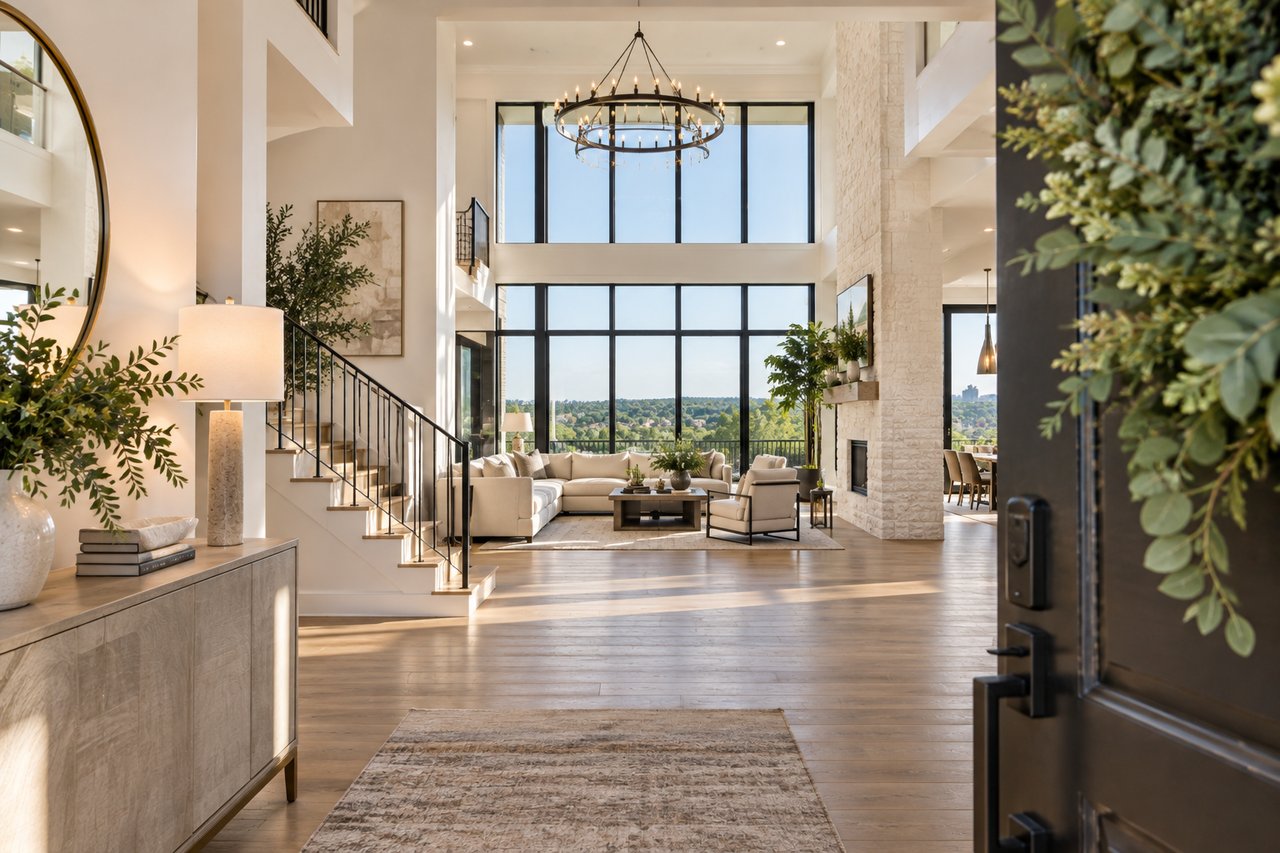
The real data on which rooms and details shape a buyer's first impression — and why it matters more in a market where nearly half of listings don't sell.
Neighborhood
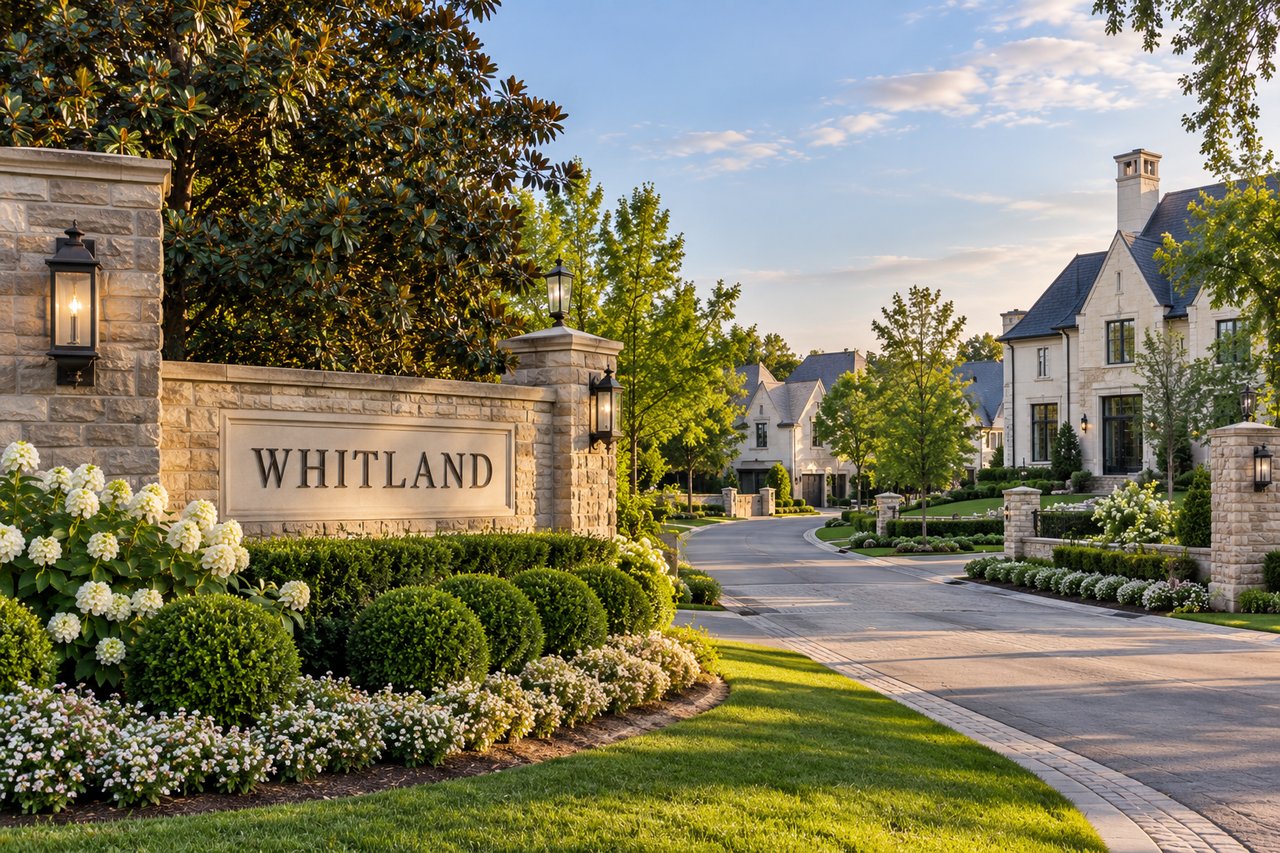
What to know about the tree-lined streets, 1920s architecture, and real price range behind one of West End's quietest luxury addresses.
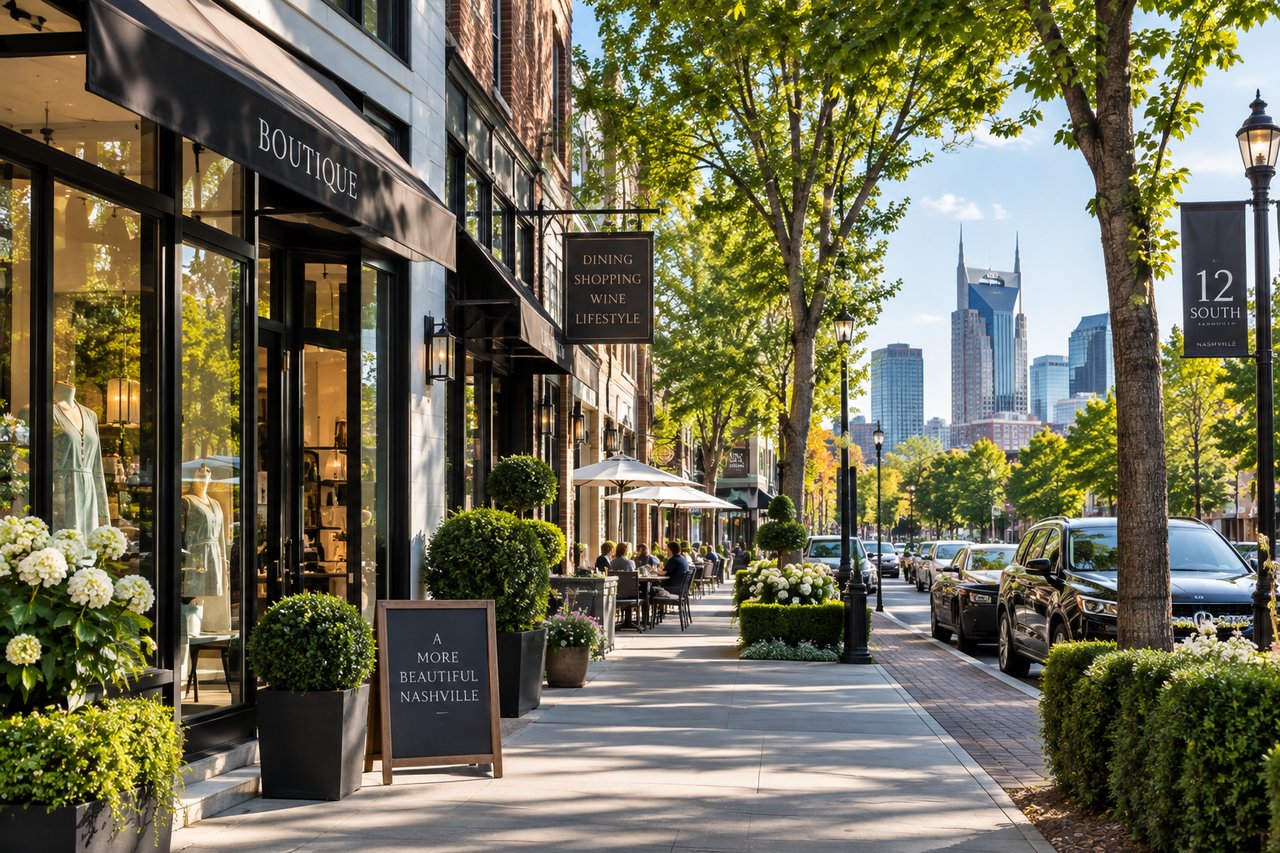
Real Walk Scores, real prices, and the one prestigious neighborhood that isn't nearly as walkable as its reputation suggests.
The client deserves the full service and attention that only a team of experts can consistently provide. Working with us, you will have the personal attention traditionally associated with the client-agent relationship improved by the professionalism and consistency of a thoughtful business model. And yes, superior results will follow!
MORRELL PROPERTY COLLECTIVE
(615) 593-3103
[email protected]
ADDRESS
3990 Hillsboro Pike, #320
Nashville, TN 37215