Semi-Custom vs. Fully Custom Homes: What's the Difference?
Morrell Property Collective August 19, 2026
MPC Expertise
Morrell Property Collective August 19, 2026
MPC Expertise
"Custom" gets used loosely in home building, and it's easy to assume semi-custom and fully custom are just two flavors of the same thing. They're not. The real difference comes down to how much of the design is already decided before you get involved, and that single distinction drives most of the practical differences in cost, timeline, and creative control.
That distinction is especially relevant right now in Middle Tennessee, where buyers can choose between structured, builder-guided communities and open lots where an architect starts from a blank page. Knowing which category a project actually falls into — before signing anything — prevents a lot of mismatched expectations later.
This post breaks down what each path really means, where they diverge, and how to think about which one fits.
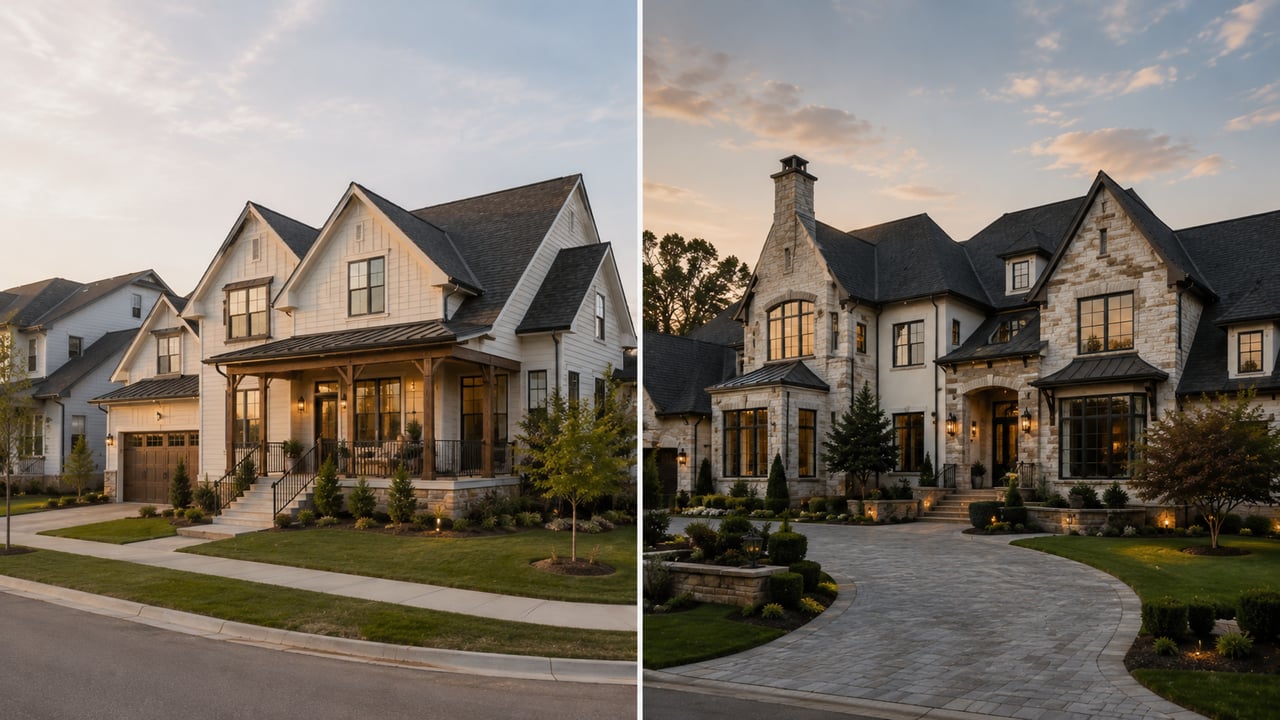
A semi-custom home starts with an existing floor plan from a builder's portfolio, which the buyer then modifies within a defined set of options — finish packages, some layout tweaks, structural add-ons like a bonus room or extended garage. The floor plan itself has already been engineered, which is what keeps the process faster and more predictable than starting from scratch.
This model is common in master-planned communities with design guidelines and a limited group of approved builders. Westhaven, a 20-year-old master-planned community in Franklin about 14 miles from downtown Nashville, is a well-known example of the kind of structured environment where semi-custom building typically happens — built around defined design standards rather than an open-ended architectural process.
A fully custom home starts from a blank page. An architect designs the floor plan around the buyer's specific priorities, on land the buyer typically owns individually rather than inside a single developer's planned community. Every structural and material decision — layout, room dimensions, roofline, window placement — is open, which is what gives fully custom building its defining flexibility.
This is the same process covered in our previous post on what to expect during a luxury home build: land due diligence, design revisions, permitting, and construction, all without a pre-set floor plan constraining the starting point.
Semi-Custom | Fully Custom | |
|---|---|---|
Starting point | Existing floor plan with defined options | Blank-page design with an architect |
Typical setting | Planned community with design guidelines | Individually owned lot |
Design flexibility | Finishes and limited layout changes | Full structural and layout control |
Timeline | Generally faster — fewer design revision rounds | Generally longer — design finalized from scratch |
Cost predictability | More predictable, defined options list | Less predictable, open-ended material and structural choices |
The tradeoffs are consistent: semi-custom trades some creative control for speed and predictability, while fully custom trades that predictability for maximum control over the finished result.
Fully custom gives you control over the home's structure and layout — the fundamentals a semi-custom floor plan has already locked in. Semi-custom gives you control over finishes and selections, but within a framework someone else designed. Neither is more "custom" in an absolute sense; they're custom in different parts of the process.
Generally, yes, though it depends on the specific options selected — a heavily upgraded semi-custom home can approach fully custom pricing. The predictability comes from a defined options list rather than open-ended structural and material decisions, which keeps semi-custom budgets more contained even when the final price isn't dramatically lower.
Can you change the floor plan in a semi-custom home? Usually only within limits — most semi-custom builders allow modest layout changes, like moving a wall or adding a room, but not a full redesign of the plan's structure or footprint.
Do semi-custom communities require an approved builder? Many do. Planned communities with design guidelines commonly work with a limited group of builders who already understand the community's standards, rather than allowing any outside builder or architect.
What's the difference between custom and production homes? Production homes are built from a fixed catalog of plans with little to no buyer modification, typically across an entire subdivision. Semi-custom and fully custom both allow buyer input, just to different degrees — production homes generally don't.
How long does a semi-custom home take to build compared to fully custom? Semi-custom builds are generally faster since the floor plan is already engineered and the options list is defined, while fully custom timelines depend heavily on design revision rounds and material lead times that don't apply the same way to a pre-set plan.
Why work with a specialist when choosing between the two? A specialist familiar with local builders and communities can help you understand which planned communities offer genuine design flexibility versus which are more restrictive, and whether a given lot supports a fully custom build at all.
Semi-custom and fully custom aren't points on the same scale — they're different processes suited to different priorities. One offers speed and predictability within a defined framework; the other offers full control at the cost of both. Knowing which one a specific project or community actually offers, before you commit, is what prevents the mismatch.
If you're deciding between a semi-custom community and a fully custom build, Morrell Property Collective can help you understand what a specific lot or neighborhood actually allows. Call us at (615) 593-3103 to talk through your options.
Real Estate Market
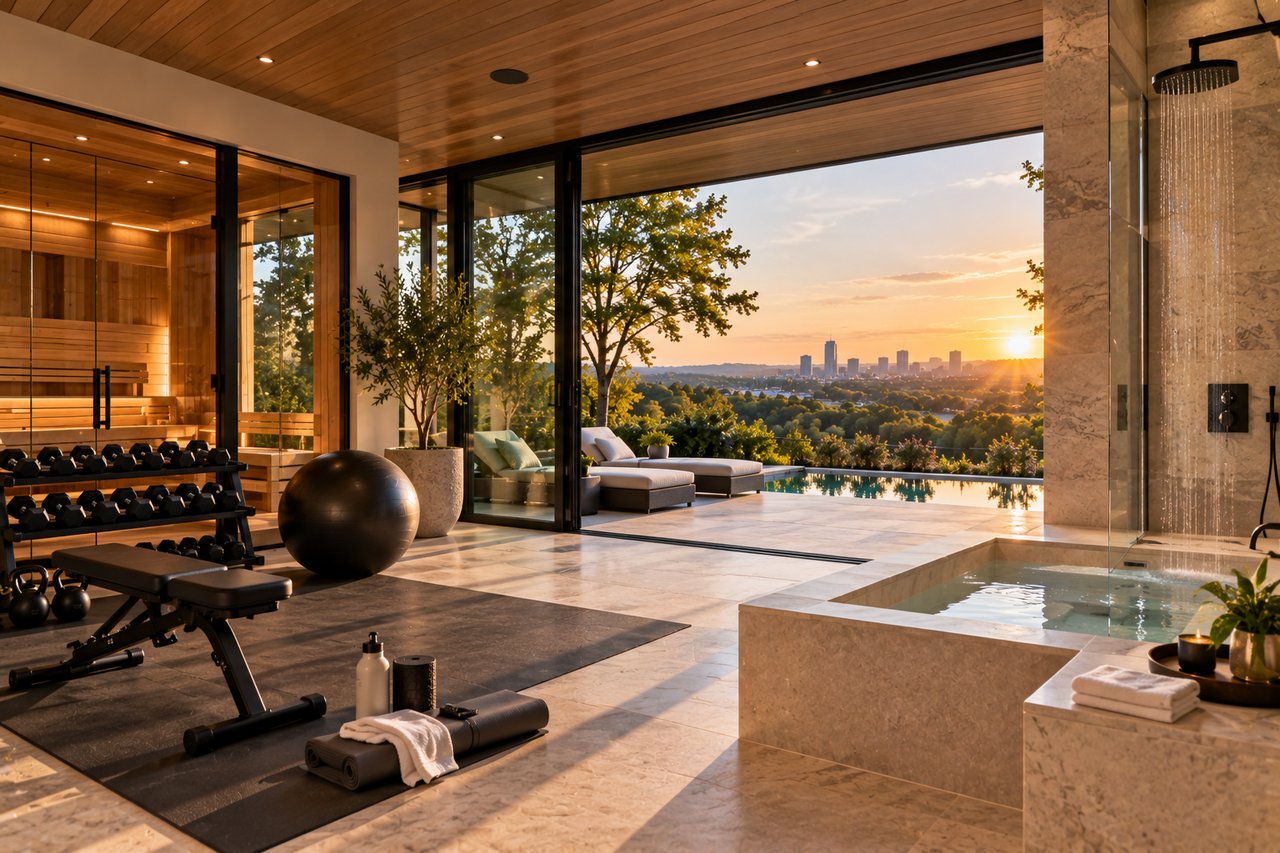
The spa-style, recovery and everyday-comfort features that make a luxury home feel good to live in, with real Nashville examples
Featured Listing
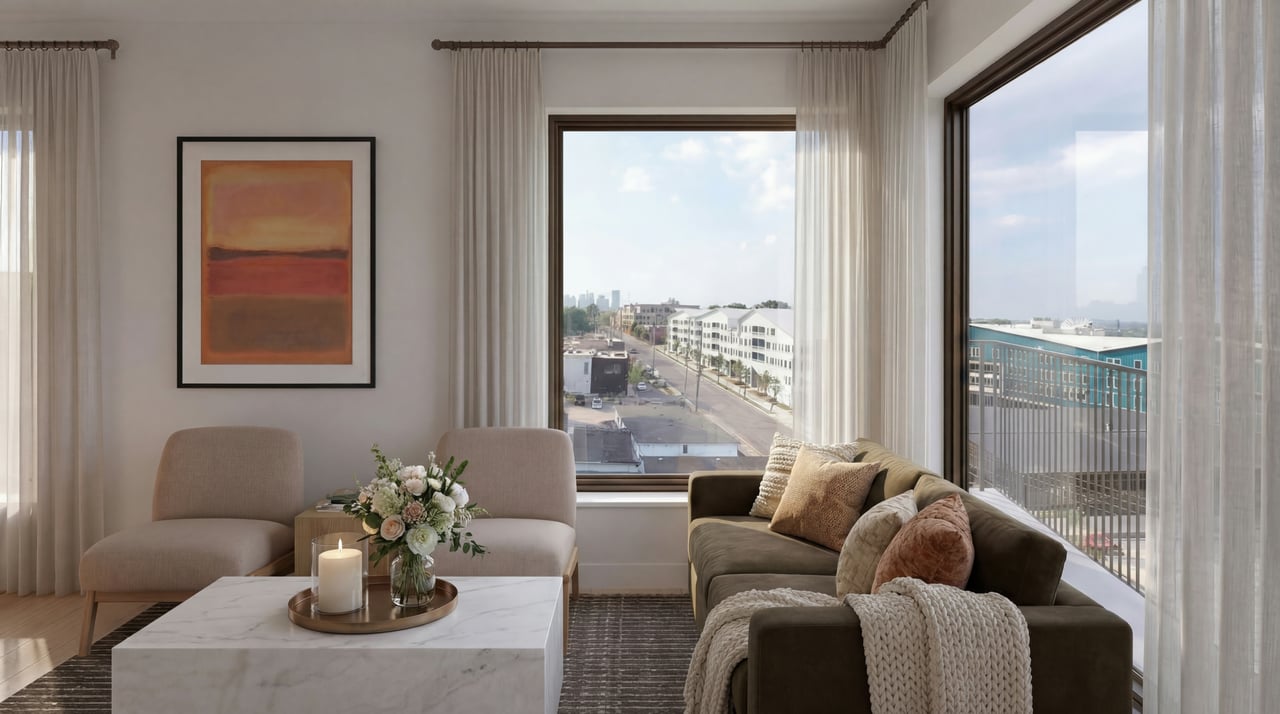
A look at the 129-residence community rising in Wedgewood-Houston, from its design team and amenities to its short-term rental flexibility
Neighborhood
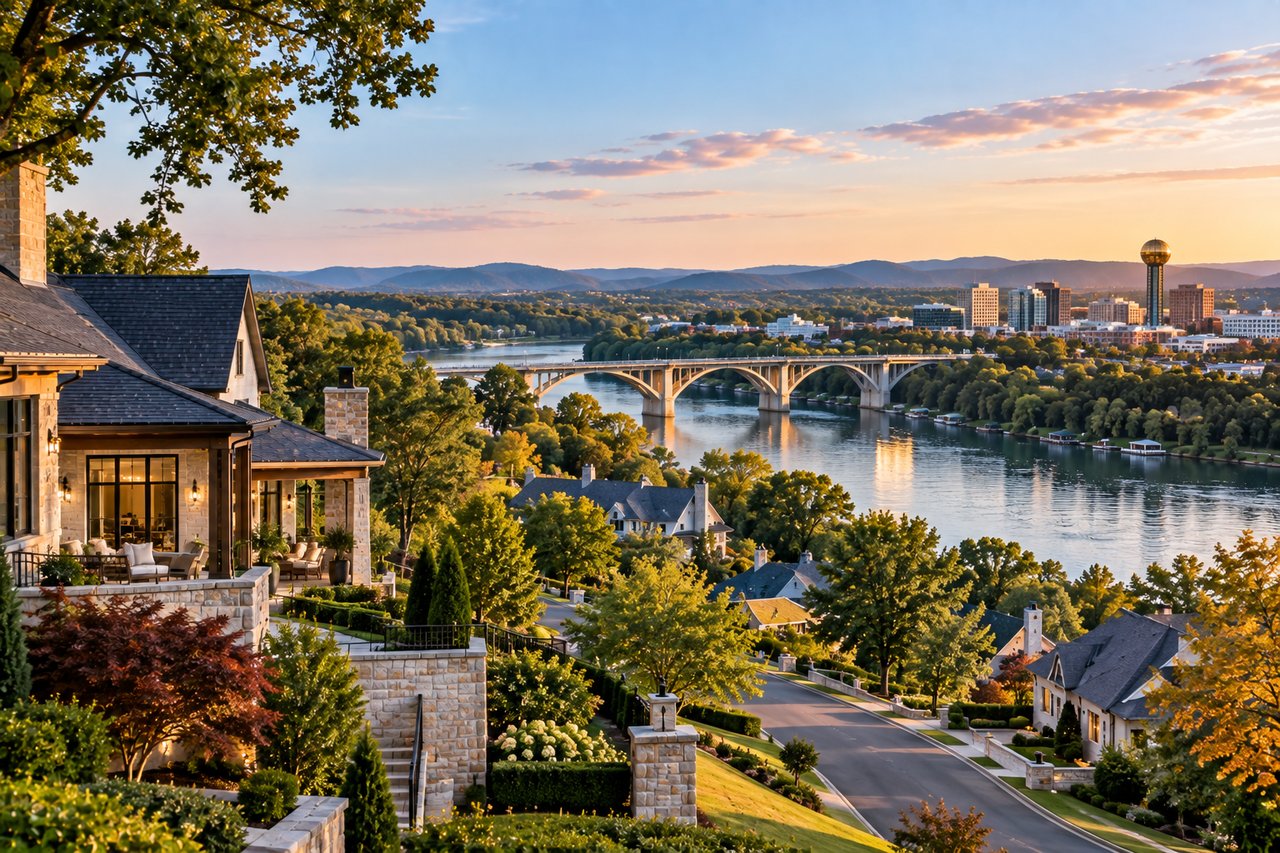
What to know about Sequoyah Hills' history, homes, parks and lifestyle before you buy
Featured Listing
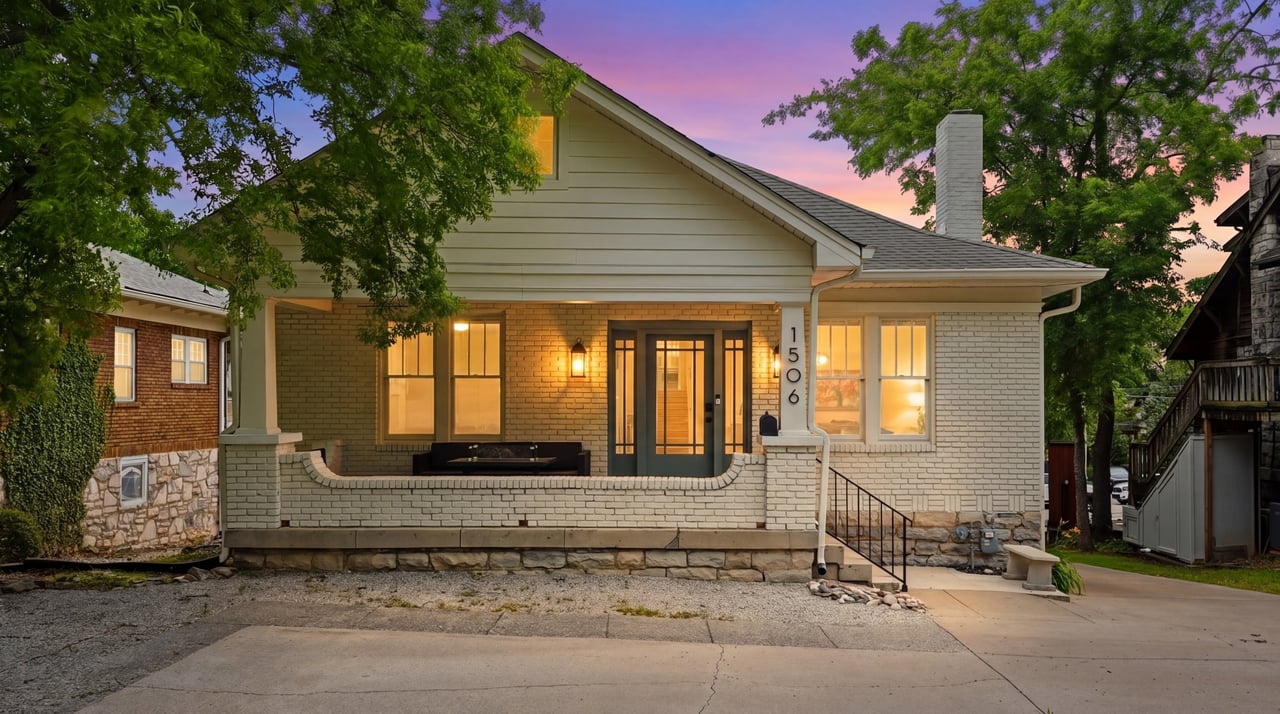
A 1925 home with a former recording studio, a main-level primary suite and the flexibility to live, work or create in one of Nashville's most walkable locations
Real Estate Market
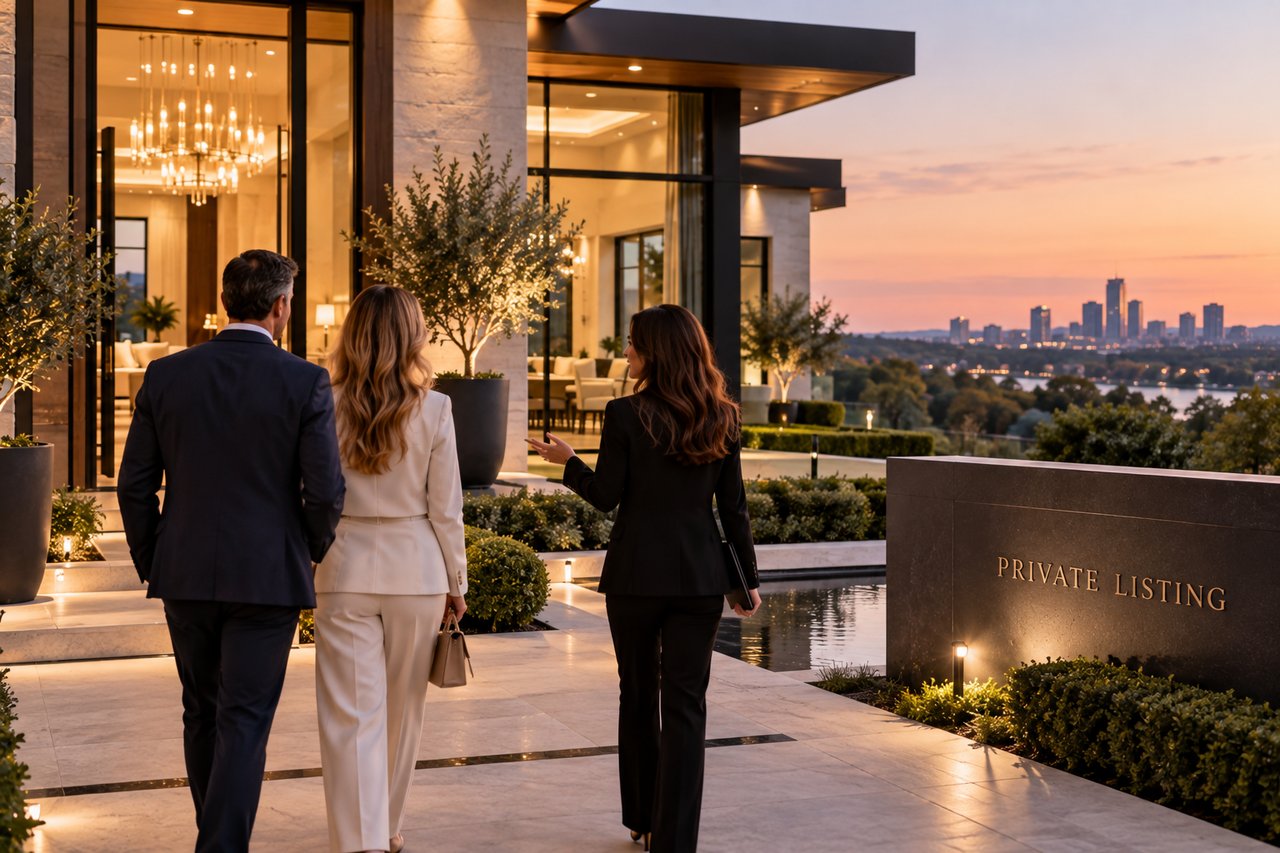
The privacy, pricing and buyer-pool reasons behind Nashville's quiet luxury sales, plus the trade-offs to weigh
Featured Listing
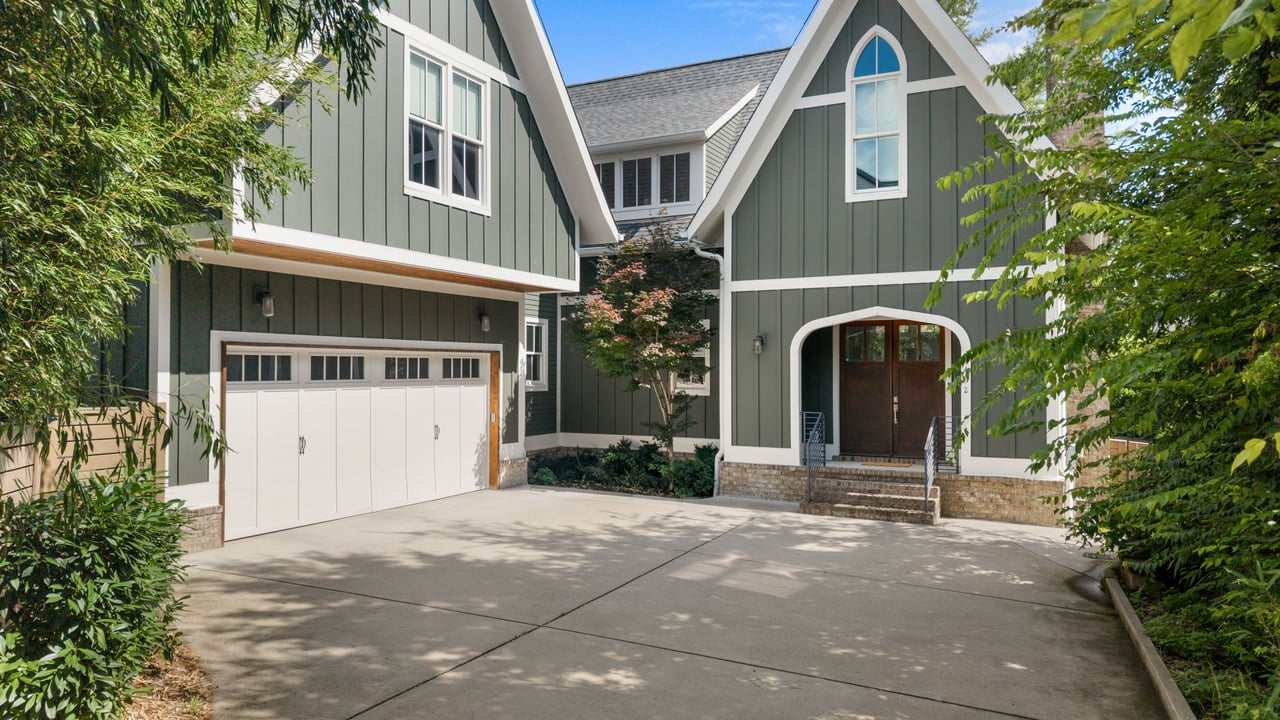
A 2017 Tudor with fresh 2025 updates, a private putting green and an easy connection to 12 South, Green Hills and Nashville's top universities
Buyers
A day-by-day look at what happens once your Nashville luxury home goes live, and why the first seven days matter so much
Featured Listing
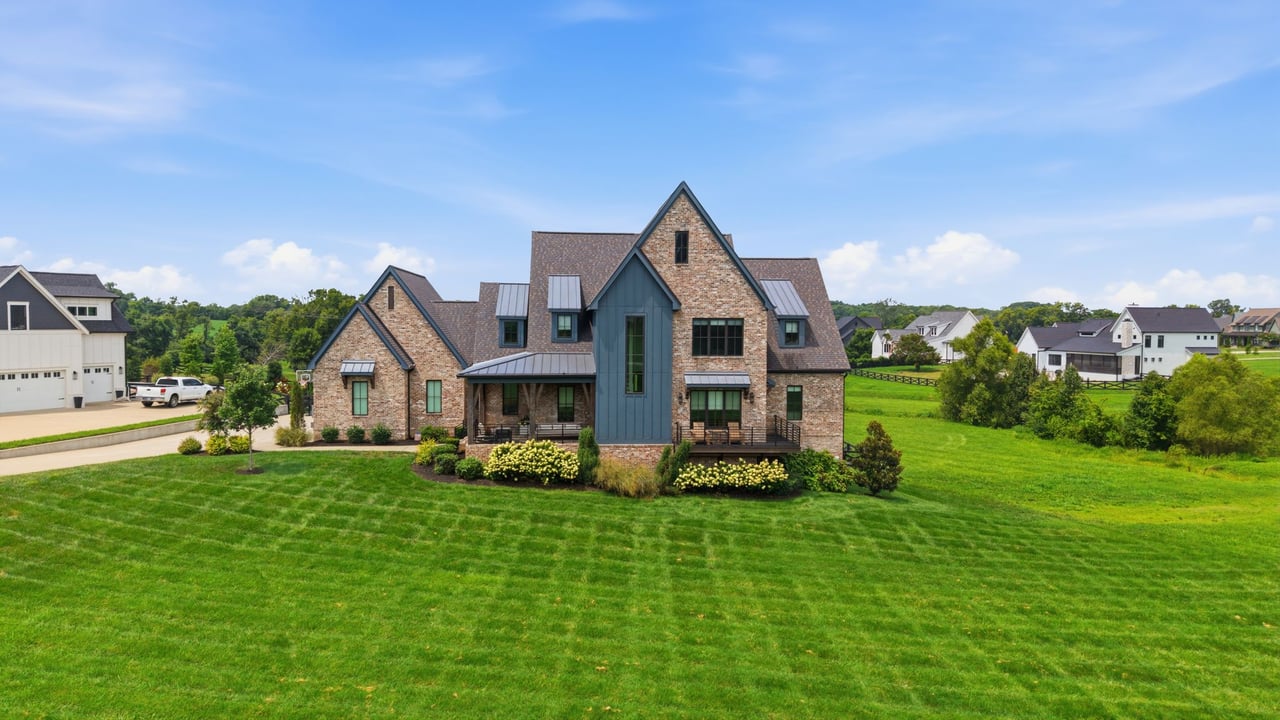
A 2022-built estate on 1.21 private acres, with a pool, a basement tornado shelter, and its own chicken coop
Buyers
Why paying cash isn't always the smartest move, even for buyers who can afford to
The client deserves the full service and attention that only a team of experts can consistently provide. Working with us, you will have the personal attention traditionally associated with the client-agent relationship improved by the professionalism and consistency of a thoughtful business model. And yes, superior results will follow!
MORRELL PROPERTY COLLECTIVE
(615) 593-3103
[email protected]
ADDRESS
3990 Hillsboro Pike, #320
Nashville, TN 37215