Luxury Home Warranties Explained: What They Cover and Where They Fall Short
Morrell Property Collective October 21, 2026
Real Estate Market

Morrell Property Collective October 21, 2026
Real Estate Market
A home warranty sounds like simple peace of mind. But in a luxury home, with professional-grade appliances, multiple HVAC zones and custom finishes, the fine print matters more than the brochure.
Many buyers don’t realize there are two very different products: the builder warranty that comes with new construction, and the home warranty plan you buy for an existing home. They cover different things, they’re paid for differently, and both have limits that can catch high-end homeowners off guard.
This guide explains how each works, where the coverage gaps are, and how to use a warranty well, whether you’re buying or selling in the Nashville area.
If you’re buying new construction, the builder may provide a warranty, sometimes administered by a third party. A common structure, used by administrators like 2-10 Home Buyers Warranty, has three layers of coverage:
The coverage period for each layer differs, which is why you’ll often hear these called “1-2-10” warranties. Details vary by builder and program, so ask for the actual warranty booklet, not just a summary.
What’s usually not included: appliances (those carry manufacturer warranties) and damage from changes you make to the home. For example, 2-10 HBW notes that damage caused by additions or alterations isn’t covered under its structural warranty.
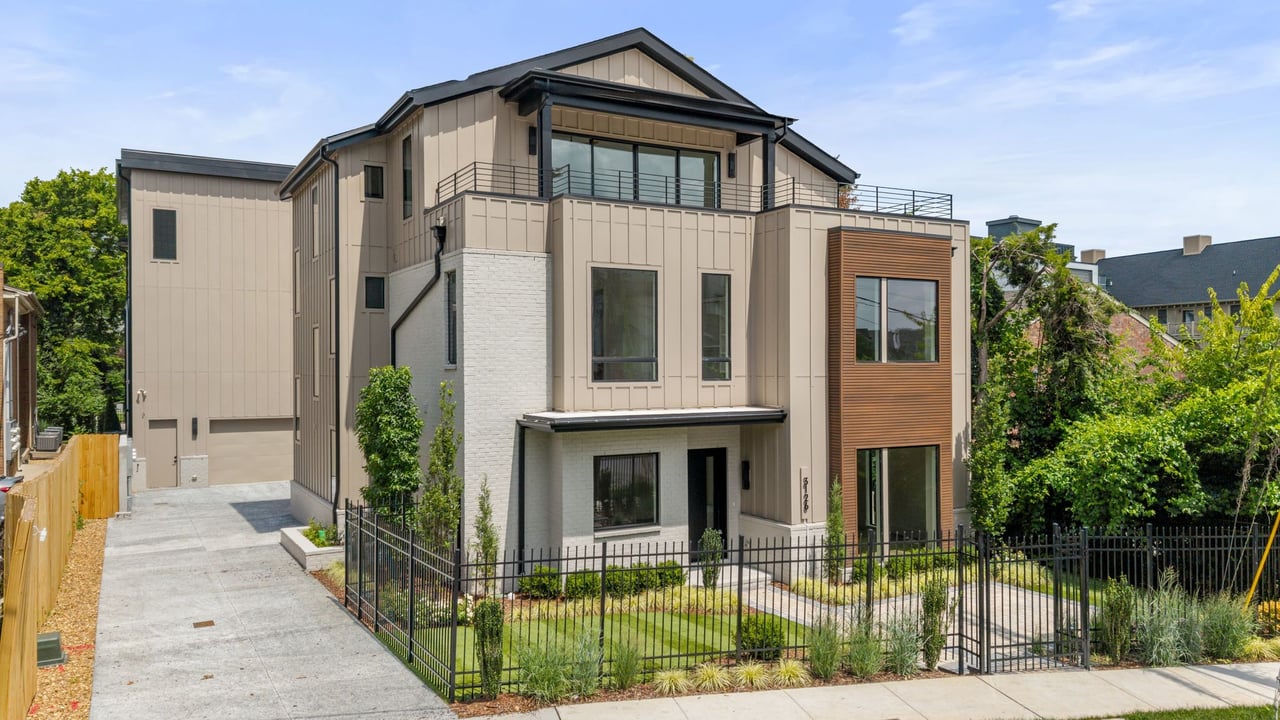
If you’re looking at new construction, like our listing at 3126 Belwood St, a new 4,065-square-foot home near Centennial Park listed at $2,100,000 (MLS #3526827), the builder warranty is one of the first documents worth reviewing.
A home warranty plan is an annual service contract. When a covered system or appliance breaks down from normal use, you pay a service fee and the company sends a contractor to repair or replace it.
Plans typically cover:
Pools, spas, wells, septic systems and guest units are usually optional add-ons, which matters for many Williamson County estates.
This is where luxury homeowners should slow down. Nearly every plan limits what it will pay. Two national examples, from published plan details:
Plan | Per appliance | HVAC | Other limits |
|---|---|---|---|
American Home Shield ShieldPlatinum | $4,000 per appliance per term | $5,000 per system per term | $50,000 total per term; $250 for code violations, permits and modifications |
First American Premium | $7,000 per appliance | No total limit on conventional systems | No annual total cap |
A $4,000 or $7,000 appliance cap goes a long way on a standard refrigerator. It may cover only part of replacing a built-in, professional-grade unit. You pay the difference.
Watch for “modification” costs too. First American notes that if a replacement requires code upgrades, relocated plumbing or venting, or changes to cabinetry, that work is generally your responsibility. In a custom kitchen with panel-ready appliances, those costs can add up.
It can be, especially for older systems and everyday appliances. But it shouldn’t be your only protection. In a luxury home, per-item caps may not cover professional-grade equipment, and custom installations often need modifications that plans exclude. Treat a warranty as a budget cushion for common breakdowns, not full replacement coverage.
A builder warranty covers defects in how a new home was built: workmanship, the plumbing, electrical and duct systems inside the walls, and load-bearing structure. A home warranty is a service contract that covers systems and appliances that fail from normal wear and tear. New homes may have both. Resale homes rely on home warranty plans.
Offering a seller-paid home warranty can be a useful negotiating tool. It reassures buyers about the age of systems and appliances without a large price cut. It works best when it’s chosen carefully: a plan with realistic caps for the home’s equipment carries more weight with a luxury buyer than a basic plan.
Does homeowners insurance cover the same things?
No. Homeowners insurance covers sudden damage like fire or storms. A home warranty covers breakdowns from normal wear and tear. Most homeowners benefit from understanding both.
Do home warranties cover pools and spas?
Usually only as an add-on. Pools, built-in spas, well pumps and septic systems are typically optional extras.
Can I still get a home warranty on new construction?
Yes, but review what the builder warranty and manufacturer warranties already cover first, so you’re not paying twice for the same protection.
What counts as a luxury home in the Nashville area?
It varies by neighborhood, but it generally means seven-figure homes with custom construction, high-end finishes and premium systems. Those are exactly the homes where coverage caps matter most.
For buyers
For sellers
A warranty can add real value to a luxury purchase or sale, but only when you understand its limits. Builder warranties protect how a new home was built. Home warranty plans help with everyday breakdowns. Neither replaces a careful inspection, good maintenance, or a solid reserve for the high-end equipment that makes a luxury home special.
Have questions about warranties on a home you’re buying or selling? Morrell Property Collective can help you review builder warranty terms on new construction, compare home warranty options, and decide whether offering one makes sense for your sale. Call us at (615) 593-3103.
Real Estate Market
How builder warranties and home warranty plans work, and what high-end homeowners in Nashville should know before relying on one
Featured Listing
Four ensuite bedrooms, an elevator to every floor, and a covered rooftop balcony near West End and Vanderbilt
Neighborhood
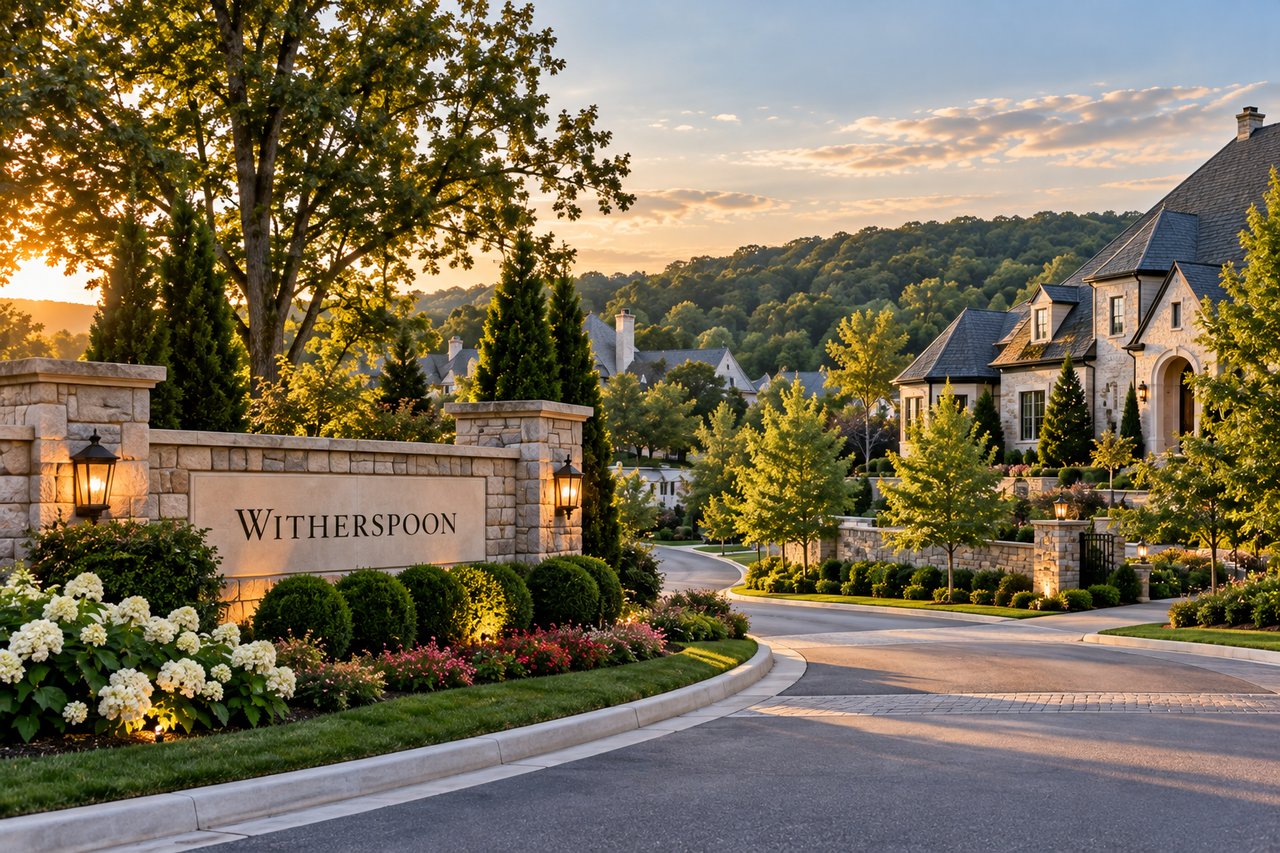
Custom architecture, a resort-style clubhouse, and trails to Crockett Park, all close to the center of Brentwood
MPC Expertise
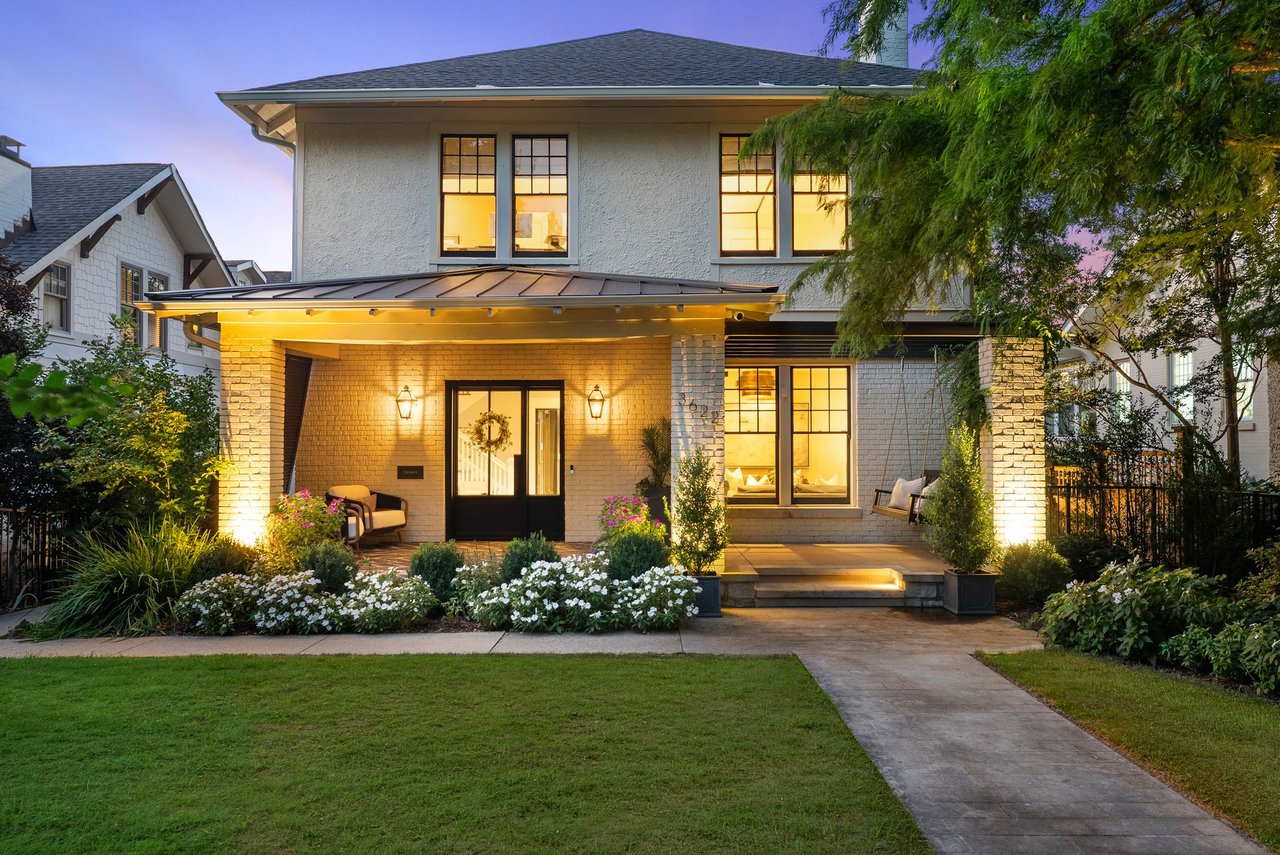
The story of 3622 Central Ave, and why the right network can open doors in Nashville luxury real estate

Real Estate Market
Mortgage rates are up a full point from last year, and high-end homes are taking longer to sell. Here’s what that means if you’re buying or selling in Nashville’s top … Read more

Neighborhood
From 1920s estates along the Tennessee River to golf-club communities in West Knoxville and Farragut, here’s where Knoxville’s highest home values are found.
Neighborhood
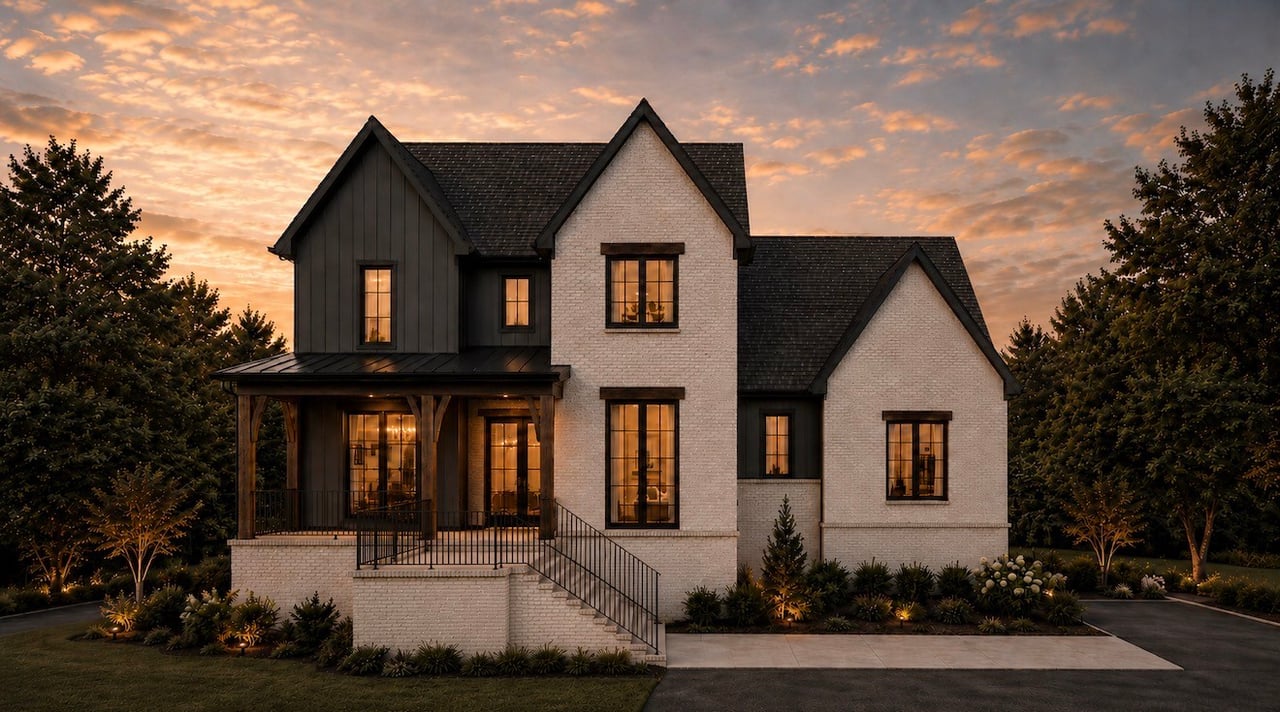
A boutique community of 52 homes on acre-plus homesites, with Phase 3 custom and market homes now available from Carbine & Associates.
Neighborhood
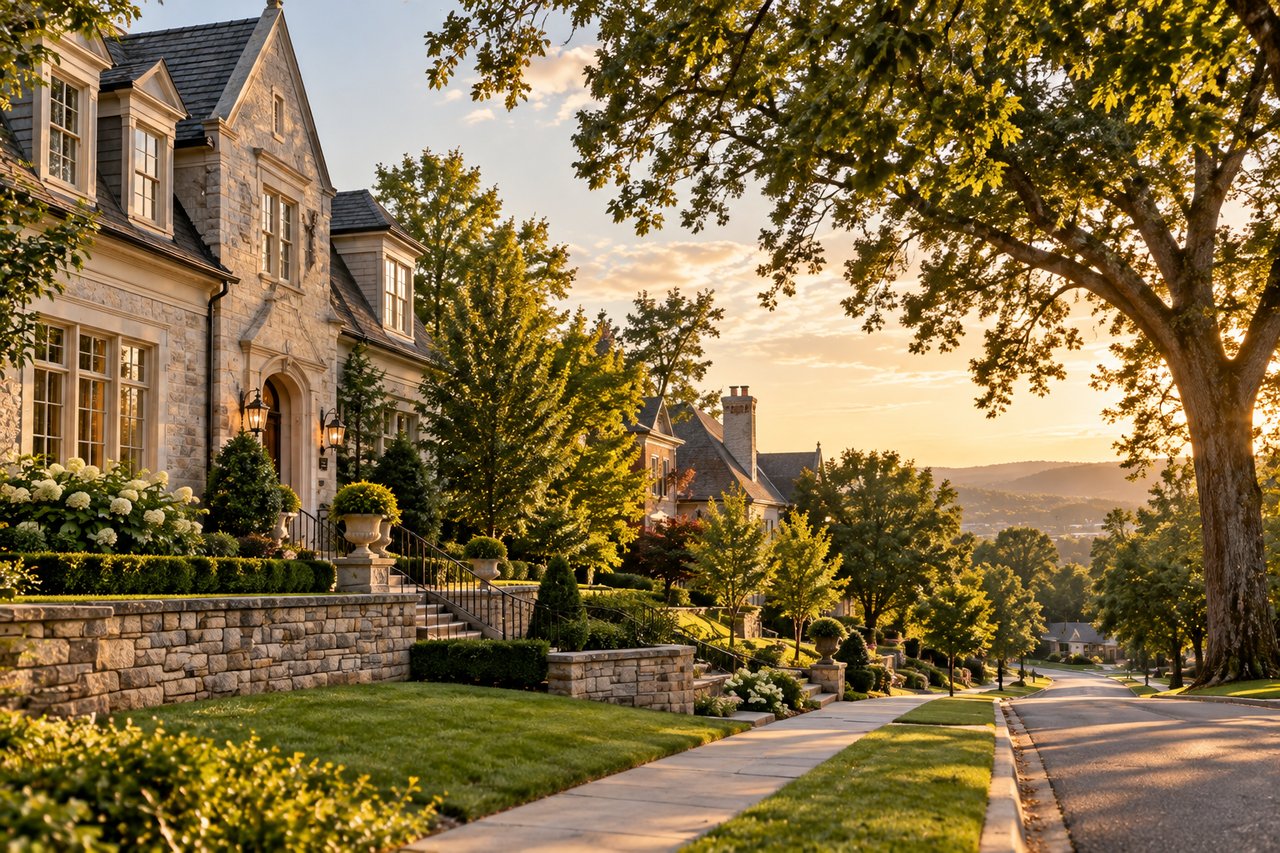
A 1920s neighborhood planned around privacy and mountain views, marked by its landmark water wheel, with typical home values above $1.5 million.
Featured Listing
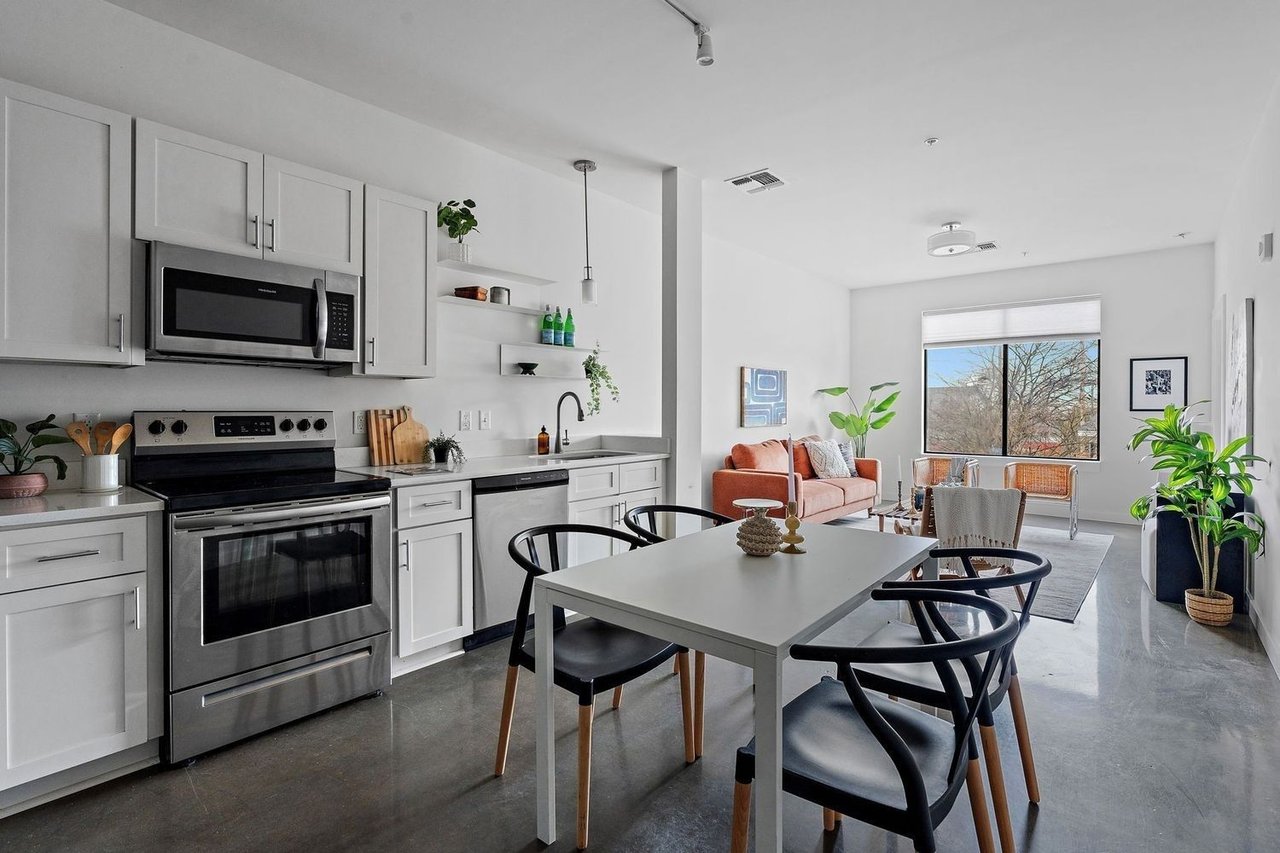
A bright, 2016-built one-bedroom near Belmont University, with garage parking and some of Nashville’s favorite restaurants and shops just outside the door.
The client deserves the full service and attention that only a team of experts can consistently provide. Working with us, you will have the personal attention traditionally associated with the client-agent relationship improved by the professionalism and consistency of a thoughtful business model. And yes, superior results will follow!
MORRELL PROPERTY COLLECTIVE
(615) 593-3103
[email protected]
ADDRESS
3990 Hillsboro Pike, #320
Nashville, TN 37215