How to Win a Competitive Luxury Home Offer in Nashville
Morrell Property Collective August 20, 2026
Nashville

Morrell Property Collective August 20, 2026
Nashville
Well-located, move-in-ready luxury homes can still draw multiple offers, even in a market where overall luxury inventory feels more available than it did a few years ago. When that happens, the instinct is to simply raise the price. But sellers of high-end homes are often weighing certainty and terms just as heavily as the number on the page — and buyers who understand that tend to win more often than buyers who just bid higher.
That distinction matters as continued growth across Williamson and Rutherford counties keeps demand elevated for the best-positioned homes in established neighborhoods. This post breaks down what actually moves a seller's decision, and how to structure an offer accordingly.
A seller comparing offers is really comparing risk. A slightly lower offer with strong financing, a clean appraisal gap provision, and a realistic closing timeline can beat a higher offer that's contingent on financing falling into place. This matters even more at the luxury tier, where appraisals can be harder to support given how few truly comparable sales exist for a given property — a dynamic we covered in our post on what determines luxury home value.
Before getting creative with contract terms, make sure the financial foundation of the offer is as strong as possible. A current, verified pre-approval or proof-of-funds letter — not just a pre-qualification — signals that financing is unlikely to be the reason a deal falls apart. A larger-than-typical earnest money deposit sends a similar signal: it's a visible sign of commitment a seller can weigh alongside price.
An appraisal gap provision commits the buyer to cover some or all of the difference if the home appraises below the purchase price, up to a stated amount. This tool has become especially relevant in the luxury tier, where thin comparable sales data can make appraisals harder to predict. Offering appraisal gap coverage — even a modest, capped amount — can meaningfully strengthen an offer without necessarily raising the headline price.
An escalation clause automatically increases your offer above a competing bid, up to a cap you set. It can work well in a genuine multiple-offer situation, but it also tells the seller exactly how high you're willing to go, which can work against you if the clause is structured too transparently or the seller's agent shares that ceiling with other bidders. This is a tool best used with an agent who can read the specific situation, not applied as a default.
Sellers often have their own constraints — a new home not yet ready, a relocation timeline, a preference to stay in the home briefly after closing. Offering flexibility on closing date, or including a short-term rent-back provision that lets the seller stay past closing, can make an offer more attractive without changing the price at all. Minimizing non-essential contingencies helps too, though a full inspection waiver on a luxury home is generally not advisable given the complexity of high-end mechanical, smart-home, and specialty systems — a shortened inspection period is usually a better middle ground than waiving it outright.
Buyer "love letters" to sellers have become less common for a real reason: they can unintentionally introduce details about a buyer's family, background, or personal life that create fair housing liability for the seller and listing agent if used to influence which offer is accepted. Many brokerages now discourage or outright reject them. A well-structured offer with strong terms generally does more to win a seller over than a personal appeal, and it doesn't carry the same risk.
Winning usually comes down to reducing a seller's perceived risk, not just raising the price. Strong proof of funds, appraisal gap coverage, minimal financing contingency, and flexible terms on closing or possession collectively matter more than an incremental price increase alone.
An appraisal gap clause is a contract provision where the buyer agrees to cover some or all of the difference between the purchase price and a lower appraised value, up to a specified dollar amount. It protects the seller from a deal collapsing over financing if the appraisal comes in under the contract price.
Does a cash offer always win a luxury bidding war? Not always, but it removes financing and appraisal risk entirely, which is a significant advantage in a competitive situation. A strong financed offer with appraisal gap coverage and solid proof of funds can still compete effectively against cash.
Should I write a personal letter to the seller? Generally, no — many brokerages discourage this due to fair housing concerns, since personal details in a letter can create liability for the seller if they factor into which offer gets accepted. A strong offer structure is a safer and often more effective approach.
How much earnest money should I offer on a luxury home? There's no fixed rule, but a larger deposit than the local norm can signal seriousness to a seller. The right amount depends on the specific price point and what's customary for that market segment — worth discussing directly with your agent for the property in question.
Is it safe to waive inspection entirely on a luxury home? It's generally not advisable, given the complexity of systems in high-end homes — HVAC, smart-home technology, pools, and specialty finishes all carry more that can go wrong than in a standard home. A shortened inspection period is usually a safer way to stay competitive.
Why work with a specialist in a competitive luxury offer situation? A specialist who understands both the specific neighborhood and the listing agent's priorities can help structure an offer around what actually matters to that seller, rather than guessing at generic strategies.
Winning a competitive luxury offer is less about outbidding everyone else and more about giving the seller fewer reasons to worry the deal won't close. Financial strength, thoughtful contingency structure, and timeline flexibility consistently do more work than price alone.
If you're preparing to compete for a luxury listing, Morrell Property Collective can help you structure an offer around what will actually matter to that seller. Call us at (615) 593-3103 to talk through your strategy.

Real Estate Market
Rates went up in September, but the market is shifting, not breaking. This is especially true at the luxury level.

Tennessee
How property taxes, closing-day taxes and Tennessee's income tax rules add up on a high-end home purchase

Real Estate Market
The spa-style, recovery and everyday-comfort features that make a luxury home feel good to live in, with real Nashville examples

Featured Listing
A look at the 129-residence community rising in Wedgewood-Houston, from its design team and amenities to its short-term rental flexibility

Neighborhood
What to know about Sequoyah Hills' history, homes, parks and lifestyle before you buy
Featured Listing
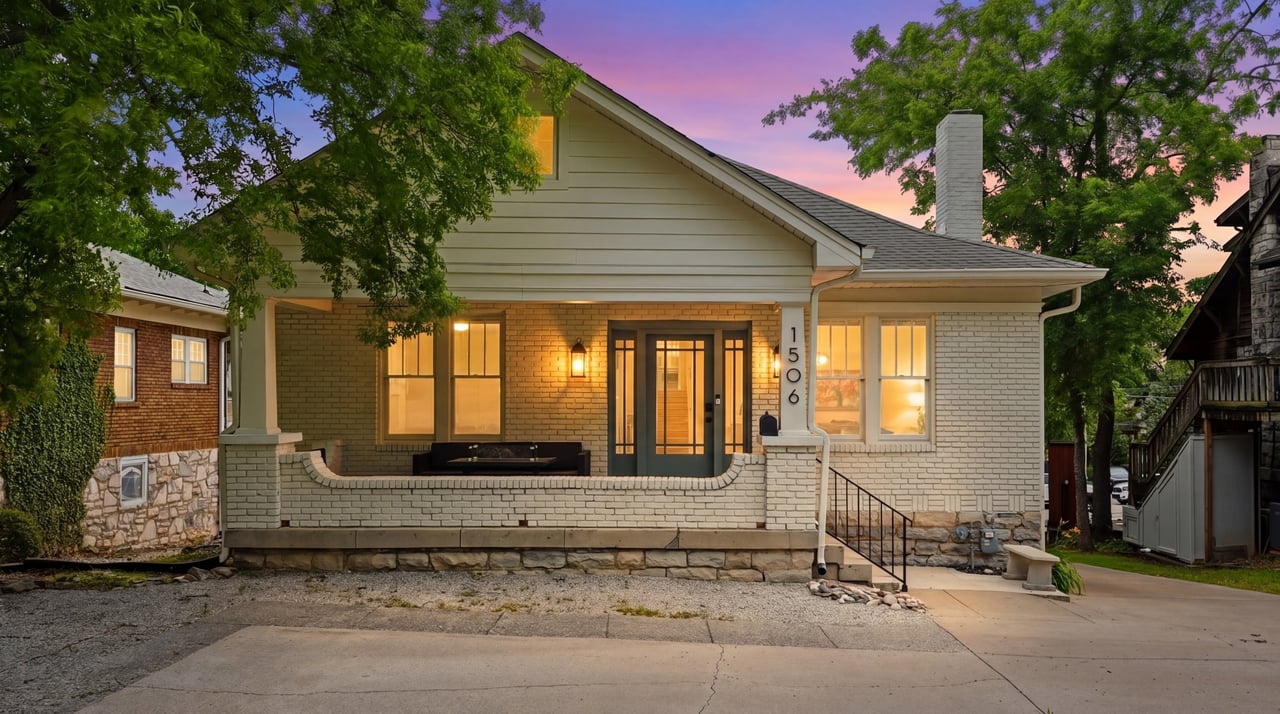
A 1925 home with a former recording studio, a main-level primary suite and the flexibility to live, work or create in one of Nashville's most walkable locations

Real Estate Market
The privacy, pricing and buyer-pool reasons behind Nashville's quiet luxury sales, plus the trade-offs to weigh
Featured Listing
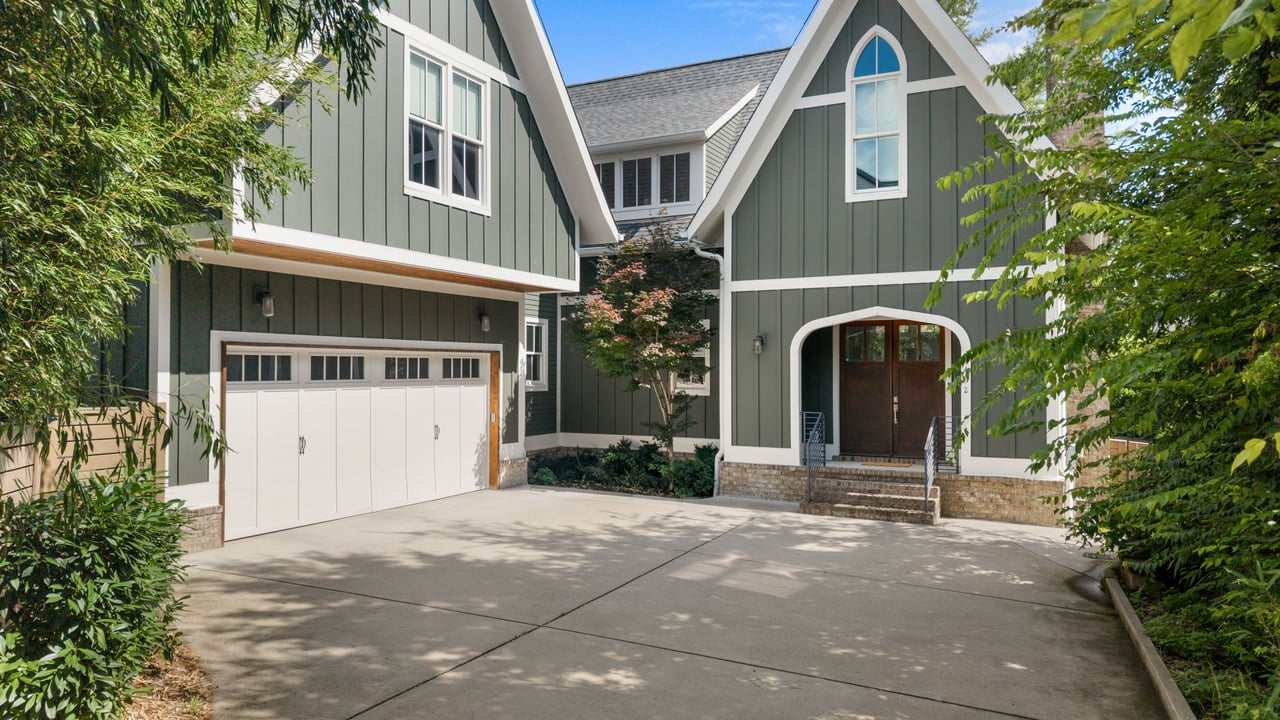
A 2017 Tudor with fresh 2025 updates, a private putting green and an easy connection to 12 South, Green Hills and Nashville's top universities

Buyers
A day-by-day look at what happens once your Nashville luxury home goes live, and why the first seven days matter so much
The client deserves the full service and attention that only a team of experts can consistently provide. Working with us, you will have the personal attention traditionally associated with the client-agent relationship improved by the professionalism and consistency of a thoughtful business model. And yes, superior results will follow!
MORRELL PROPERTY COLLECTIVE
(615) 593-3103
[email protected]
ADDRESS
3990 Hillsboro Pike, #320
Nashville, TN 37215