Hidden Costs of Building a Luxury Home in Tennessee
Morrell Property Collective August 5, 2026
Tennessee
Morrell Property Collective August 5, 2026
Tennessee
The construction quote is rarely the real number. Between county development fees, site conditions, and the gap between an "allowance" and what something actually costs to build, luxury home budgets in Middle Tennessee routinely grow well beyond the number on the first proposal. None of it is hidden on purpose — it's just spread across permits, soil tests, and change orders that don't show up until you're already committed to a lot.
It matters more here than in a lot of markets. Williamson County's own fee structure is, by its own tracked data, one of the most layered in the state — and the region's limestone geology adds cost variables that buyers in flatter, less rocky markets simply don't deal with.
This post walks through where the real costs tend to show up, with actual figures where they exist, so you can budget the full picture before you sign a construction contract.
Key takeaways:
Williamson County's combined development fees alone can exceed $16,000 on a standard-sized new home, before any city-level fees in Franklin, Brentwood, or Thompson's Station are added.
Middle Tennessee sits on a limestone basin, which affects both septic system costs and the likelihood of encountering rock during excavation.
Septic installation in the region ranges from roughly $3,500 for a conventional system to $50,000+ for an engineered one on a difficult site — and you often don't know which you'll need until soil testing is done.
A real contingency — 10 to 15% of total budget, not just the construction line — is what actually protects a luxury build from the most common overruns.
Williamson County layers three separate charges onto every new residential building permit: a $2.00-per-square-foot Privilege Tax, a tiered Education Impact Fee that varies by home size, and an ICC-valuation-based building permit fee. Together, these can easily exceed $16,000 on a roughly 2,800-square-foot home, according to the Tennessee Impact Fees & Development Tax Resource Center's tracking of county fee schedules — and that's before any city adds its own charges.
Each of Williamson County's six municipalities layers additional fees on top of the county total. Franklin adds Road and Parkland Impact Fees. Thompson's Station adds Road and Parks Impact Fees that can push a typical new home's total fees toward $30,000. Brentwood's Education Impact Fee alone can reach $12,399 on larger homes before its own Public Works Privilege Fee is added. The exact stack depends entirely on which jurisdiction your lot sits in — which is why it's worth getting a written fee estimate for your specific parcel, not a general number for "Williamson County."
Much of Middle Tennessee, including all of Williamson County, sits on a limestone basin with thin topsoil — a geological reality that shows up in two specific cost categories.
Septic systems. If your lot isn't on municipal sewer, a full septic installation in the region typically runs $3,500 to $8,500 for a standard conventional system, but that number can climb to $10,000–$20,000 for an aerobic system or $15,000–$50,000+ for an engineered system on a difficult site, according to 2026 installer cost data for the region. The catch: you often don't know which system type you need until soil testing (perc testing) is complete, and Williamson County's stricter, multi-stage review process means permit approval alone can take 10 to 45 days.
Rock excavation. Foundation and site work in Middle Tennessee's limestone karst geology can encounter bedrock that requires blasting or hammering to clear — a cost that's difficult to estimate until excavation is actually underway. National cost guides consistently flag this as one of the most common "additional cost" surprises in residential excavation, and it's a real enough issue in this region that most local excavation contractors budget contingency time for it as standard practice.
How much are development impact fees for a new home in Williamson County, TN? Combined county-level fees — the Privilege Tax, Education Impact Fee, and building permit — typically total around $16,000 on a roughly 2,800-square-foot home, though the exact amount depends on square footage and can run significantly higher once city-level fees in Franklin, Brentwood, or other municipalities are added.
Beyond fees and ground conditions, basic site work is one of the most consistently underestimated line items in a construction budget: clearing, grading, drainage, and utility trenching all vary significantly based on lot slope, access, and how far the home sits from existing utility connections. Longer driveways on larger rural or estate lots, retaining walls on sloped sites, and extended utility runs all add cost that's specific to the individual lot rather than the floor plan.
What's a reasonable contingency budget when building a luxury home? Most cost guides and builders recommend budgeting a 10 to 15% contingency on top of your total project cost, not just the construction line — enough to absorb the gap between allowances and actual selections, unexpected soil or site conditions, and mid-project design changes without derailing the budget.
Two specific categories drive most overruns: allowances that don't match final selections (a builder's contract might allow $15,000 for lighting, but your actual selections come in at $28,000), and change orders made after construction has started, which almost always cost more than the same change made on paper before groundbreaking.
Construction loan interest and builder's risk insurance are real, ongoing costs during the build itself — not just line items in the final closing statement. A longer-than-expected build timeline (common with custom luxury homes) means more months of interest-only payments before you're in a permanent mortgage, which is worth modeling honestly rather than assuming the fastest-case timeline.
Do impact fees vary by city within Williamson County? Yes, significantly. All six municipalities — Brentwood, Fairview, Franklin, Nolensville, Spring Hill, and Thompson's Station — carry the county-wide fee stack, but each also layers its own city-level charges, so the total for an identical home can differ by thousands of dollars depending on jurisdiction.
What causes rock excavation costs to spike during construction? Encountering bedrock during foundation or site excavation requires blasting or mechanical hammering to clear, which is far more expensive and time-consuming than excavating soil — and in Middle Tennessee's limestone-heavy geology, it's common enough that most local contractors treat it as a real possibility rather than a rare exception.
Is it cheaper to buy an existing luxury home than build one? It depends on the specific lot, home, and market conditions, but existing homes let you avoid impact fees, soil-testing uncertainty, and construction financing costs entirely — which is why many luxury buyers compare both paths seriously rather than assuming new construction is automatically the better value.
What's the difference between an allowance and a final cost in a builder's contract? An allowance is a placeholder budget for a category like lighting, flooring, or appliances — the actual cost is only locked in once you make your selections, and it's common for final selections to exceed the original allowance, which is why it's worth reviewing allowances line by line before signing.
Why work with someone who knows the local fee and geology landscape? Fee stacks and site conditions vary block by block in Williamson County — an agent or builder who's navigated the specific jurisdiction and geology of your lot can flag likely cost drivers before you're financially committed, rather than after.
Get a written fee estimate for your specific parcel — county plus city — before finalizing a lot purchase, since totals vary meaningfully by jurisdiction.
Require soil testing and a geotechnical assessment before finalizing your budget, not after groundbreaking, especially if the lot isn't on municipal sewer.
Build a real contingency — 10 to 15% of total project cost — into your budget from the start, not just into the construction line.
Review every allowance in your builder's contract line by line, and ask what happens if your selections exceed it.
Model your construction loan timeline honestly, including a buffer for delays, rather than budgeting interest costs for the fastest-case scenario.
None of these costs are secret — they're just spread across permits, soil tests, and contract fine print that a base construction quote doesn't fully capture. Buyers who ask about the full fee stack, the site's geology, and the difference between an allowance and an actual cost before signing tend to end up much closer to their original budget than those who don't.
If you're weighing whether to build or buy in Williamson County or elsewhere in the Nashville area, Morrell Property Collective can walk you through the tradeoffs for your specific situation. Call or text (615) 593-3103 to talk through your options before you commit to a lot.
Featured Listing
A room-by-room look at life above downtown Nashville
Real Estate Market
Concierge service, skyline views, and two decades as a downtown fixture
Featured Listing
Low-maintenance, amenity-rich living just south of downtown
Featured Listing
A countryside estate defined by land, privacy, and views — not square footage
Buyers
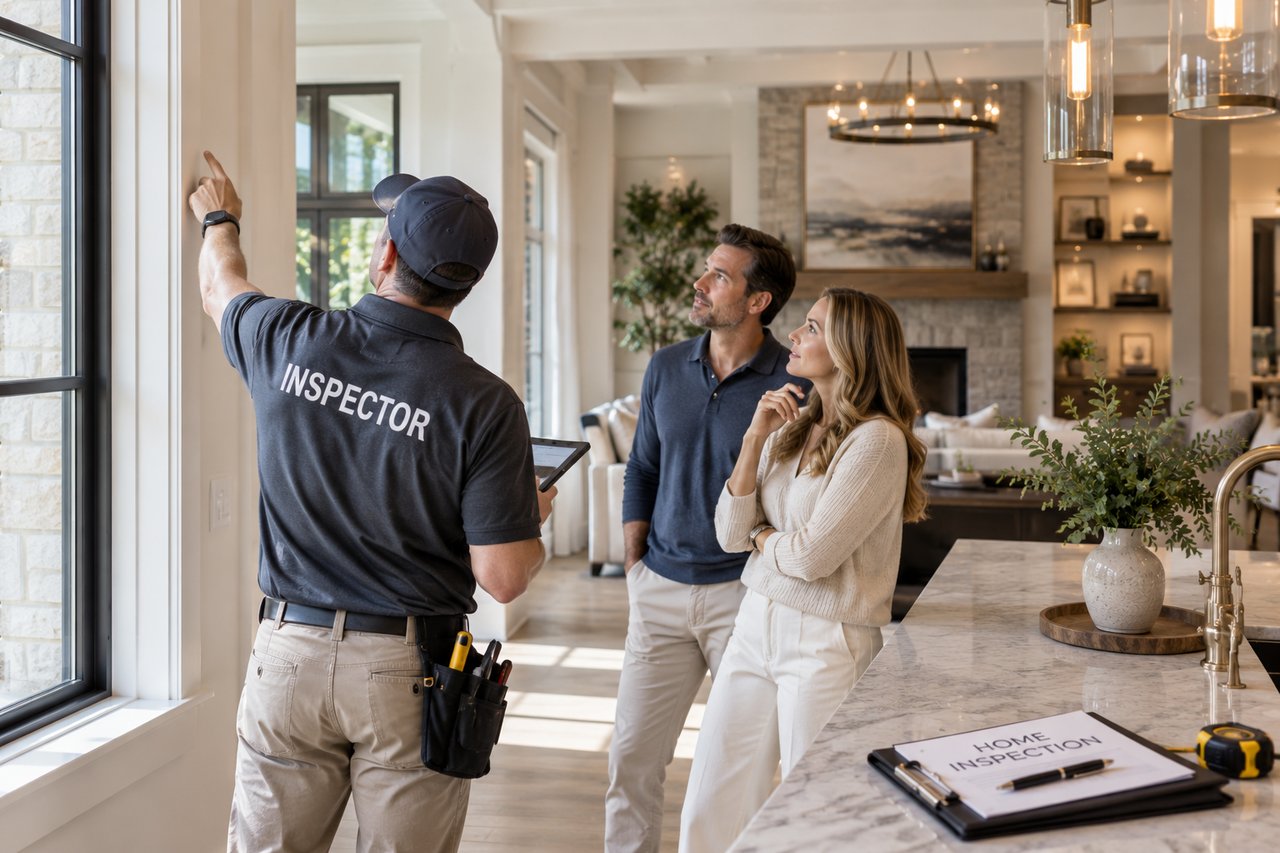
Why it matters even more when the stakes — and the systems — are bigger
Buyers
The real data on which rooms and details shape a buyer's first impression — and why it matters more in a market where nearly half of listings don't sell.
Neighborhood
What to know about the tree-lined streets, 1920s architecture, and real price range behind one of West End's quietest luxury addresses.
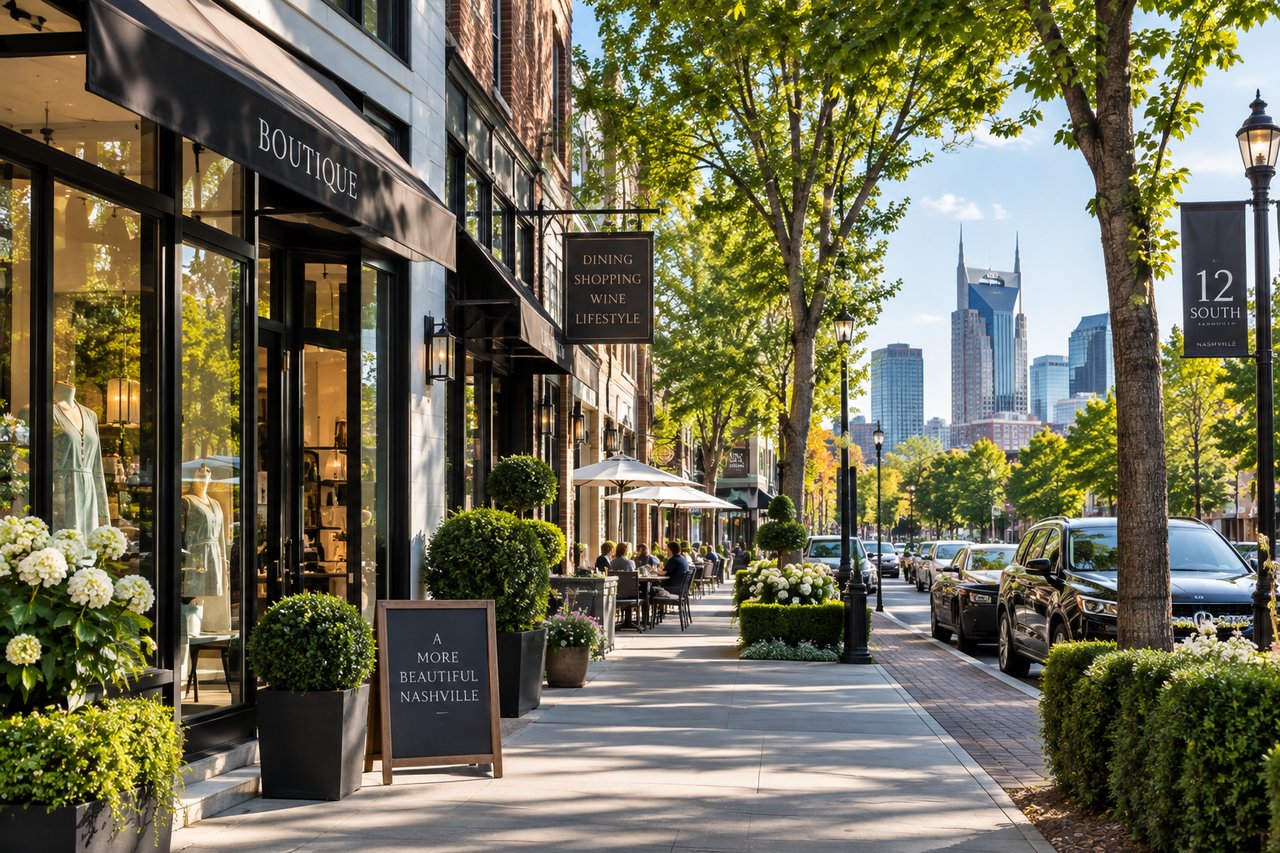
Real Walk Scores, real prices, and the one prestigious neighborhood that isn't nearly as walkable as its reputation suggests.

Sellers
Zero due until closing — here's exactly how Compass fronts the cost of getting your home market-ready, and when it's worth using.
The client deserves the full service and attention that only a team of experts can consistently provide. Working with us, you will have the personal attention traditionally associated with the client-agent relationship improved by the professionalism and consistency of a thoughtful business model. And yes, superior results will follow!
MORRELL PROPERTY COLLECTIVE
(615) 593-3103
[email protected]
ADDRESS
3990 Hillsboro Pike, #320
Nashville, TN 37215