The Rise of Wellness Communities in Tennessee
Morrell Property Collective July 28, 2026
Nashville
Morrell Property Collective July 28, 2026
Nashville
"Wellness community" gets used loosely in real estate marketing, so it's worth asking what it actually means before it shapes a home search. Is it a gym in the clubhouse, or something more deliberate — trails, air and water quality standards, light and layout designed around how residents actually live? For buyers in Nashville and Knoxville weighing this as a priority, the honest answer is that Tennessee has real examples of both, and the difference matters.
The trend itself isn't hype. According to the Global Wellness Institute's 2025 Global Wellness Economy Monitor, released in November 2025, wellness real estate is the fastest-growing sector within the broader $6.8 trillion global wellness economy, expanding at an average annual rate of 19.5% from 2019 to 2024 — nearly triple the growth rate of the wellness economy overall. That's a meaningful shift in how developers, and buyers, are thinking about what a home should do for its residents.
Here's what's actually happening in Tennessee, and how to separate a genuine wellness-focused property from one borrowing the label.
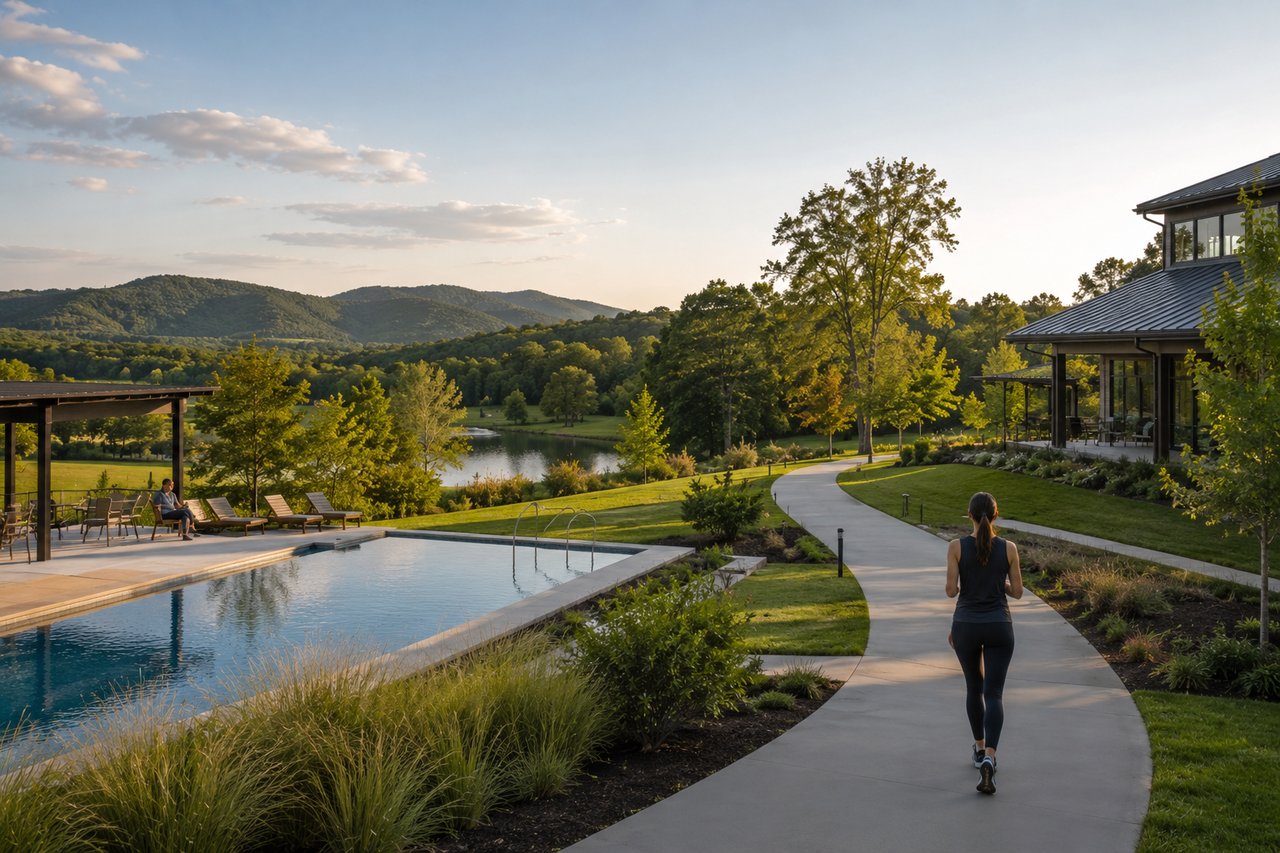
Wellness real estate is the fastest-growing sector of the global wellness economy, per the Global Wellness Institute's November 2025 report — a trend increasingly visible in Tennessee's luxury market.
Blackberry Mountain, a 5,200-acre wellness-and-adventure community near Knoxville, is one of the clearest built examples of wellness real estate in Tennessee, offering both guest stays and home ownership.
In Nashville, the trend shows up less as standalone "wellness communities" and more as wellness-driven design inside existing luxury homes and neighborhoods — spa-caliber primary baths, expanded green space, and proximity to parks and trails.
GWI's research specifically warns against assuming wellness real estate only means luxury amenities — the more useful test is whether a property is designed around health outcomes, not just marketed with wellness language.
The Global Wellness Institute first defined wellness real estate as a distinct market category in its 2018 "Build Well to Live Well" report, and it has continued to refine that framework in its 2025–2026 research series. GWI's own researchers flag a common misconception worth repeating here: wellness real estate isn't inherently a luxury-only category, and it isn't defined by having the newest trendy amenity. The more meaningful marker is whether a property or community is intentionally designed to support residents' physical and mental health — through air and water quality, natural light, movement-friendly layouts, and access to nature — rather than simply advertising a spa or a juice bar.
That distinction is useful for buyers touring anything marketed with wellness language. A fitness center is an amenity. A community engineered around walkability, daylight, and outdoor access is a different, more durable kind of investment.
Near Knoxville, in Walland, Blackberry Mountain is the most fully realized wellness real estate project in the state. Spread across 5,200 acres of protected ridgetop along the edge of the Great Smoky Mountains, the property is built explicitly around wellness, outdoor adventure, and hospitality — with miles of trails, an on-site fitness program with hourly classes, and activities ranging from mountain biking to aerial yoga. Ownership options let guests transition from short-term stays into full-time or part-time residency on the mountain, making it a genuine test case for what a wellness-first residential community looks like in East Tennessee.
For buyers drawn to Knoxville's proximity to the Smokies, Blackberry Mountain represents a different ownership model than a typical subdivision: the wellness infrastructure — trails, programming, restaurants, spa access — is built into the land itself, not added after the fact.
Nashville hasn't produced a single project on Blackberry Mountain's scale, but the underlying shift is visible throughout the luxury market here in a more distributed way. Buyers are increasingly treating the primary bathroom as a wellness space rather than a utility room — the National Kitchen & Bath Association's 2026 Bath Trends Report found that 77% of surveyed design professionals say homeowners are now drawing inspiration from hotel and resort spas for that room specifically.
That same instinct extends outward. Established neighborhoods with direct access to Nashville's park system — Belle Meade's proximity to Percy Warner and Edwin Warner Parks is a good example — carry an implicit wellness value even without formal "wellness community" branding: walkable trails, mature tree canopy, and green space that buyers are actively prioritizing rather than treating as incidental.
If wellness-focused living matters to your search, a few concrete things are worth checking rather than taking marketing copy at face value:
Trail and greenway access within walking distance, not just a shared amenity center
Natural light and window placement in the home itself, not only community-level features
Air and water quality measures if the builder or developer discloses them
Whether "wellness" amenities are integrated into the property (trails, gardens, orientation) or bolted on (a single gym room)
The developer's actual programming — ongoing classes, farm-to-table dining, structured outdoor activities — versus a one-time amenity list
No. The Global Wellness Institute's research specifically pushes back on that assumption, noting wellness real estate can be implemented at any scale and price point, from a single home to an entire neighborhood. Luxury developments like Blackberry Mountain are highly visible examples, but the underlying design principles apply well beyond that segment.
Blackberry Mountain integrates wellness programming — trails, fitness classes, spa access, and outdoor adventure — directly into a 5,200-acre protected landscape near Knoxville, with both hospitality and home-ownership options. That's a more built-in approach than a subdivision that simply includes a clubhouse gym as one of several amenities.
Is wellness real estate growing faster than the rest of the housing market? Globally, yes — the Global Wellness Institute's November 2025 report puts wellness real estate's growth at 19.5% annually from 2019 to 2024, well above the wellness economy's overall 6.5% annual growth over the same broader period.
Are there wellness-focused neighborhoods actually being built in Nashville right now? Nashville hasn't seen a single project on the scale of Blackberry Mountain, but wellness-oriented design is increasingly common inside individual luxury homes and in neighborhoods with strong park and greenway access.
Do wellness communities cost more than comparable homes? It varies by property and depends on land, amenities, and programming, so it's worth evaluating case by case rather than assuming a fixed premium; ask your agent to compare specific listings rather than relying on general assumptions.
Why work with a specialist when wellness features matter to your search? An agent familiar with both markets can tell the difference between a property with genuine wellness-oriented design and one using the term as a marketing label, which isn't always obvious from listing photos alone.
How long do wellness-oriented luxury properties typically stay on the market? This varies by property type and location, so it's best evaluated with current, property-specific data rather than a general estimate — ask your agent to pull recent comparable activity for the specific community you're considering.
Clarify what "wellness" means to you specifically — trails and green space, spa-caliber interiors, air and water quality, or all three — before touring properties.
If East Tennessee's outdoor-adventure version of wellness living appeals to you, look closely at Blackberry Mountain's ownership structure and compare it to traditional Knoxville-area luxury neighborhoods.
In Nashville, prioritize neighborhoods with direct, walkable access to parks and greenways rather than relying on a property's marketing language alone.
Ask any developer or listing agent for specifics on wellness-related design choices — window orientation, air filtration, water quality — rather than accepting "wellness" as a blanket claim.
Loop in a specialist early if this is a priority, since evaluating genuine wellness design takes more than a standard listing sheet.
Wellness real estate is a real and fast-growing category, not just marketing language — but Tennessee's version of it looks different depending on where you're looking. Knoxville has a genuine flagship in Blackberry Mountain; Nashville's luxury market is absorbing the same instinct more gradually, through design choices inside homes and a renewed premium on park and greenway access. Either way, the properties worth paying attention to are the ones built around health and daily life, not just labeled that way.
If you're curious how this trend applies to a specific Nashville or Knoxville neighborhood you're considering, Morrell Property Collective can help you separate genuine wellness-oriented design from marketing language. Call us at (615) 593-3103 to talk through what matters most in your search.
Real Estate Market
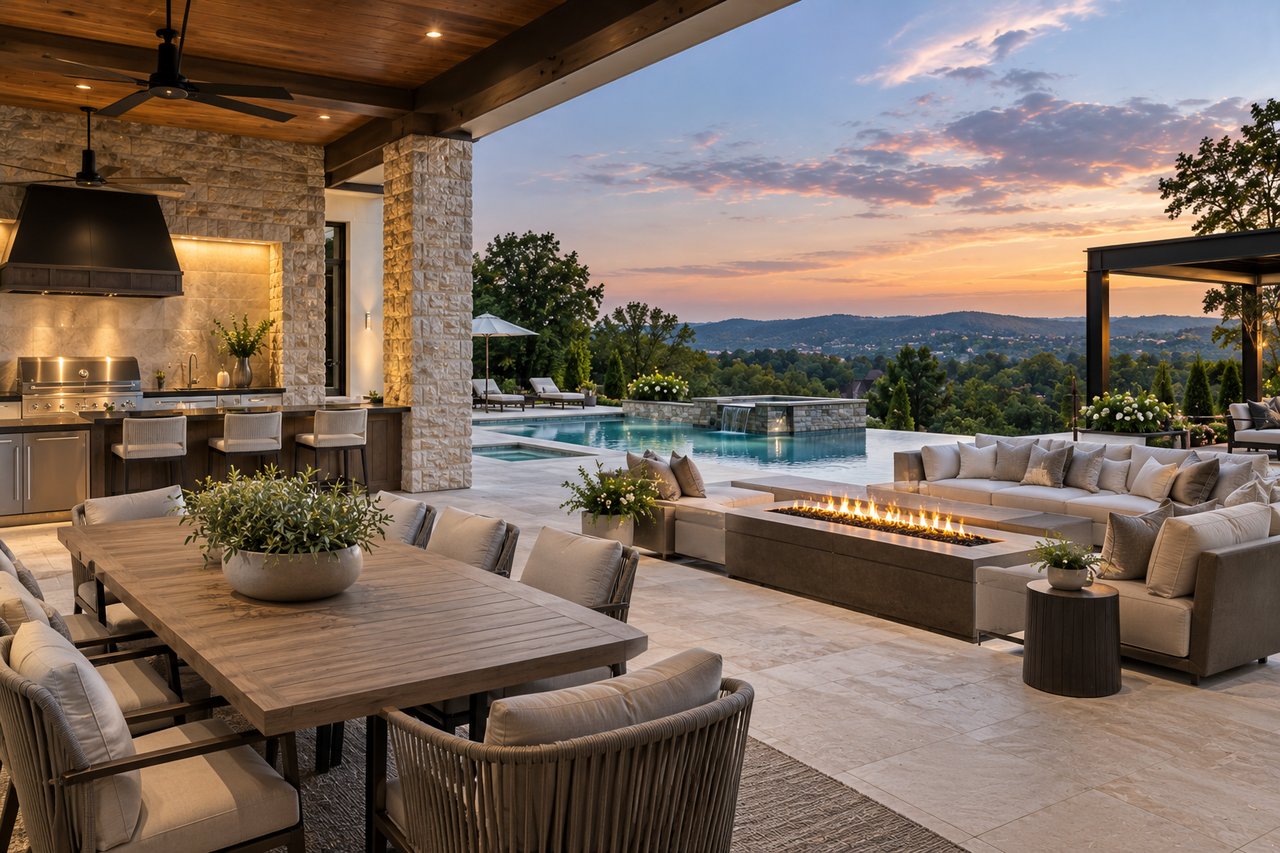
What actually defines a luxury backyard right now — and what's worth building versus skipping

Real Estate Market
Where to look, what drives demand, and what to expect before you write an offer

Tennessee
What actually separates the established lake communities near Knoxville
Sellers
Why the honest answer is "it depends more than you'd think" — and what it depends on
Neighborhood
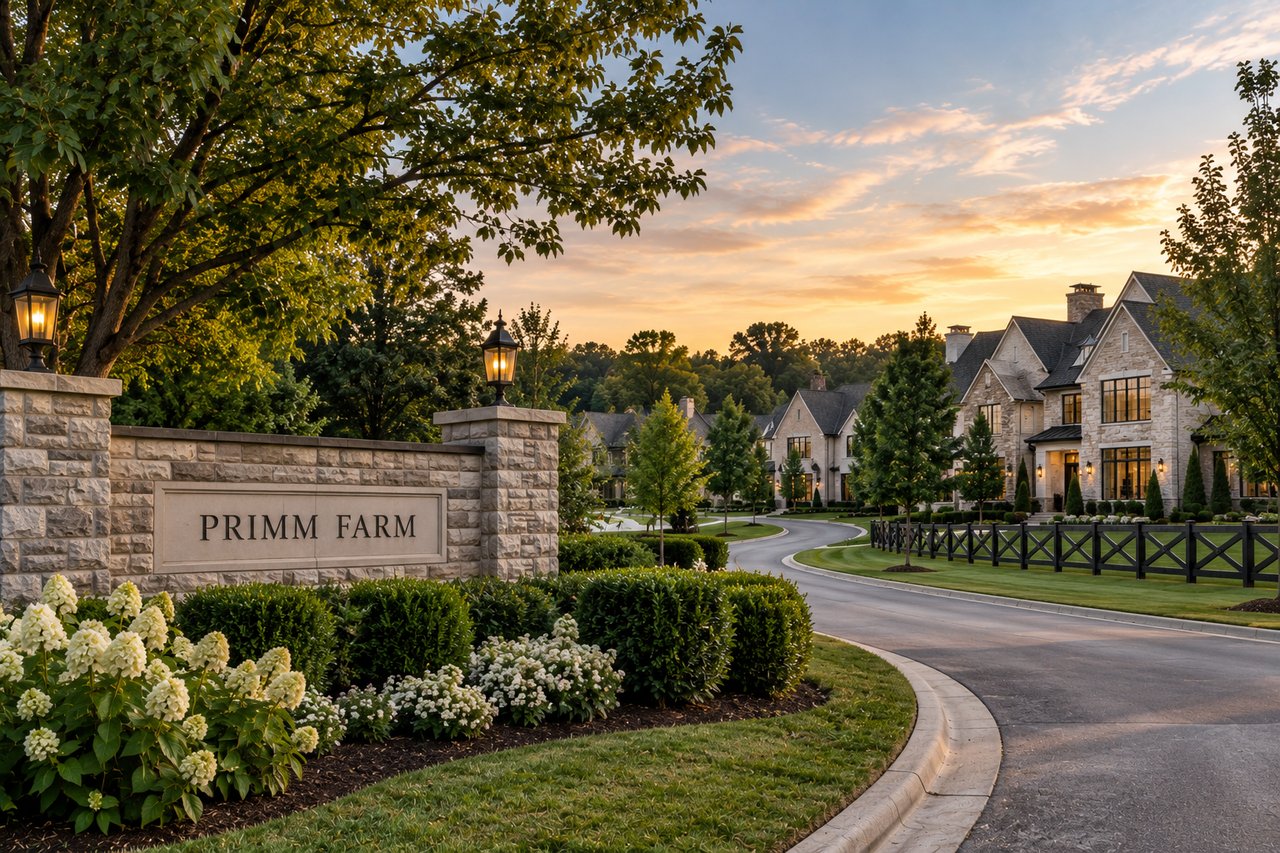
What to know about Brentwood's newest community, built on a piece of Williamson County history
MPC Expertise
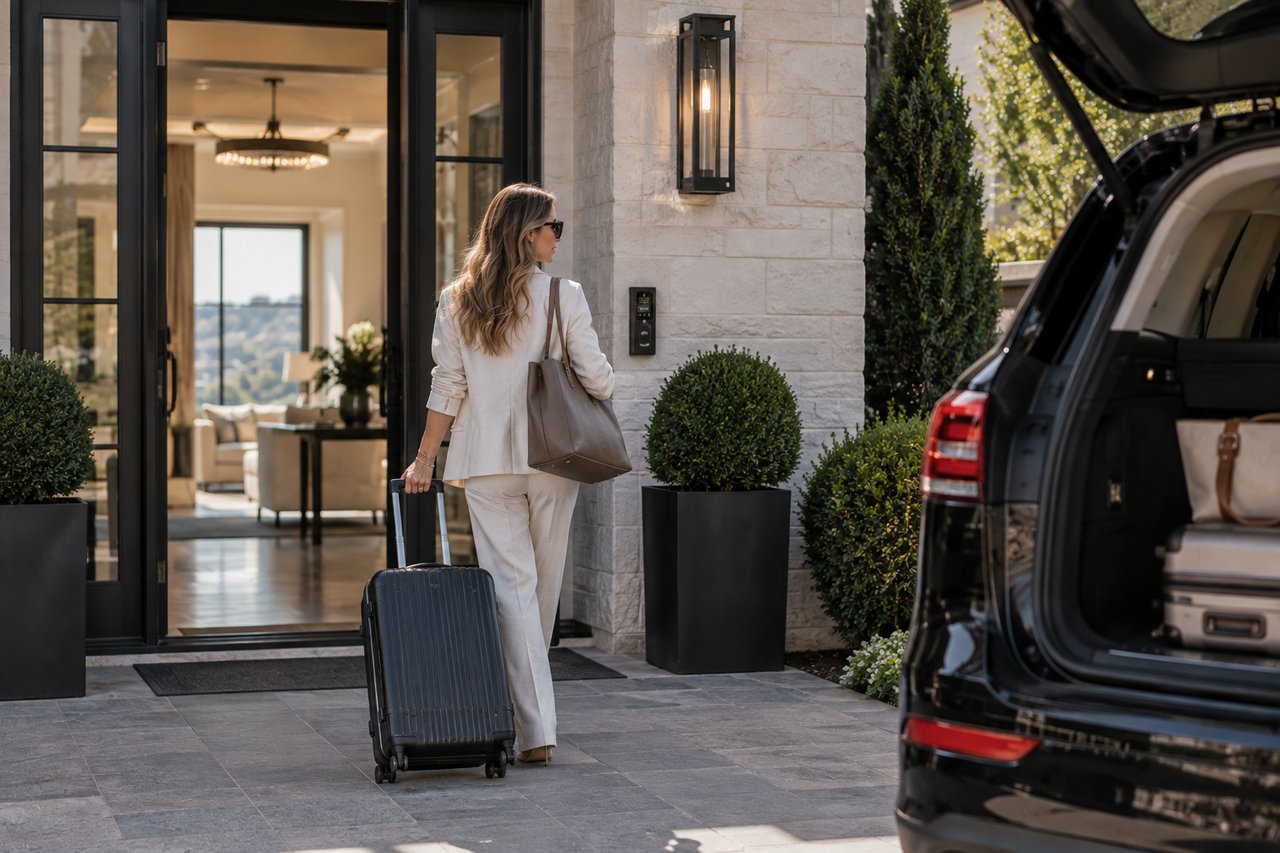
What the term actually means, and which homes deliver on it
Tennessee
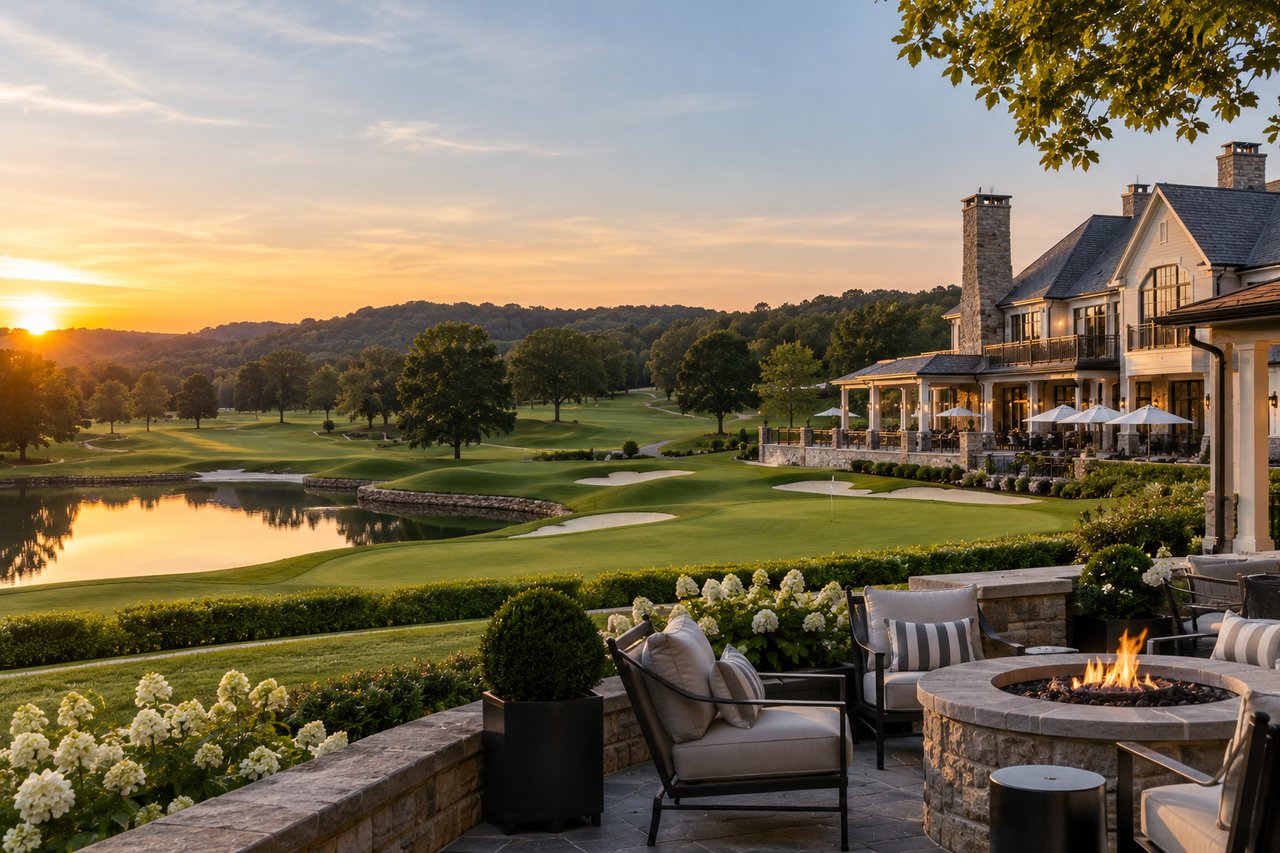
What each club offers, and how to think about joining one
Buyers
What Nashville and Knoxville sellers should know about the network behind their listing
Neighborhood
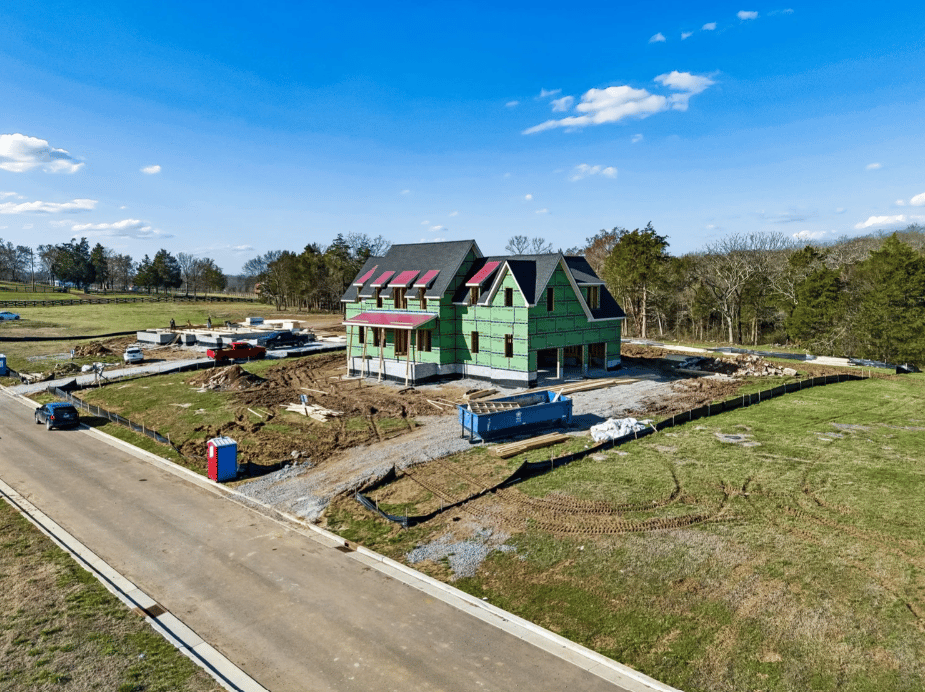
Where Middle Tennessee's builders are actually breaking ground right now
The client deserves the full service and attention that only a team of experts can consistently provide. Working with us, you will have the personal attention traditionally associated with the client-agent relationship improved by the professionalism and consistency of a thoughtful business model. And yes, superior results will follow!
MORRELL PROPERTY COLLECTIVE
(615) 593-3103
[email protected]
ADDRESS
3990 Hillsboro Pike, #320
Nashville, TN 37215