How Natural Materials Are Shaping Luxury Home Design
Morrell Property Collective September 3, 2026
Real Estate Market
Morrell Property Collective September 3, 2026
Real Estate Market
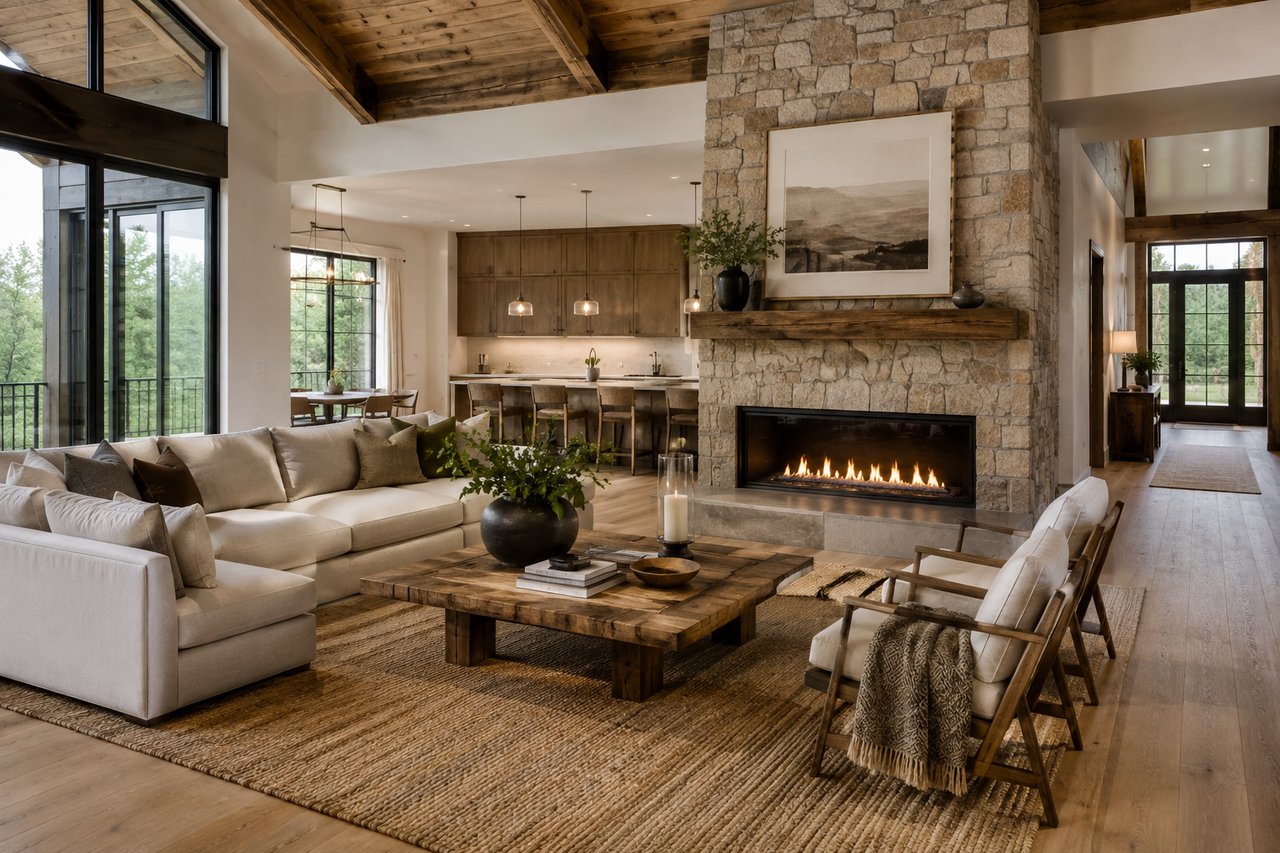
Walk into a newly finished luxury home right now and you'll notice fewer flat white surfaces and a lot more texture — honed stone, hand-applied plaster, wood left visibly imperfect. It's not just an aesthetic swing. It reflects a real shift in what luxury buyers value, and it's showing up in actual sale prices, not just design blogs.
This post breaks down what's driving the natural materials trend, which specific materials are commanding a premium, and what it means whether you're building, buying, or preparing to sell.
Key takeaways:
According to Houzz's 2026 Fall Trends Report, based on a survey of 50 design professionals, homeowners are moving away from bare, pristine interiors toward spaces that feel collected and lived-in over time. Handcrafted tile, artisan plaster, natural stone, and aged metals are all in high demand — materials with a visible sense of history rather than a factory-uniform finish. Notably, Houzz's designers say this runs counter to years of standard resale advice to keep finishes neutral and safe; today's luxury buyers are choosing distinctive, personal finishes instead, and the market is rewarding it.
The trend isn't just anecdotal. Zillow Research analyzed listing language across more than two million homes and found that specific natural materials carry a measurable sale premium: soapstone countertops added 3.5% to a home's sale price, outperforming quartz's 2.6%; white oak flooring added 3.2%; and Venetian plaster walls added 3.0%. A wet room — often finished in natural stone or tile — added 3.3%, more than five times the premium of a standard spa-inspired bathroom. Zillow describes this broader shift as "organic modernism": natural stone, wood flooring and cabinetry, and textured walls that buyers are actively competing for.
Part of what separates a natural-materials trend from a passing fad is that these finishes are designed to age, not just hold up. Designers describe this as patina — white oak floors deepen to a honey gold over time, full-grain leather softens, and unlacquered brass darkens and develops character rather than looking worn out. Natural stone, unlike engineered quartz, has variation and movement that can't be replicated, which is exactly why designers describe it as timeless rather than trendy. For a luxury buyer thinking in decades rather than seasons, that's a meaningfully different value proposition than a finish that simply needs replacing once it goes out of style.
Natural stone finishes and white oak flooring already appear regularly among the features Tennessee's luxury buyers are demanding, alongside floor-to-ceiling windows and custom architectural details. What's changing now is the depth of it — natural stone showing up in unexpected places like sinks, furniture, and lighting fixtures, not just countertops and floors, and plaster walls replacing painted drywall in statement rooms. For builders and sellers in Nashville and Knoxville's luxury tier, this is less a trend to chase and more a baseline buyers are starting to expect.
Organic modernism is a design style defined by natural stone, wood flooring and cabinetry, and textured walls like plaster, blending raw, tactile materials with clean modern lines. Zillow's research found the style has gone mainstream, with buyers actively competing for and paying more for homes that feature it.
Yes, according to Zillow Research: specific natural materials like soapstone countertops, white oak flooring, and Venetian plaster walls sold for 3% to 3.5% more than expected compared to homes without them, based on an analysis of more than two million listings.
Is Venetian plaster worth the cost in a luxury home? Based on Zillow's data, homes with Venetian plaster walls sold for about 3% more than expected, suggesting buyers do notice and value the finish, though the return will vary by market and execution quality.
What countertop material has the best resale value right now? Soapstone currently outperforms quartz in Zillow's data, adding a 3.5% sale premium compared to quartz's 2.6%, though both remain popular choices in luxury kitchens.
Are natural materials more expensive to maintain than manufactured ones? Often, yes — natural stone and unsealed wood typically need more careful maintenance than engineered quartz or laminate, but many buyers now see the resulting patina as a feature rather than a drawback.
Will this trend still matter in a few years? Designers frame natural materials as timeless rather than trend-driven specifically because they age rather than simply wear out, which is part of why the look has staying power beyond a single design cycle.
The move toward natural materials in luxury design isn't just an aesthetic preference — it's backed by real sale-price data and a clear shift in what today's buyers are willing to pay for. Whether you're building a custom home or preparing to sell, understanding which materials carry that premium, and why they last, is worth factoring into the decision.
If you're planning a renovation ahead of a sale, or want to know which finishes matter most in Nashville or Knoxville's luxury market right now, Morrell Property Collective can walk you through what's actually moving the needle. Call (615) 593-3103 to talk it through.
MPC Expertise
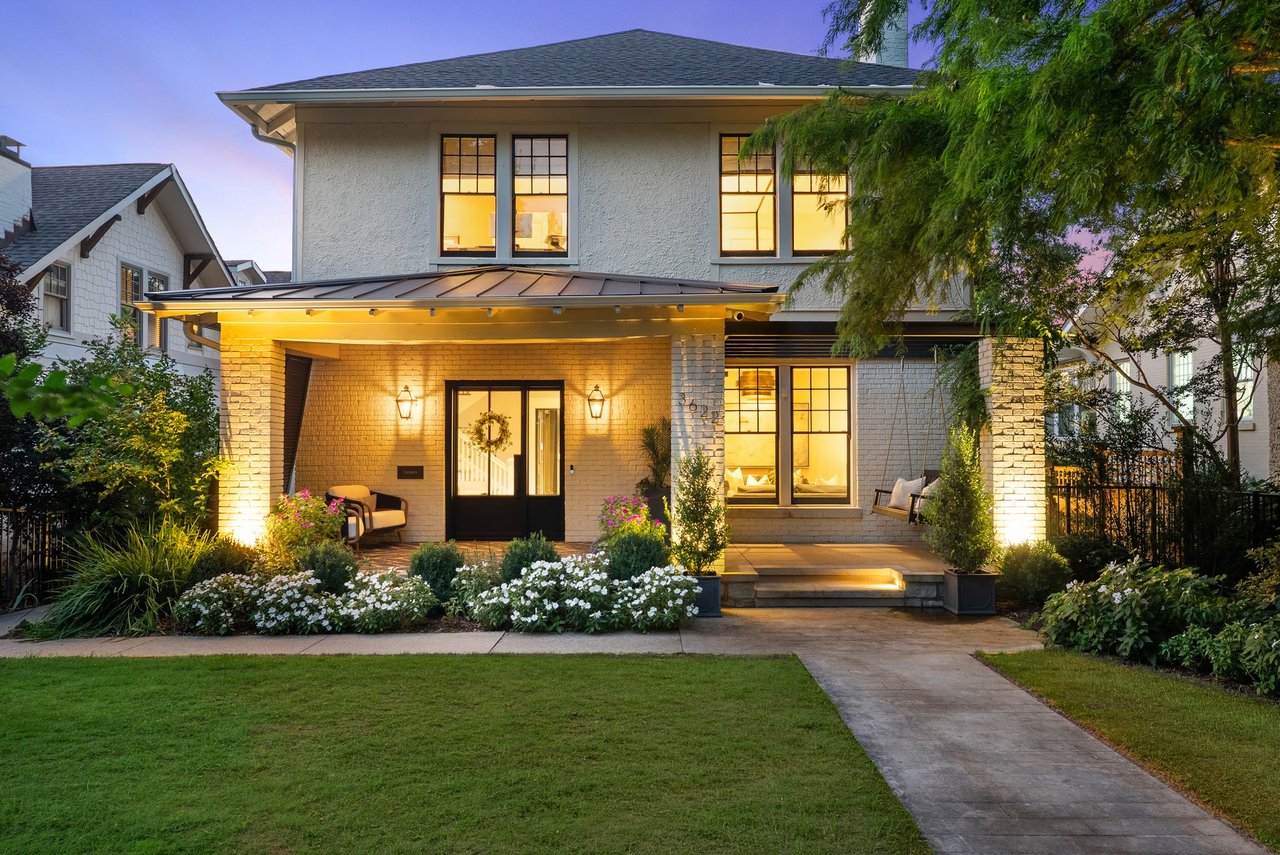
The story of 3622 Central Ave, and why the right network can open doors in Nashville luxury real estate

Real Estate Market
Mortgage rates are up a full point from last year, and high-end homes are taking longer to sell. Here’s what that means if you’re buying or selling in Nashville’s top … Read more
Neighborhood
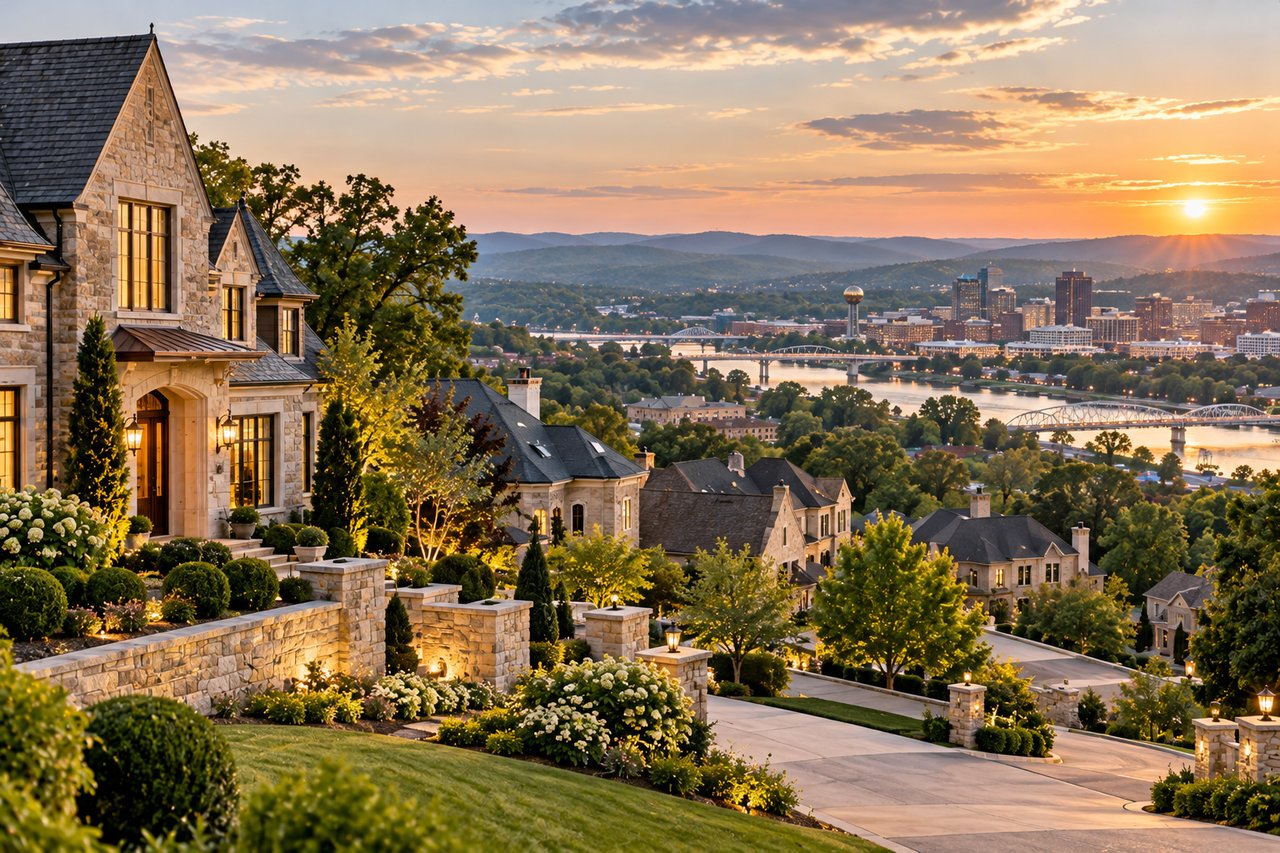
From 1920s estates along the Tennessee River to golf-club communities in West Knoxville and Farragut, here’s where Knoxville’s highest home values are found.
Neighborhood
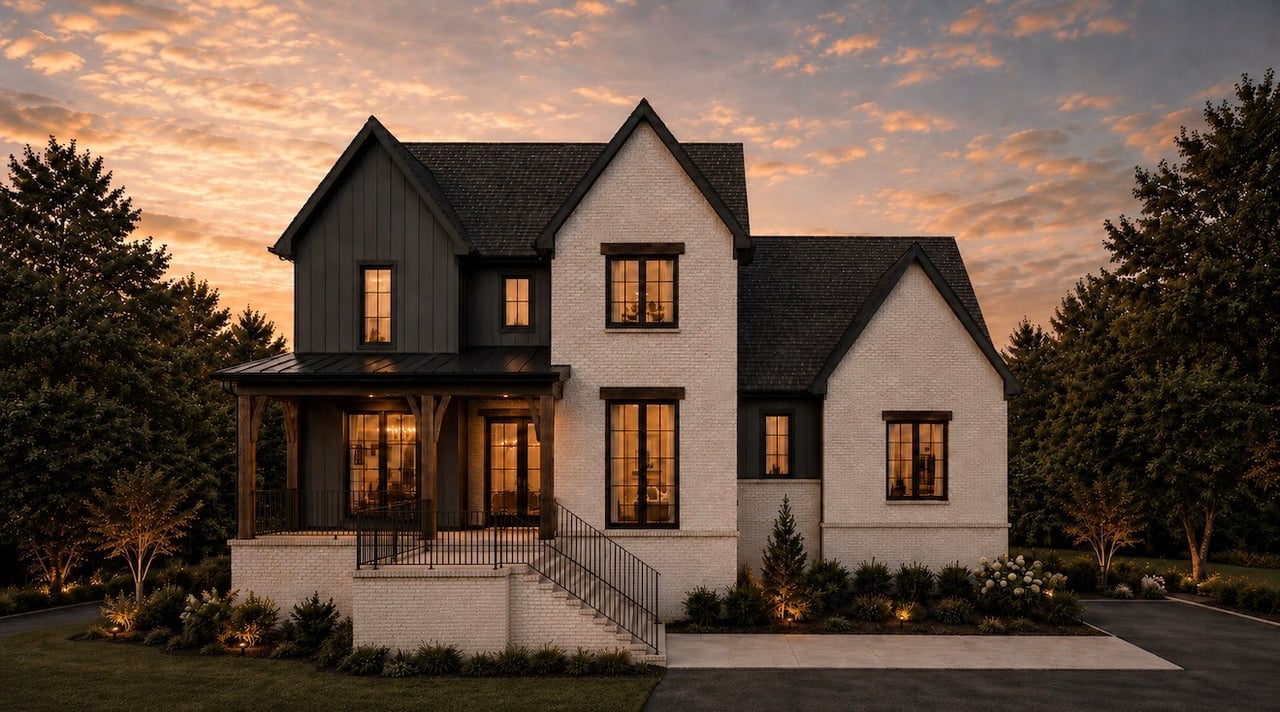
A boutique community of 52 homes on acre-plus homesites, with Phase 3 custom and market homes now available from Carbine & Associates.
Neighborhood
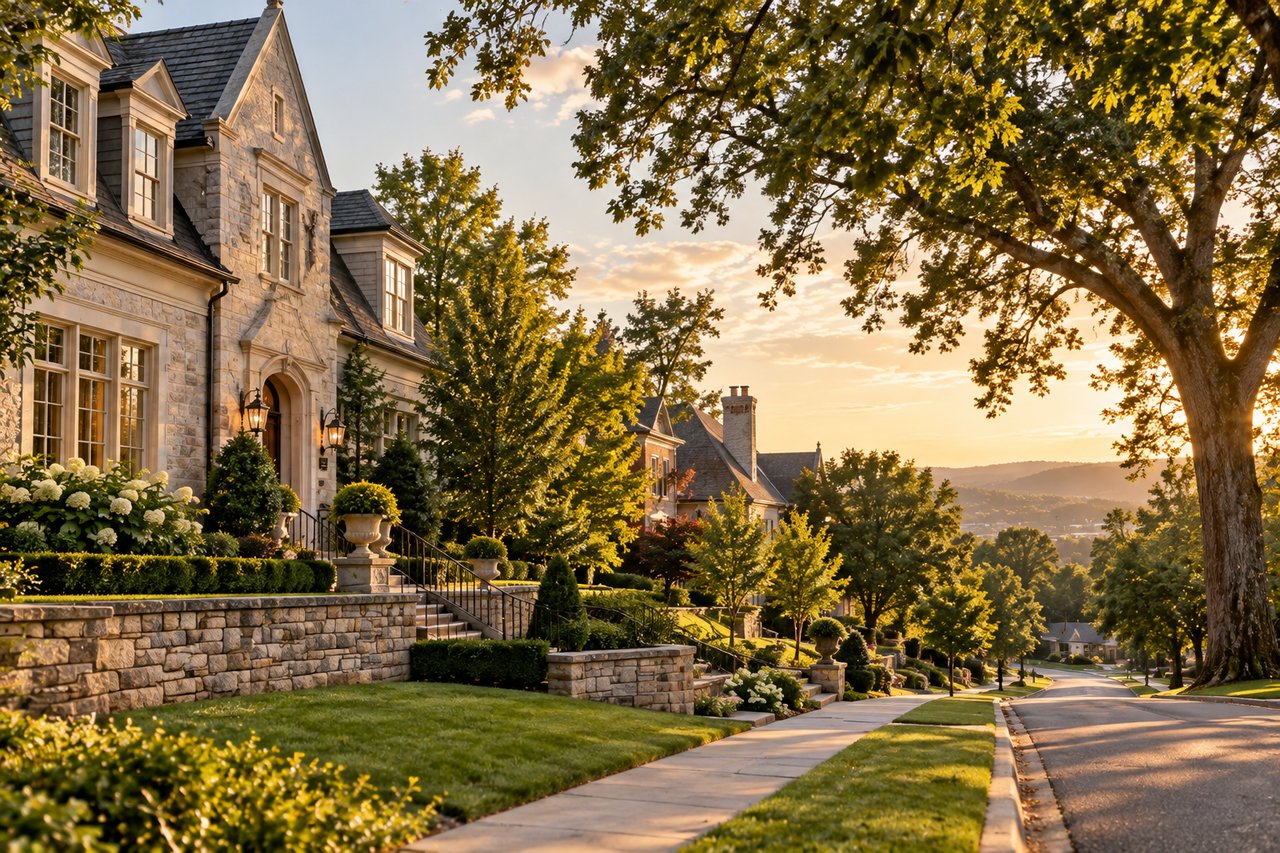
A 1920s neighborhood planned around privacy and mountain views, marked by its landmark water wheel, with typical home values above $1.5 million.
Featured Listing
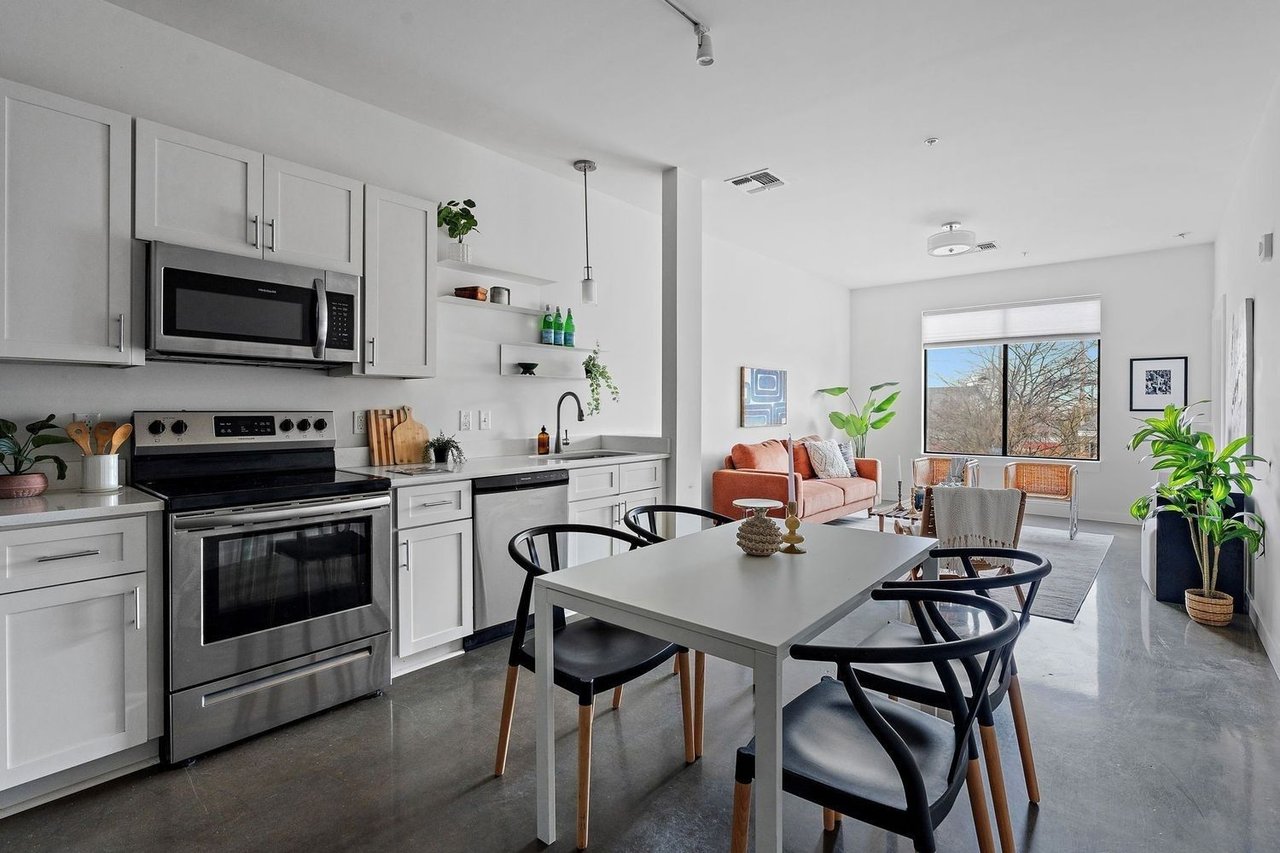
A bright, 2016-built one-bedroom near Belmont University, with garage parking and some of Nashville’s favorite restaurants and shops just outside the door.
Sellers
Days on market and public price cuts can cost sellers real money. Here’s how private sales try to avoid that, what the research shows, and the trade-offs to weigh.
Buyers
A practical checklist for Nashville-area buyers, covering the builder, contract, warranty, inspections, upgrades, and the true cost of ownership.

Real Estate Market
A clear look at the network, tools, and selling options Compass offers, and how to tell whether they matter for your home.
The client deserves the full service and attention that only a team of experts can consistently provide. Working with us, you will have the personal attention traditionally associated with the client-agent relationship improved by the professionalism and consistency of a thoughtful business model. And yes, superior results will follow!
MORRELL PROPERTY COLLECTIVE
(615) 593-3103
[email protected]
ADDRESS
3990 Hillsboro Pike, #320
Nashville, TN 37215