1031 Exchanges for Luxury Real Estate: What Sellers Need to Know
Morrell Property Collective September 2, 2026
Sellers

Morrell Property Collective September 2, 2026
Sellers
At luxury price points, capital gains tax on an investment property sale isn't a rounding error — it can run into six or seven figures. A 1031 exchange is the tool most owners reach for to defer that bill, but it comes with rules the IRS doesn't bend: strict deadlines, a narrow definition of what qualifies, and a process that has to be set up before the sale closes, not after.
This post covers what a 1031 exchange actually does, what qualifies as like-kind property, the two deadlines that make or break an exchange, and a passive alternative worth knowing about if you're tired of being a landlord.
Key takeaways:
Named for Section 1031 of the tax code, a like-kind exchange lets an owner sell real property held for investment or business use and defer the capital gains tax — and any depreciation recapture — by reinvesting the proceeds into another qualifying property. The tax isn't eliminated, it's deferred, and many investors continue exchanging property after property over years or decades rather than ever triggering the gain.
The IRS's definition of "like-kind" is broader than most people expect: real property is generally like-kind to any other real property, so a rental condo can exchange into raw land, or an apartment building into a commercial property. What doesn't qualify is more important to get right. Since 2018, only real property qualifies — personal property like art, vehicles, or equipment no longer does. A primary residence doesn't qualify, and neither does property held primarily for resale, such as a house flip. And a domestic property can't be exchanged for one located outside the U.S.
Two deadlines run from the day the original property sells, and the IRS does not grant exceptions for missing either one. Within 45 days, you must identify potential replacement properties in writing. Within 180 days — or the due date of your tax return including extensions, whichever comes first — you must close on the replacement. Because the timeline is this tight, the exchange has to be structured before the original sale closes, using a qualified intermediary who holds the proceeds so you never take direct possession of the sale funds. Missing either deadline collapses the exchange, and the deferred gain becomes taxable in the year of the original sale.
A second home in the Smokies or a lake house doesn't automatically qualify for a 1031 exchange, since personal-use property is excluded by default. But the IRS created a safe harbor under Revenue Procedure 2008-16: a vacation home can qualify if, in each of the two years before and after the exchange, it's rented at fair market rent for at least 14 days, and personal use is limited to the greater of 14 days or 10% of the days it's rented. For owners of Gatlinburg or Pigeon Forge cabins and lake properties who treat them as genuine rental income properties rather than personal getaways, this is often the difference between qualifying and not.
Not every seller wants to trade one management headache for another. Under IRS Revenue Ruling 2004-86, an interest in a Delaware Statutory Trust — a structure that holds institutional-grade real estate on behalf of multiple investors — qualifies as like-kind replacement property. That means an owner can exchange out of an actively managed rental and into a fractional, professionally managed interest in commercial or multifamily real estate, trading hands-on landlording for passive income while still deferring the gain.
A 1031 exchange is a tax provision that lets an owner defer capital gains tax on the sale of investment or business real property by reinvesting the proceeds into another qualifying property, using a qualified intermediary and meeting strict IRS deadlines.
You have 45 days from the sale of the original property to identify replacement property in writing, and 180 days total to close on it — both deadlines are fixed by the IRS with no extensions for missing them.
Can I 1031 exchange my primary residence? No. A primary residence doesn't qualify for a 1031 exchange, though a different tax provision — the Section 121 home sale exclusion — may apply instead.
Do I need a qualified intermediary? Yes. The exchange must be structured through a qualified intermediary who holds the sale proceeds; taking direct possession of the funds, even briefly, disqualifies the exchange.
Can I 1031 exchange into a property of lesser value? You can, but any difference in value or debt reduction, called "boot," is typically taxable, so most investors exchange into equal or greater value to defer the full gain.
Is a 1031 exchange worth it for a smaller gain? It depends on the intermediary and closing costs involved relative to the gain being deferred — a conversation worth having with a CPA before listing.
A 1031 exchange can defer a substantial tax bill on a luxury investment property, but it rewards preparation and punishes improvisation — the deadlines are fixed, the qualifying rules are specific, and the structure has to be set up in advance. This post is general information, not tax or legal advice; every exchange should be reviewed with a CPA and a qualified intermediary before you sell.
If you're considering a 1031 exchange on a Nashville or Knoxville investment property, Morrell Property Collective can help you find qualifying replacement property and coordinate with your tax team on timing. Call (615) 593-3103 to talk it through.

MPC Expertise
The story of 3622 Central Ave, and why the right network can open doors in Nashville luxury real estate

Real Estate Market
Mortgage rates are up a full point from last year, and high-end homes are taking longer to sell. Here’s what that means if you’re buying or selling in Nashville’s top … Read more

Neighborhood
From 1920s estates along the Tennessee River to golf-club communities in West Knoxville and Farragut, here’s where Knoxville’s highest home values are found.

Neighborhood
A boutique community of 52 homes on acre-plus homesites, with Phase 3 custom and market homes now available from Carbine & Associates.

Neighborhood
A 1920s neighborhood planned around privacy and mountain views, marked by its landmark water wheel, with typical home values above $1.5 million.
Featured Listing
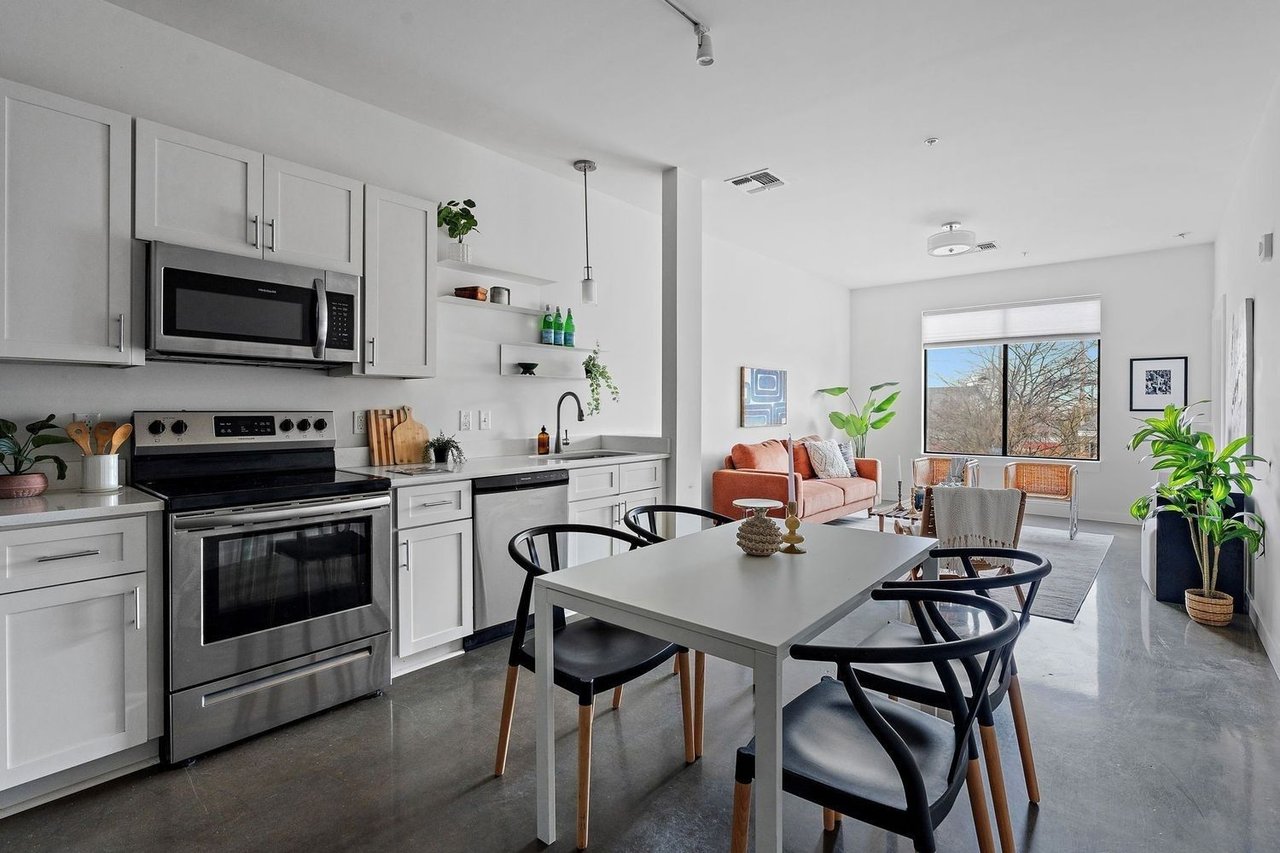
A bright, 2016-built one-bedroom near Belmont University, with garage parking and some of Nashville’s favorite restaurants and shops just outside the door.

Sellers
Days on market and public price cuts can cost sellers real money. Here’s how private sales try to avoid that, what the research shows, and the trade-offs to weigh.

Buyers
A practical checklist for Nashville-area buyers, covering the builder, contract, warranty, inspections, upgrades, and the true cost of ownership.

Real Estate Market
A clear look at the network, tools, and selling options Compass offers, and how to tell whether they matter for your home.
The client deserves the full service and attention that only a team of experts can consistently provide. Working with us, you will have the personal attention traditionally associated with the client-agent relationship improved by the professionalism and consistency of a thoughtful business model. And yes, superior results will follow!
MORRELL PROPERTY COLLECTIVE
(615) 593-3103
[email protected]
ADDRESS
3990 Hillsboro Pike, #320
Nashville, TN 37215